


Southbroom sits on South Africa’s subtropical east coast, where the sea folds into a wide sweep of golden sand. The coastline here is known for its remarkable biodiversity and rich marine life. Estuaries spill into calm shallows, rocky outcrops break the waves into ribbons of white, and the dunes rise behind it all like a soft, wind-shaped wall. Southbroom lies at the heart of one of its most beloved stretches — a meeting place of warm Indian Ocean currents, soft gold sand, and lush coastal vegetation.
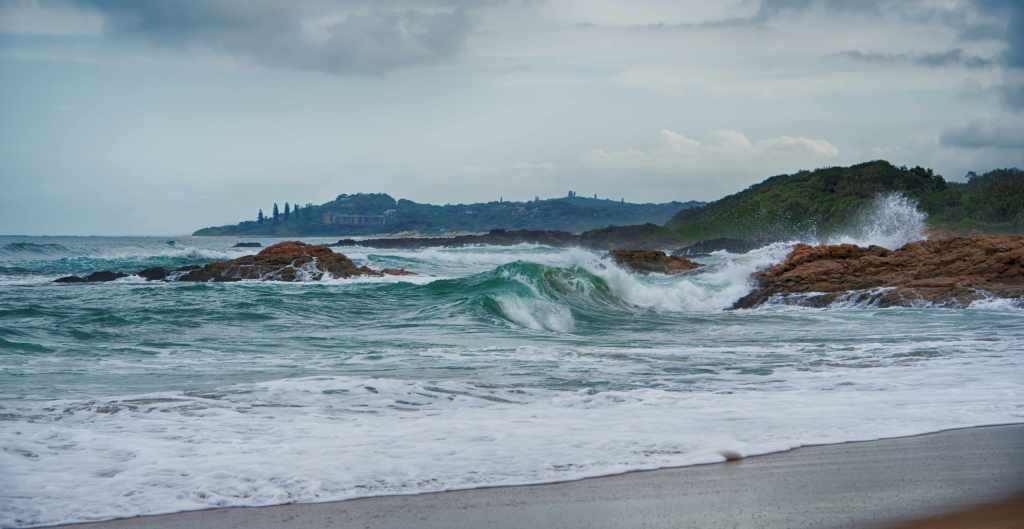
Here, the shoreline is never just one thing. It is a ribbon of beaches linked by rocky points, tidal pools, and the slow breath of lagoons that open and close with the seasons. From the mouth of the Umkobi Lagoon to the sheltered coves toward Trafalgar, the landscape changes with each tide. The sea is warm enough to swim year-round, its waters carrying the tropical fingerprints of distant currents, and the air smells of salt and hibiscus.

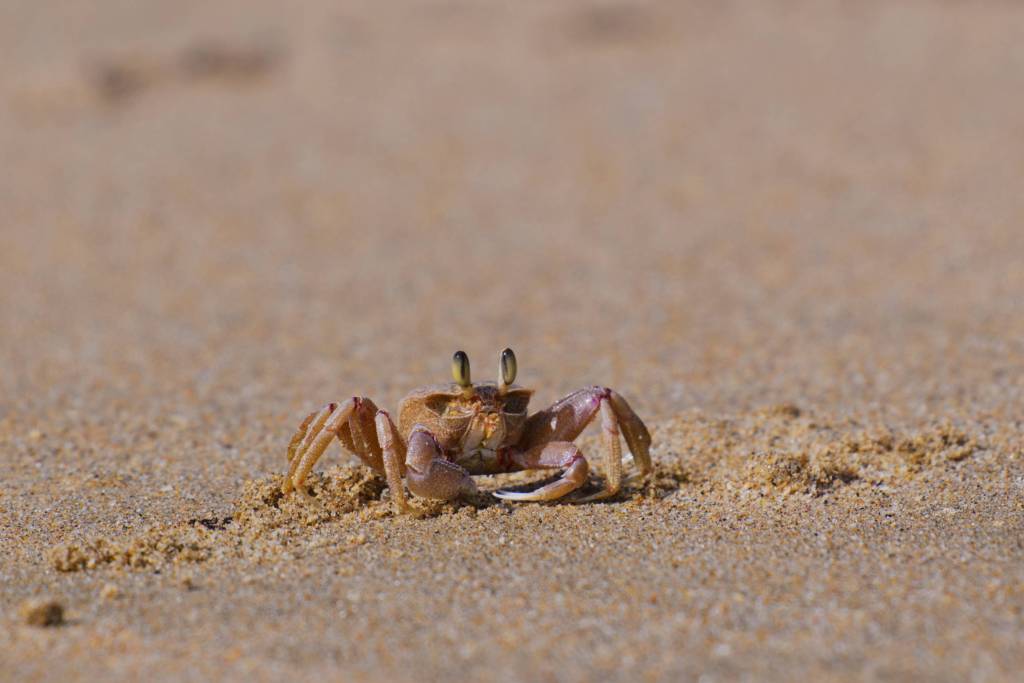
The shoreline is its own city—built and dismantled twice daily. Sandpipers write fast cursive at the waterline, delicate script that disappears beneath the next small wave. Ghost crabs excavate neat burrows, standing beside small pyramids of sand spoil, ready to vanish with a sideways sprint. The rock pools, dark and still at first light, reveal their residents as the sun climbs — small fish flickering between shadows, anemones opening like slow-blooming flowers.

Southbroom is not a coastline to be consumed in a single glance. It is a place that rewards repetition — walking the same stretch in morning mist, then again under the blaze of midday sun, and again when the tide has pulled far back, exposing a wide terrace of wet sand. Each visit reveals something different: the tracks of an otter along the riverbank, the dark flicker of dolphins in the surf, or the flash of a kingfisher arrowing into the shallows.

Storms on this stretch of coast often arrive with little ceremony. The morning might be calm, the sea a glassy expanse, the wind a light caress from the north. Then, almost imperceptibly, the mood changes. A wind shift carries the scent of rain and a metallic weight in the air. The line of the horizon blurs. Waves begin to heave, each one building upon the last.
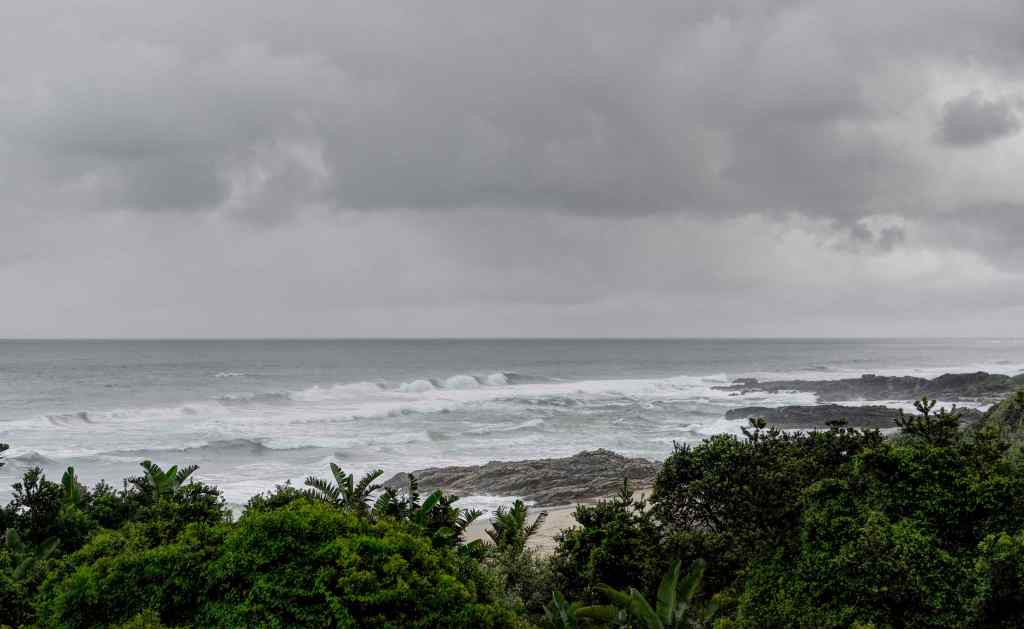
For a time, it feels as if the ocean is reclaiming the shore. But as the storm passes, the air clears, and the sun — sharp and white — burns through the thinning clouds. The sea recedes, leaving behind sculpted drifts of sand, strange treasures from the deep, and a sense that the coastline has been rearranged, subtly but surely, by another of nature’s passing hands.
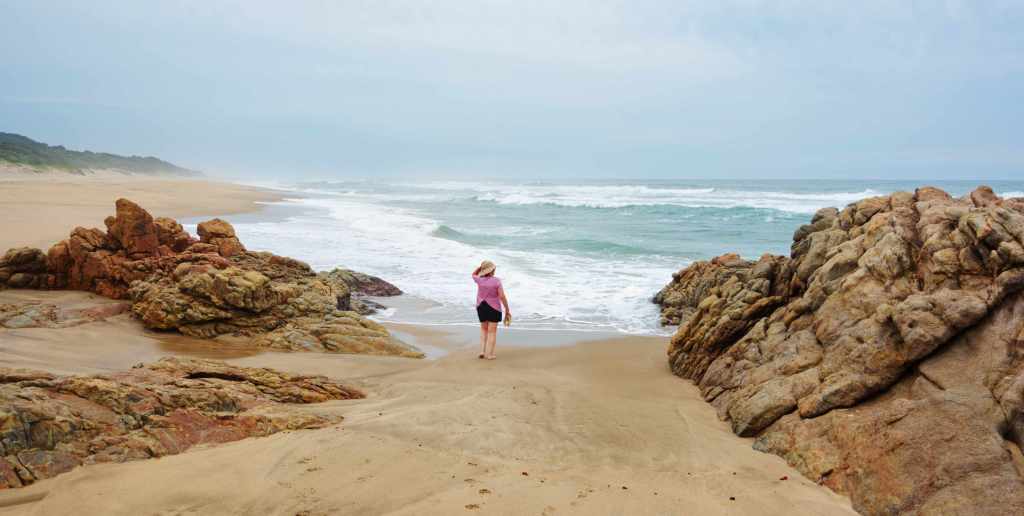

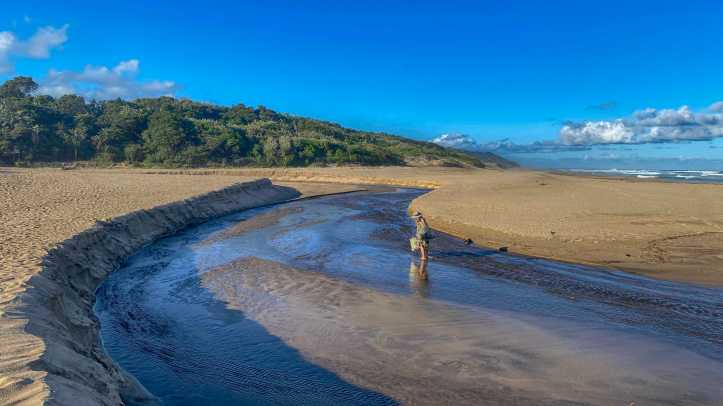
During the rainy season, the beach waits in a kind of expectant stillness, knowing the rhythm will soon change.Before the heavy rains, the beach lies in a quieter state, its patterns set by days of calm tides. Thin, silver threads of freshwater snake across the sand from the inland pools and seeps, finding their own winding way toward the sea. They cut shallow channels across the sand, their surfaces rippled by the lightest breeze. The sound is barely more than a whisper — a soft trickle — a delicate reminder of the greater waters waiting to come.
When the rains upriver are heavy, the change comes fast. The calm brown ribbon of the Umkobi Lagoon swells, pressing against its sandy mouth until it breaks through with force. Those once-small threads of water that trickled gently to the sea suddenly deepen and widen, tearing broad swaths through the sand as they rush to join the flood. The floodwater spills into the sea in a churning plume, carving new channels and staining the turquoise shallows with silt.
By the next day, the beach wears the scars of the storm — deep, uneven channels cut through the sand, some wide enough for a person to stand in, others snaking away like miniature canyons toward the ocean. These trenches reshape the shoreline until the tides and wind slowly smooth them away.
Driftwood, palm fronds, reeds, and, regrettably, the discarded remains of human life — plastic bottles, fragments of polystyrene, stray flip-flops — sweep past in a hurried migration to the ocean. Some of it is claimed by the waves, but much remains behind, scattered along the beach. Tangled clusters of seaweed snare an astonishing variety of debris: battered buckets and tiny toy pails, shredded plastic packaging, faded scraps of fabric, drink cans dented and dulled by the river’s journey, and shoes long parted from their owners. Here and there, bits of clothing lie half-buried, their colors muted by salt and sun, mingling with bottle caps, torn bags, and nameless fragments of litter. It is a raw, unfiltered catalogue of human presence, each item a reminder that the floods carry not just the water’s wild energy, but also the careless traces of those who live far beyond the tide.
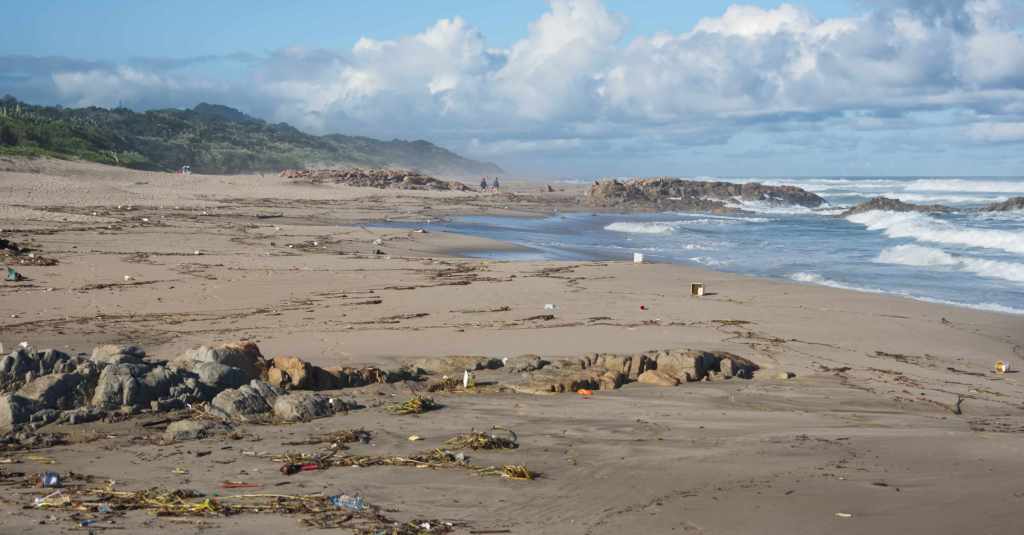
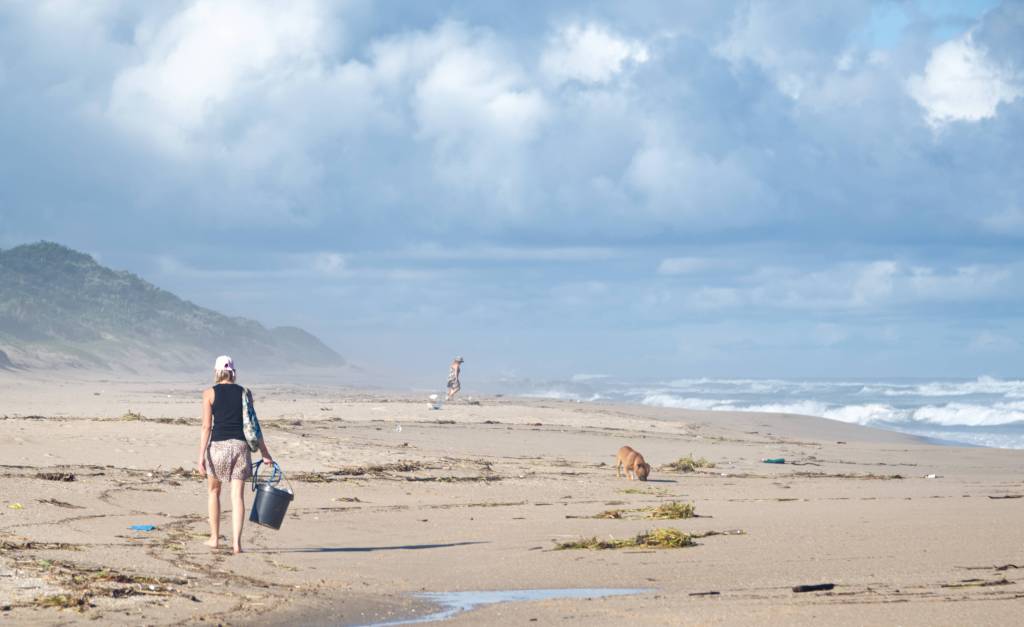
The residents of Southbroom know the rhythm of their coastline well. After every heavy rainfall or flood, there’s no need for announcements — people simply appear. Armed with gloves, bags, and sometimes just bare hands, they walk the length of the beach, gathering whatever the river has thrown onto the sand. They work with quiet efficiency, knowing the sea will soon reclaim the shore. A couple of days, maybe less, is all they have before the tides sweep it all away. It’s a race against the ocean, but also a small act of stewardship, a way of returning the beach to itself before the next storm writes a new chapter in its shifting sands.
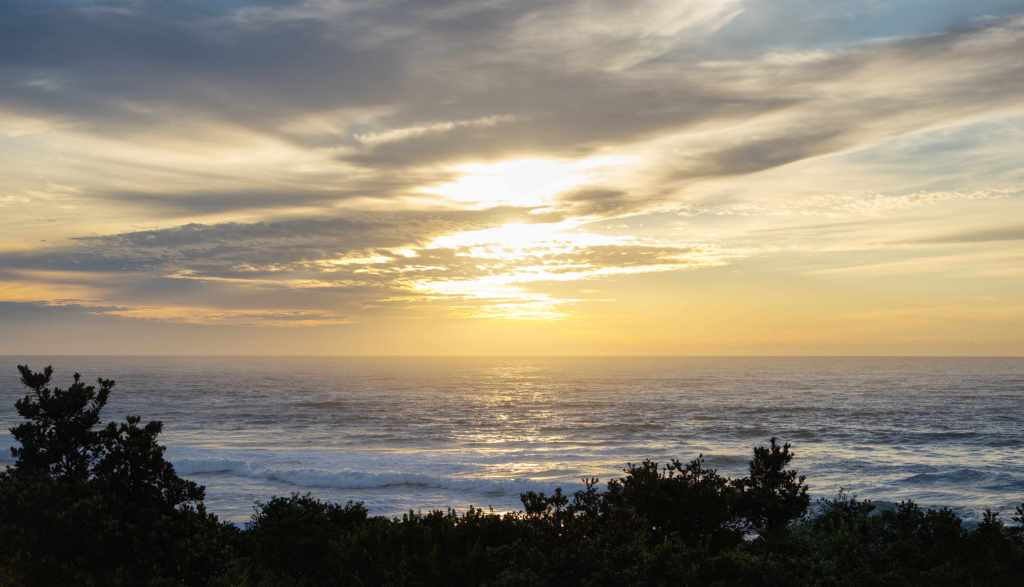
The rhythm here is tidal, seasonal, and written by weather. Summer brings its fullness — seabirds tucked into nests along the dunes, coastal plants flaring into bloom, and the slow, warm breathing of the Indian Ocean against the sand. Winter sharpens the light and draws the coastline in tighter, laying bare the curves and contours hidden in softer months. Between them, storms and floods leave their marks — carving channels through the beaches, changing the shape of lagoons, and shifting the sands in ways only nature decides. Those who live here know these changes as part of the cycle, just as they know the calm days will return. Southbroom is never the same twice, and that is its quiet promise — that the beauty lies not in permanence, but in the constant, graceful reshaping of this seam between land and sea.
 The Footstep Chronicles
Leave a comment