

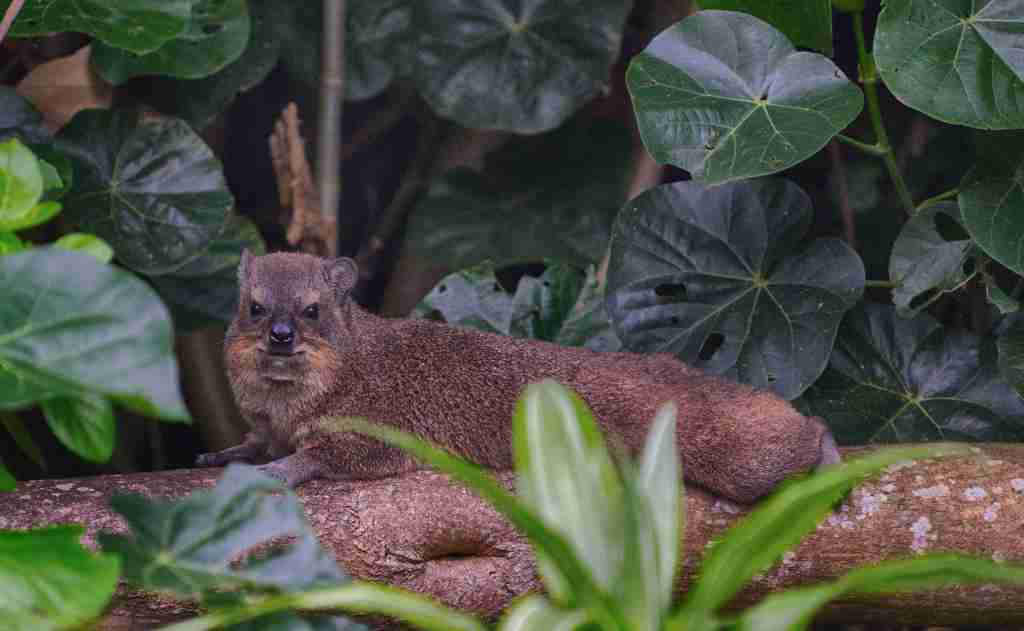
When the sun pushes its warmth against stone, and the cliffs or granite outcrops shimmer in the rising heat, small shapes often appear as if conjured from the rocks themselves. The rock hyrax — known in South Africa by its Afrikaans name, the dassie — is not a creature that dominates its landscape with size or power. Instead, it belongs to the places where shadow and stone meet, where survival is a matter of caution, companionship, and the ability to vanish in a blink into the safety of a crevice.
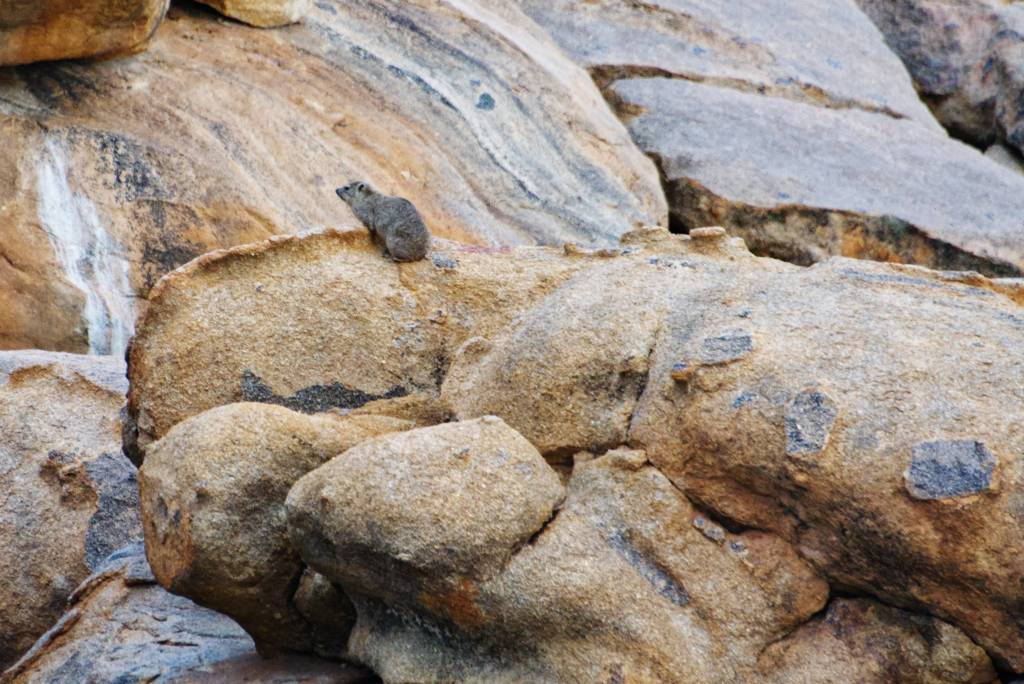
Though often overlooked by travelers in search of larger, more dramatic animals, the dassie has its own place in the rhythm of southern Africa’s wild spaces. From the granite domes of Namibia to the green coastal hills near Durban, from city parks in Cape Town to sandy plains where thornbush grows sparse, these animals are both ordinary and remarkable.
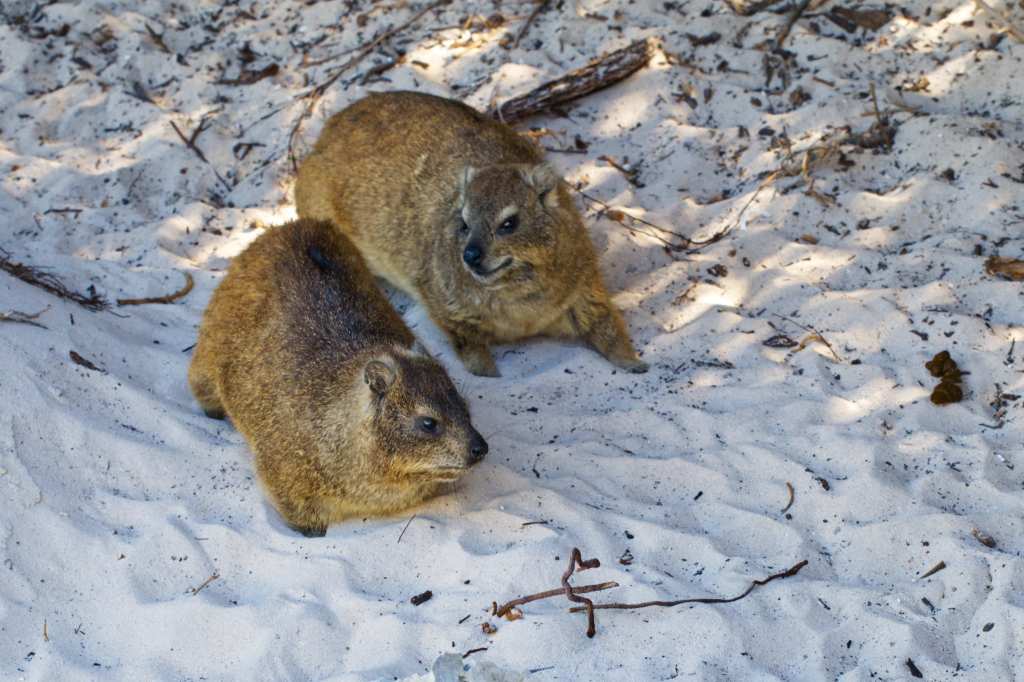
Across southern Africa, the rock hyrax is known by different names, each reflecting a thread of cultural history. The English name “rock hyrax” describes both its habitat and its family line — though, curiously, it is more closely related to elephants and manatees than to rodents, despite its rodent-like appearance.
In Afrikaans, the word “dassie” (meaning little badger) has become so common that even English speakers in South Africa often use it without thinking. In Swahili it is known as “pimbi.” Older texts may refer to it as a coney, a name carried down from biblical translations. Each name carries the mark of people observing the same small creature, adapting its presence into their language and their lives.
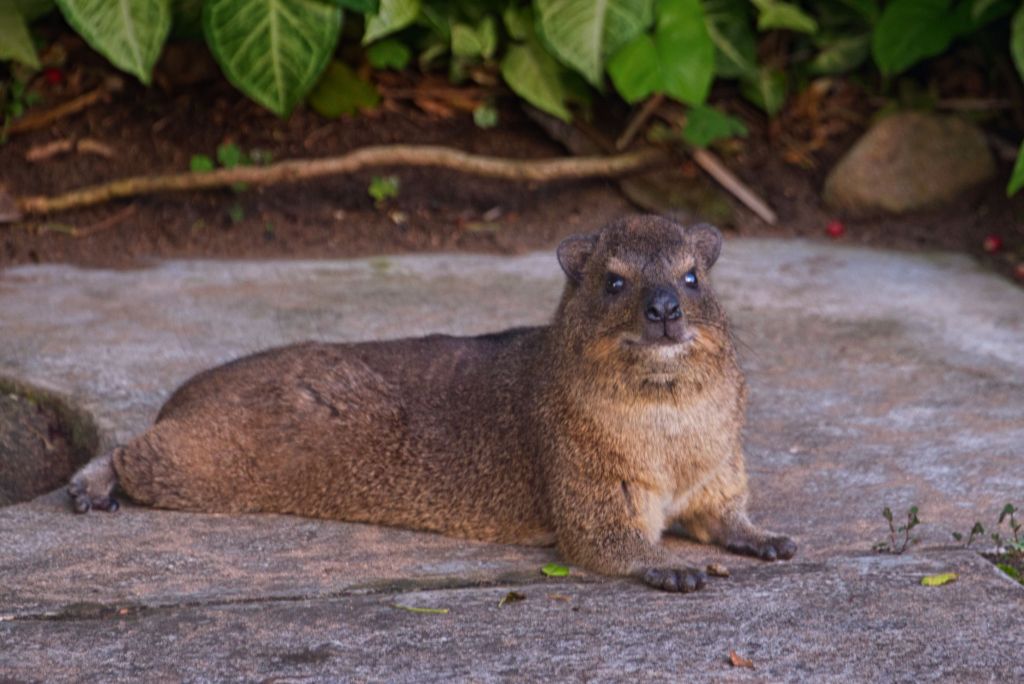
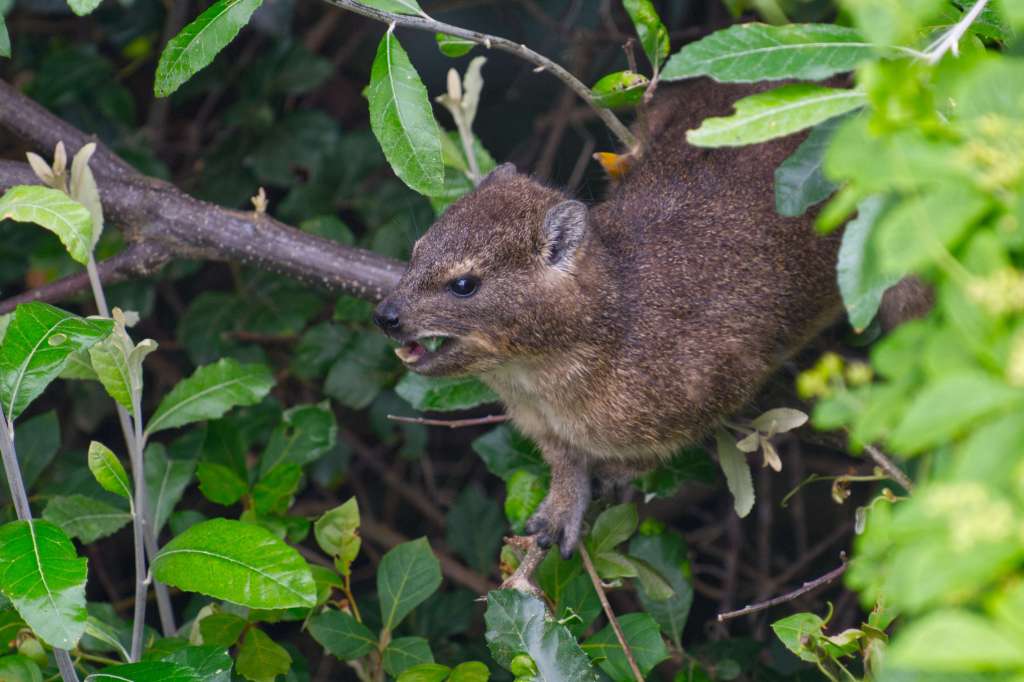
At first glance, the dassie looks almost comical — a rounded body, short ears, no tail, and the kind of beady eyes that might remind you of a guinea pig grown oversized. They weigh only a few kilograms, their fur shifting between shades of brown and gray. Yet a closer look reveals the details that set them apart: the sharp claws meant for gripping not just rocks but also bark, the small tusk-like incisors that betray their unlikely kinship with elephants, and the padded feet that let them scramble up cliffs or climb into trees with surprising ease.
But the dassie is more than its appearance. These animals live at the mercy of the elements, their bodies poor at regulating temperature, which makes sunlight essential. In the cool of morning or the drop of evening, they huddle close, pressed together against the chill. When the sun breaks through, they spill out onto stone or sand, lying still and open to the warmth, waiting for the day to begin. In that moment — silent and motionless against the earth — they seem less like animals and more like small keepers of the rocks themselves.
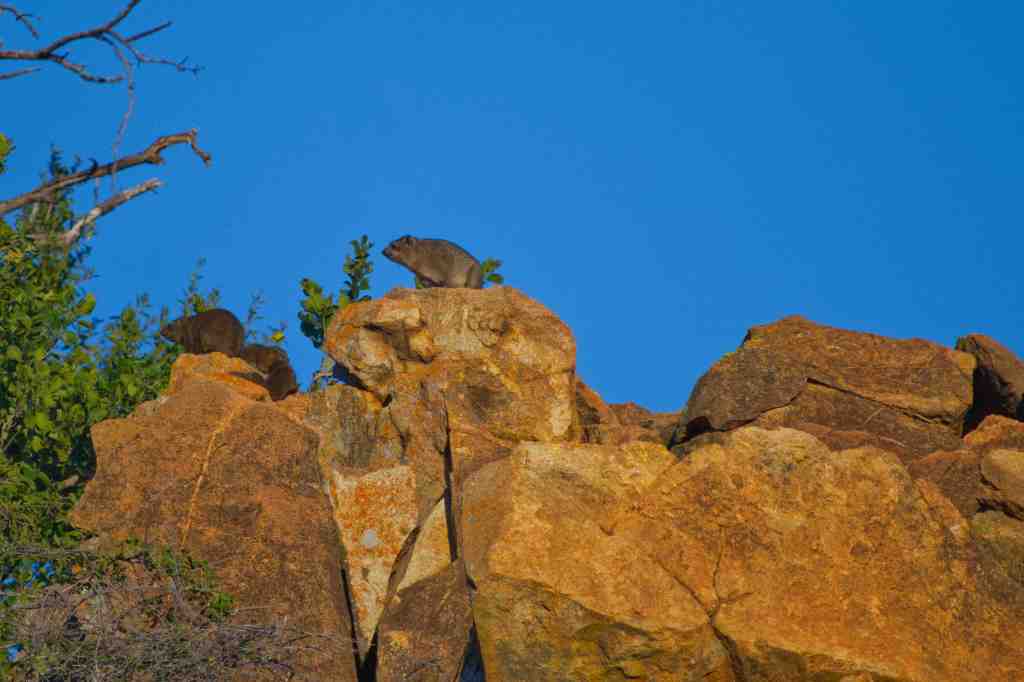
Dassies are primarily herbivores, and their diet shifts depending on the environment. Grasses form the bulk of their meals in open savanna, while shrubs, succulents, and herbs sustain them in drier regions. In coastal or woodland areas, they also browse on leaves and shoots of trees, sometimes climbing to reach fresh growth.
They are selective feeders, using their sharp incisors to snip off tender shoots. In times of scarcity, they can survive on tough leaves or bark, their multi-chambered stomachs adapted to extract nutrients from fibrous plant matter. This digestive system, reminiscent of a ruminant’s, allows them to make the most of the lean habitats where they live.
The dassie, or Dodaci in some old South African tales, is cast not merely as a resident of rock and grass, but as a sly trickster, half-hidden and ever-surprising. One folk story speaks of a tail-giving ceremony called by the Lion king, where every creature would be granted a tail—except the lazy dassie, who shuffled back to the sun-warmed rocks and asked someone else to fetch his for him. The others chose their gifts at the great gathering, but by the time the Torchbearer reached the same spot, the dassie had vanished—leaving only an empty chair and a sly grin. To this day, it is said that his tail belongs to someone else, but Dodaci is rarely in need—too clever to believe he’s missing anything. It is this spirit of cunning, of slipping in and out of favor with a smile, that makes the dassie not just a little rock-dweller, but a keeper of stories in stone and shadow.
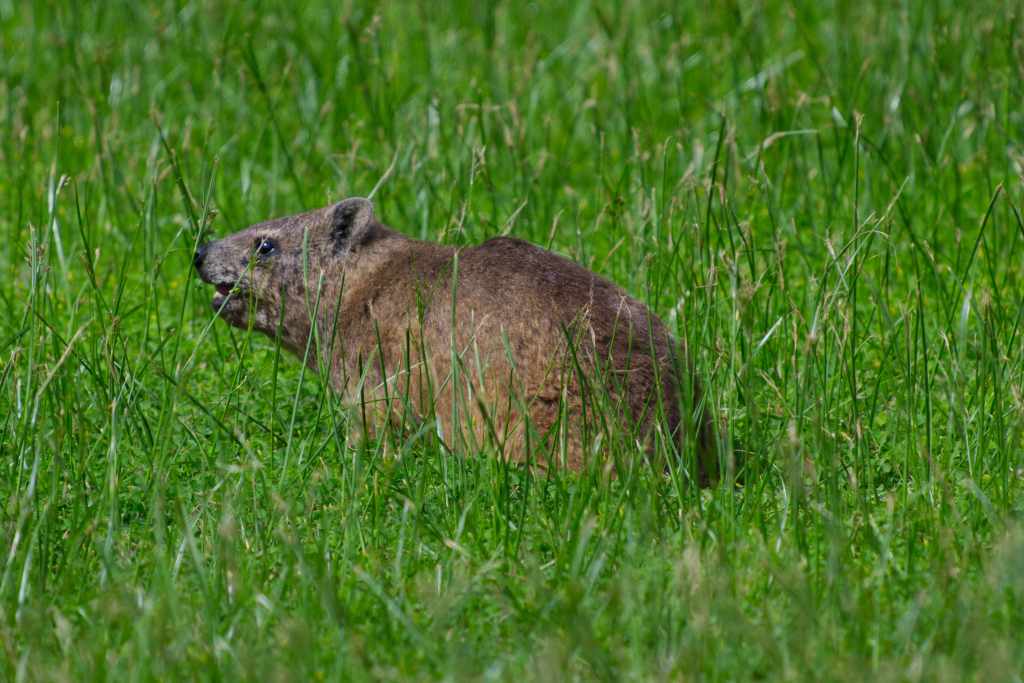
To walk through southern Africa’s landscapes is to walk through dassie country. You may not always see them, but their calls carry in the air, their movement flickers at the edge of vision, and their sun-warmed silhouettes dot the stone, the sand, or the branches.
They are not lions or elephants, not creatures that dominate postcards or safari dreams. But they are part of the fabric of the land, keepers of the rocks and the thickets, small guardians of the spaces between shadow and sun. And in their persistence, they remind us that the wilderness is not only measured in grandeur, but also in the quiet lives that unfold every day across Africa’s stones, trees, and sands.
 The Footstep Chronicles
Leave a comment