


There are few places in the world where the air itself feels seasoned, where every breath carries a new flavor, where walking down a street is like opening a hundred jars at once. In Marrakesh, the spice markets, or souks, are such a place. They are not just stalls selling powders and herbs but a living theater of scent and color. Wandering through them is not just shopping; it’s an unfolding chronicle of history, trade, and tradition told through heaps of saffron threads, pyramids of turmeric, and the lingering smoke of dried herbs. Step into these alleys, and the spices take over.
The journey begins before you even see them. Somewhere between the leather workshops and the textile stalls, a shift happens. The air thickens, warm and sweet, then suddenly sharp and earthy. Cinnamon finds you first, its fragrance round and comforting, like baked pastries remembered from childhood. Then cumin cuts in, bold and nutty, grounding you in something ancient and essential.
With each step the notes change. Ginger pricks the nose. Paprika smolders faintly in the back of the throat. Cloves bring a heady sweetness, almost medicinal. And just when the air feels too dense, mint breezes through, crisp and refreshing. The scents weave together so seamlessly that you find yourself led not by sight or sound, but by your nose.

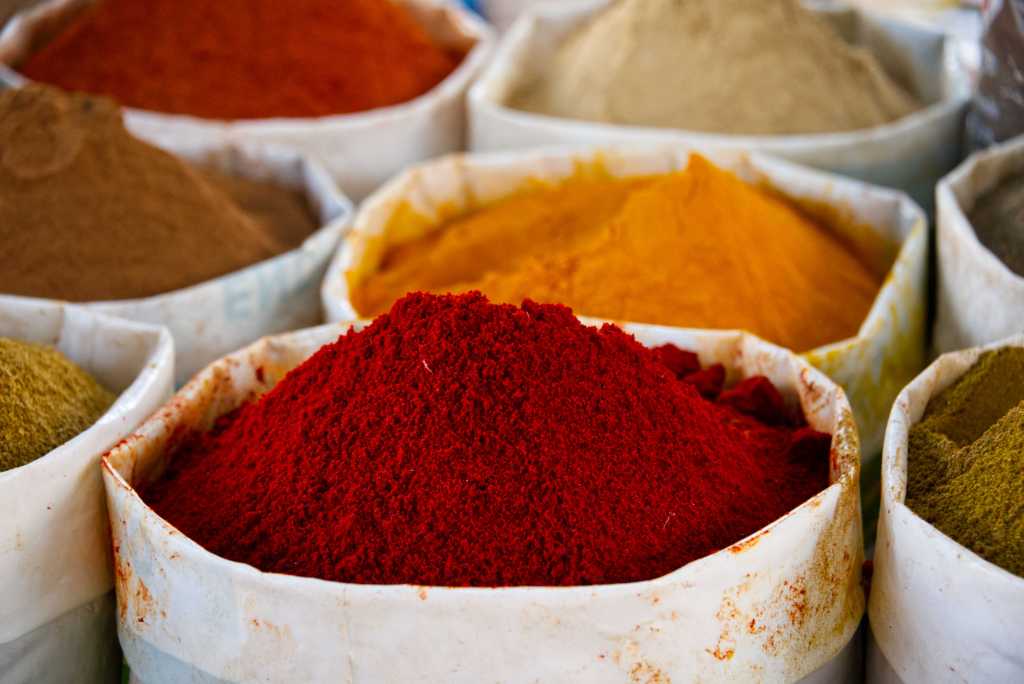
Turn a corner, and the market reveals itself fully. Spices rise in pyramids—perfectly sculpted cones balanced with impossible precision. Turmeric glows as though the sun itself has been ground down into powder. Next to it, paprika burns in shades of crimson and rust. Black peppercorns spill like marbles across a tray.
The sheer variety stuns the eye. Sacks overflow with star anise shaped like tiny carved flowers, nutmeg dark and round, cardamom pods pale green and delicate. Bay leaves are stacked like fans, cinnamon piled like small pieces of wood, saffron folded carefully into small glass jars that glint like treasure. The market is a palette, the vendors painters, and the air the canvas on which all these colors mix.

It is easy to forget, in the midst of so much abundance, that spices were once as precious as gold. Marrakesh’s position made it a key stop on the trade routes that stretched from India and Persia to Europe and across the Sahara. Caravans carried salt and gold, but also the fragrant cargo of pepper, cinnamon, and saffron.
These markets are not a modern invention; they are the living descendants of centuries of exchange. Every heap of cumin tells a story of trade caravans moving across deserts. Every thread of saffron whispers of fields in the Atlas Mountains, harvested by hand in the first light of dawn.
Walking through the souks, you are not just moving through a market—you are moving through history, where the weight of centuries is measured not in coins but in ounces of spice.

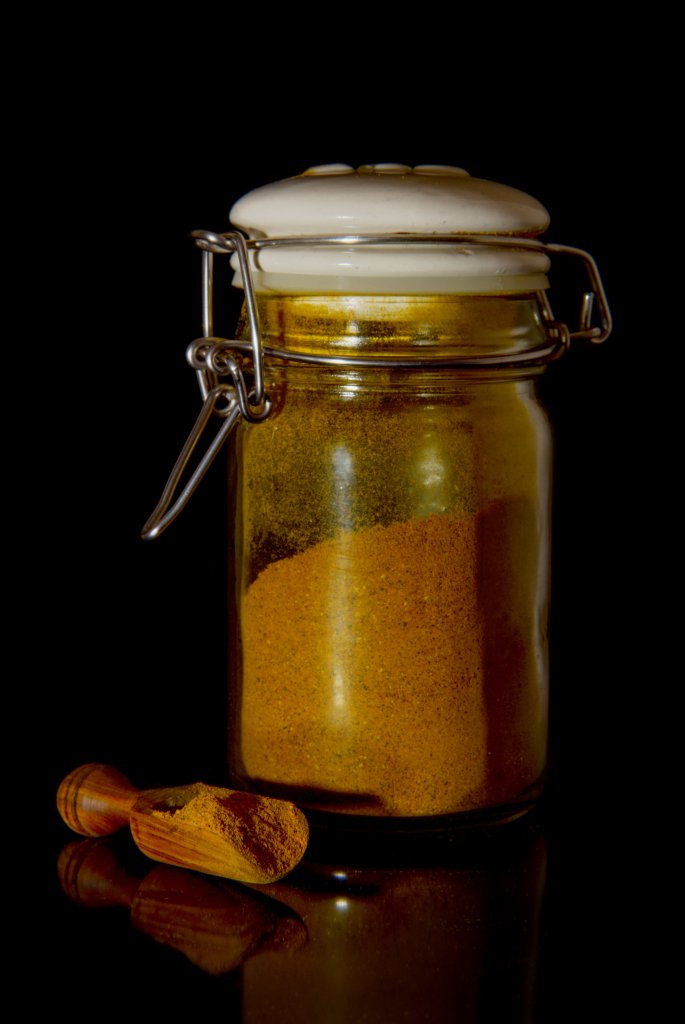
Among the stalls, one blend rises above all others: ras el hanout. The name means “head of the shop,” implying that it is the best a merchant can offer. No two recipes are alike. One vendor may include twenty ingredients, another thirty-five. Cinnamon, ginger, turmeric, cumin, cardamom, cloves, nutmeg, mace, dried rosebuds, black pepper, chili, coriander—the list goes on, each stall layering its own balance of heat, sweetness, and perfume.
Vendors speak of ras el hanout with pride, lowering their voices as they tell you about the particular recipe passed down from a grandfather or an uncle. To buy it is not simply to purchase spice; it is to receive a piece of a family’s culinary heritage, a blend designed to flavor tagines and couscous but also to anchor memory.
To walk through the spice market is to experience aroma as choreography. One stall draws you in with the deep musk of cumin. Another startles you with the sharpness of chili. A third offers the delicate whisper of dried lavender. The transitions are constant, and your senses must keep pace.
Sometimes the aromas clash, overwhelming in their intensity, only to resolve into harmony a few steps later. You realize that the market itself is orchestrated, not by design but by the natural flow of scent rising and falling with the breeze, with footsteps, with the shifting sun.

Merchants insist you do more than smell. They place a pinch of powder in your palm, encouraging you to rub it between your fingers. The texture matters—the fine silkiness of ground cinnamon, the gritty weight of coarse chili flakes, the oily touch of saffron threads.
Some will dab a spice on the tip of your tongue. A fleck of cumin bursts nutty and earthy, a shock of chili sears briefly, a grain of salt lifts the flavors around it. The market engages the whole body—sight, smell, touch, taste, even hearing, as the sound of scoops and ladles echoes around the stalls.

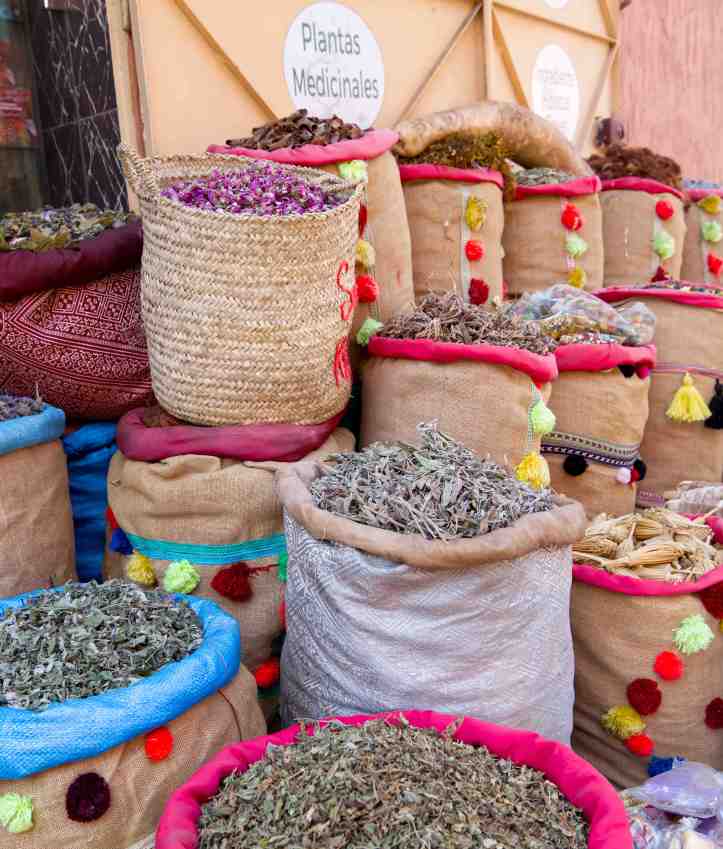
Not everything here is for the kitchen. Many of the herbs and powders are sold as remedies. A merchant might hand you thyme for chest colds, or powdered ginger for digestion. Dried orange peel promises to freshen the breath, while eucalyptus clears the sinuses.
The idea that food and medicine are separate feels foreign here. Spices heal as they flavor, flavor as they heal. The souk becomes both apothecary and pantry, its shelves crowded with jars that blur the line between cure and cuisine.
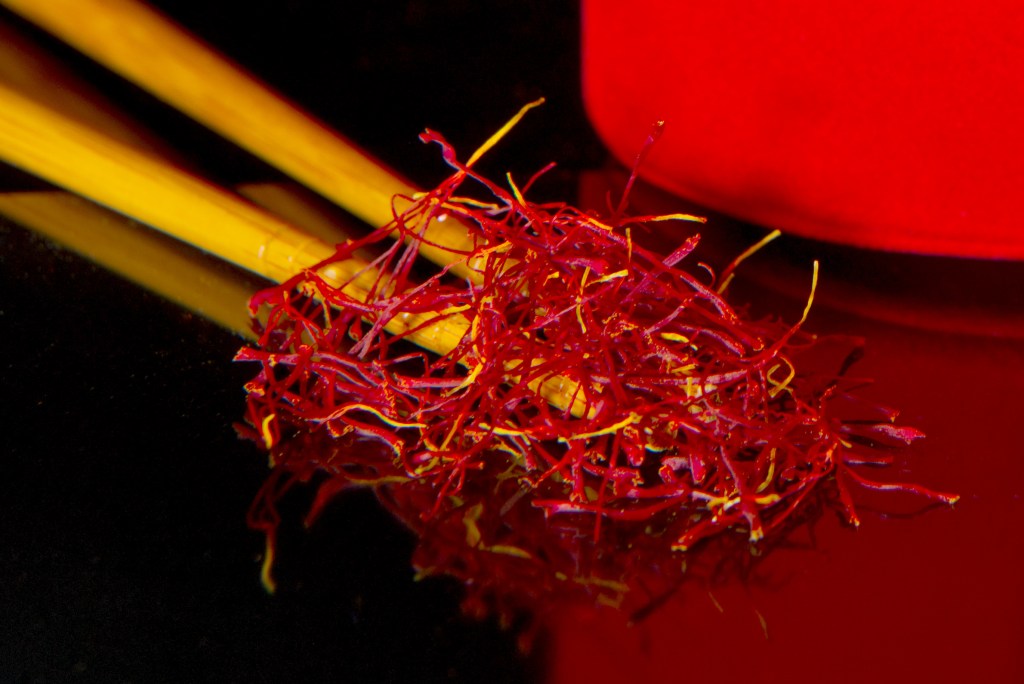
In every market, there is one spice that reigns above all others: saffron. Its threads, thin and fragile, are sold by the gram, more precious than gold. Saffron is delicate, almost floral in aroma, and when steeped in water it releases a golden hue. To hold it in your hand is to hold a fragment of luxury, a reminder of the labor it takes to harvest each thread by hand.
Even in a market of spices, mint holds its own. Bundles of dried mint crowd the stalls, their scent sharp and refreshing. Fresh sprigs are often tucked nearby, ready for brewing.
Mint is not just an herb here; it is the soul of Moroccan tea culture. Vendors invite you to sit, to sip a glass of mint tea sweetened to near syrup, poured from high above the cup so the liquid arcs like glass in the air. The tea is as much a pause as a refreshment, a reminder that the spice market is not only about transaction but also about hospitality.

The merchants of Marrakesh’s spice markets are as memorable as the spices themselves. They stand beside their pyramids of color not only as vendors but as storytellers and guardians of tradition. One explains how saffron must be picked at dawn before the flowers wilt in the sun, another demonstrates how cinnamon bark is rolled into its familiar scrolls, while a third describes the way his mother stirs ras el hanout into couscous. These exchanges carry pride and warmth, revealing that what is for sale is not just spice, but heritage—recipes and rituals passed down through generations, woven into the very identity of the city.
To buy here is to enter a dialogue rather than a transaction. Prices are named and countered, but the bargaining is playful, layered with laughter, gestures of mock shock, and the occasional conspiratorial wink. What might seem like haggling elsewhere becomes here a ritual of connection, an expected rhythm of give and take. By the time agreement is reached, the cost feels almost secondary; what lingers instead is the human connection—the story shared, the laughter exchanged, and perhaps a small extra pinch of spice pressed into your bag “for luck.”
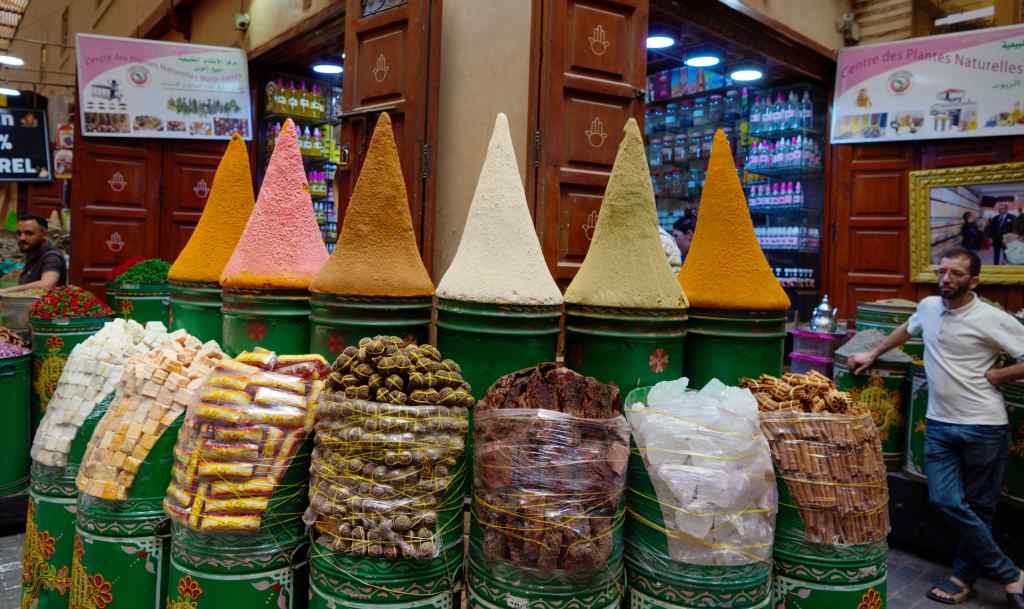
Every purchase in the spice markets feels wrapped not only in paper but in memory. A cone of cumin carries the laughter of bargaining, saffron threads recall the quiet pride of a merchant, and ras el hanout whispers of recipes guarded for generations. What you take home is more than ingredient; it is conversation, hospitality, and a moment of Marrakesh folded into your hands.
You leave the spice markets with your hands dusted in color and your senses alive, carrying not only spices but the memory of voices, stories, and aromas that clung to the air. Later, when you cook and the fragrance of cinnamon or turmeric rises again, the alleys will return to you—not as a place left behind, but as a living presence folded into your everyday life, seasoning more than your food, seasoning your memory itself.

 The Footstep Chronicles
Leave a comment