


By the time the Okavango River reaches the northeastern corner of Namibia, it has already crossed half a continent. Rising from the green hills of Angola, it gathers the seasonal rains that pulse across the highlands each summer, then drifts south through savannah and forest. By the time it enters the Caprivi Strip—Namibia’s long, watery corridor pressed between Angola and Botswana—it has become something slower, more contemplative.
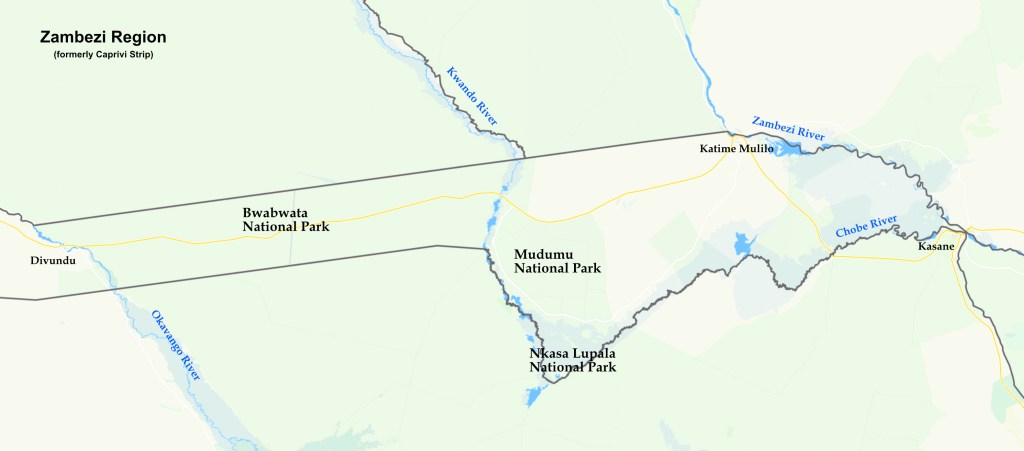
The Caprivi is unlike any other part of Namibia. It is a green exclamation mark attached to an arid country, a landscape where rivers braid through forests and floodplains shimmer with reeds. The Okavango is one of four great rivers that shape this land, alongside the Kwando, Zambezi, and Chobe. Together they transform this narrow strip into one of southern Africa’s most intricate wetland mosaics.
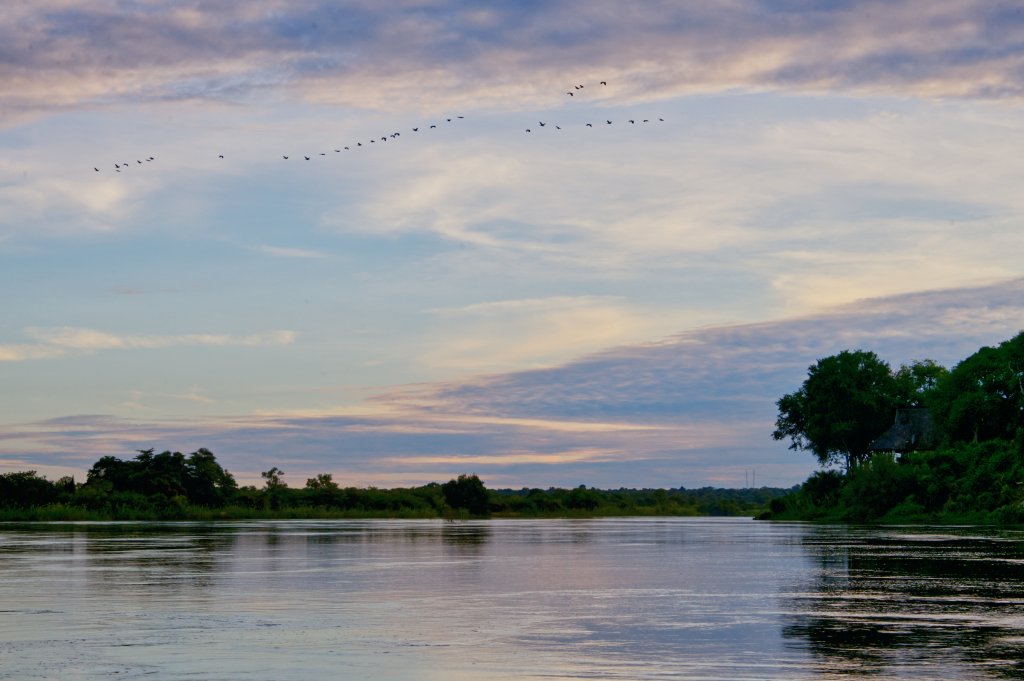
Here, water defines everything. The air smells of damp soil and wild mint; the mornings are heavy with mist. On quiet days, the surface of the river lies glassy, broken only by the rise of a fish or the crossing wake of a heron. On others, it churns over rapids and hidden rocks, especially at Popa Falls, where the river drops a few meters in a broad tumble that fills the forest with sound. The Okavango through the Caprivi is both movement and pause, a river in transition between forested uplands and the inland delta to come.

The Okavango’s rhythm is not the same as the rain that falls locally. Its floods come late, traveling slowly from Angola’s distant storms. Months after the rains have ended in Namibia, the river still rises, a slow procession of water moving down from the highlands.
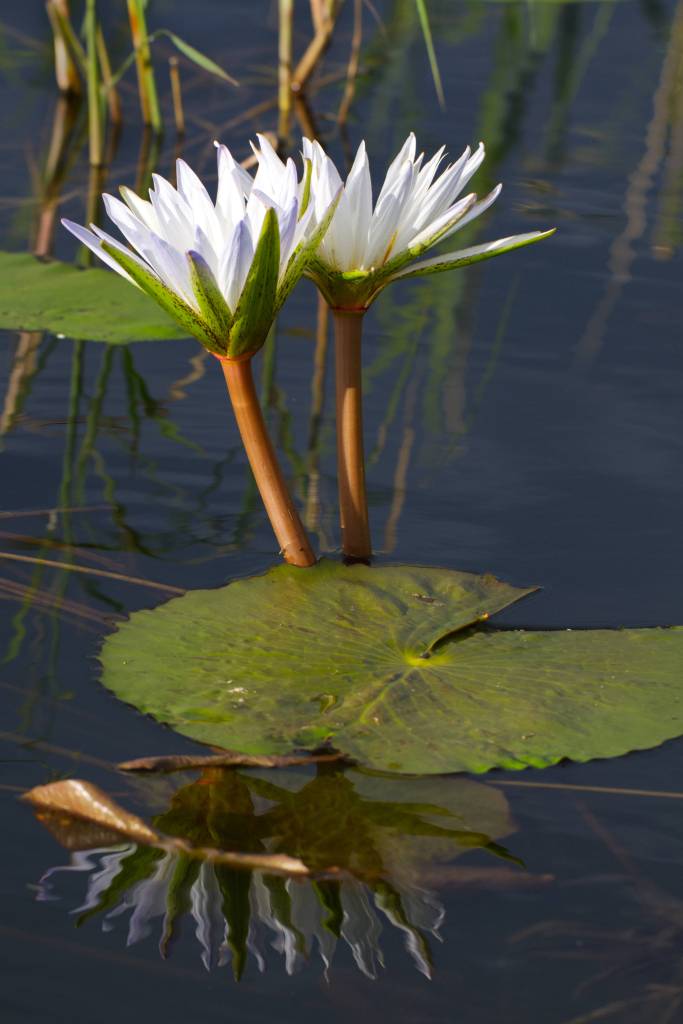
When the floods arrive, they spread like a silver sheet across the floodplain. Channels spill over, creating shallow lagoons and mirror-like pools that stretch to the tree line. The land comes alive in response. Reeds grow taller almost overnight; lilies bloom in pale blues and whites; frogs begin their nocturnal choirs.
To walk along the Okavango in the Caprivi is to walk in the company of giants. In Mahango and Bwabwata National Parks, where the river carves through wild country, African elephants appear almost daily. They move in and out of the water with solemn grace, crossing from the forests to drink or bathe. On hot afternoons, entire herds stand half-submerged, their grey hides gleaming in the sun. When they wade across, the water boils around their knees, and the reeds bend like worshippers before them.
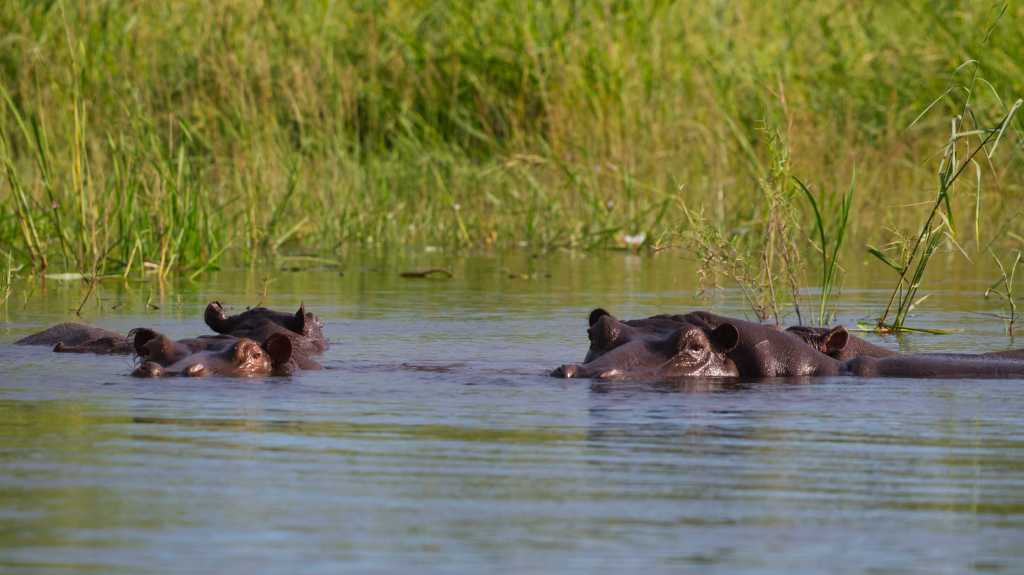
Hippopotamuses rule the deep pools and quiet backwaters. At first you may see only a pair of eyes and nostrils breaking the surface, then a low bellow rolls through the air like distant thunder. As night falls, they rise from the water to graze on riverbank grasses, their trails etched into the mud like the paths of slow-moving storms.
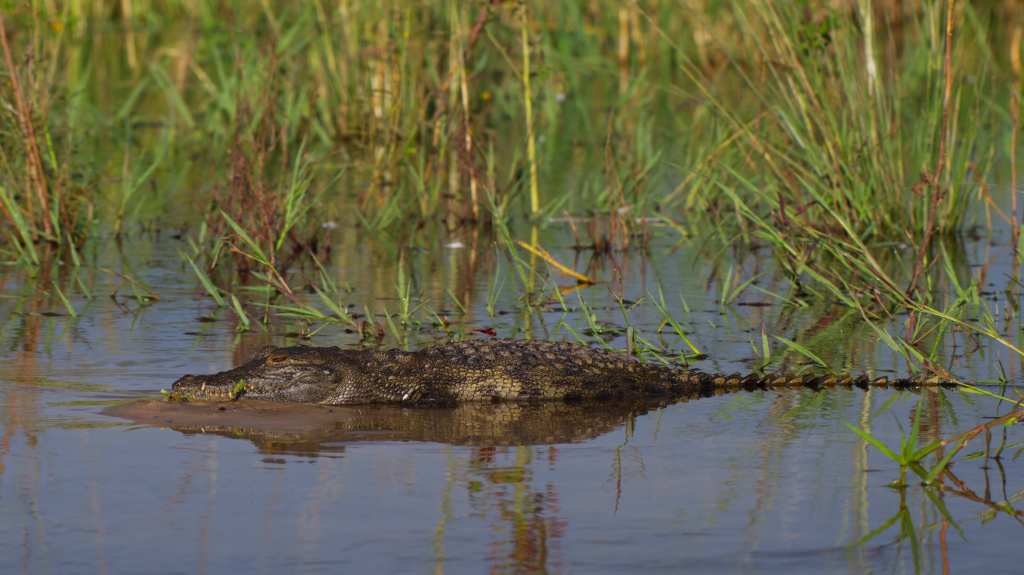
Along every curve of the river lurk Nile crocodiles, prehistoric and patient. They bask with open jaws on the sandbanks, their hides blending perfectly with mud and light. The smaller animals know their presence—the impalas drink nervously, baboons watch the shallows before stepping down. The Okavango may look peaceful, but it is a place of careful balance and constant watchfulness.
If the hippos are the body of the Okavango, then birds are its soul. They animate every bend and island, every stretch of reed and lagoon. In the Caprivi, birdlife feels not like an addition to the landscape, but its language—expressed in calls, colors, and flight. More than 450 species have been recorded along this river, and on any given day, the air seems to hold a hundred different songs.
The variety is astonishing because the habitats here shift within meters. Woodland merges into floodplain, floodplain into open water, open water into dense reedbeds. Each layer shelters its own community, each with its own rhythm.

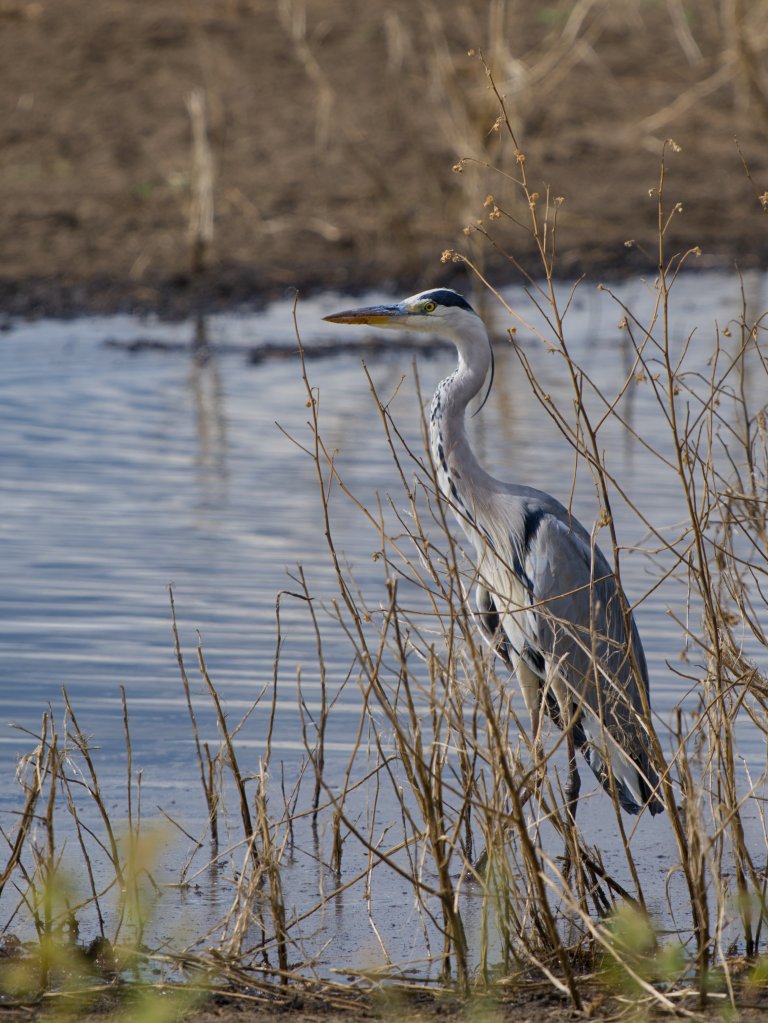
Along the slow bends of the Okavango, purple herons stand like sentinels, tall and deliberate, their long necks drawn into elegant curves. They wait in the half-shadow of reeds, motionless for minutes, then strike with sudden precision, drawing small fish from the shallows with an ease that seems almost ceremonial. When disturbed, they rise with heavy, graceful wingbeats, their muted plumage blending with dusk and smoke-colored water.
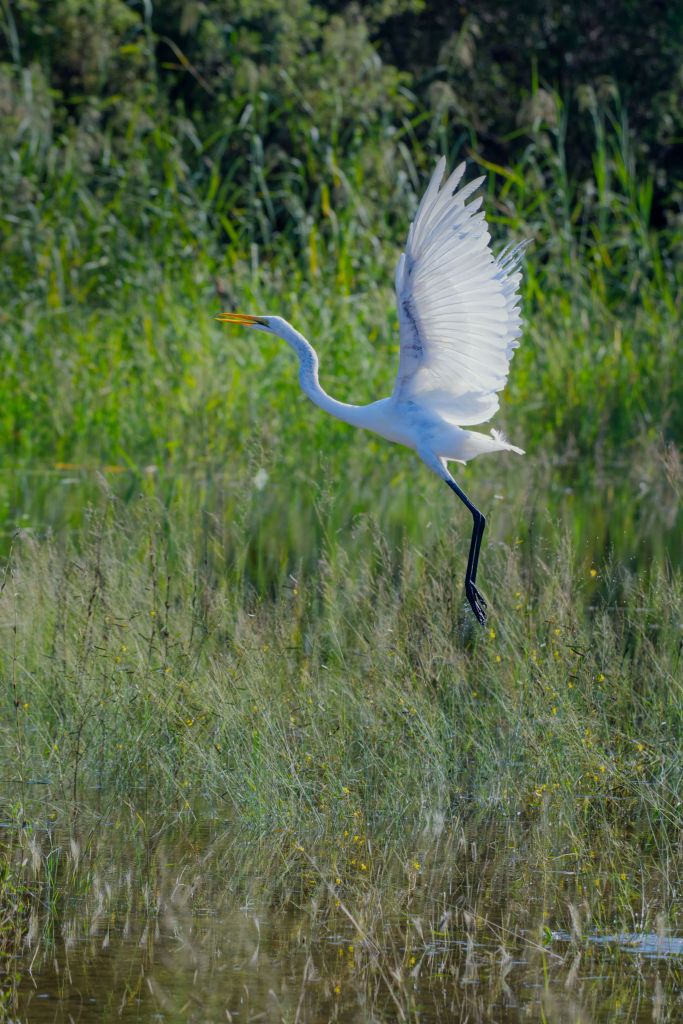
A great egret drifts above the reeds, its long wings moving with the measured rhythm of breath. Each slow beat seems to stir the air itself, trailing stillness in its wake. The sunlight catches along its feathers so that the bird glows—an apparition of white fire gliding over green. Below are the reeds along the shores of the river, bending softly in the breeze as though bowing to its passage. For a long moment, it seems less a creature than a thought carried on the wind, a solitary thread of grace woven into the quiet fabric of the river.
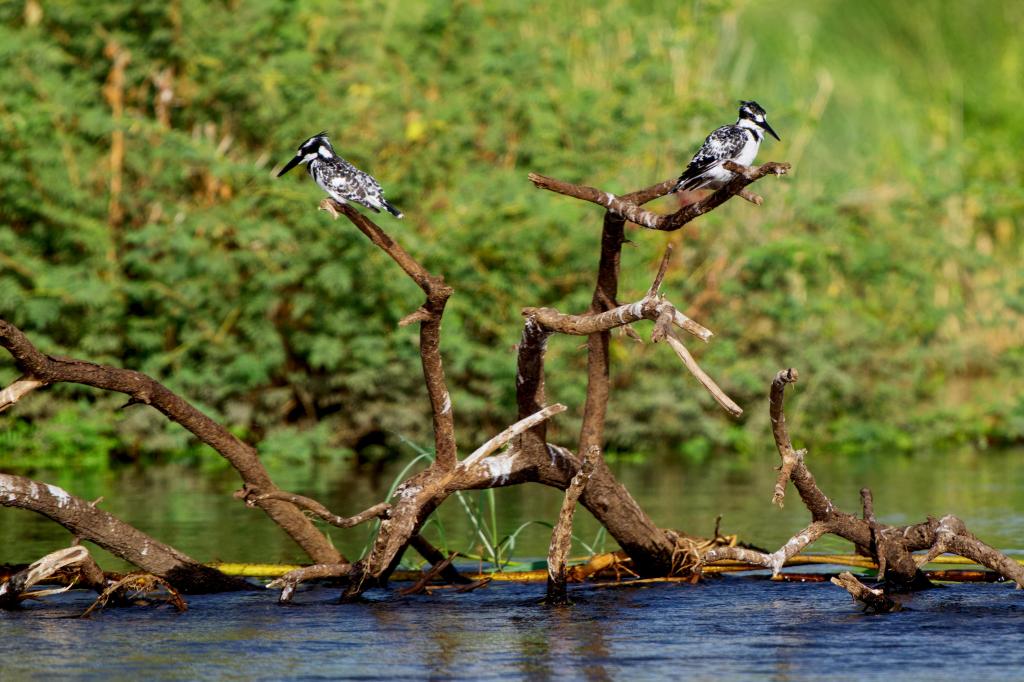
Two pied kingfishers perch on dead branches jutting above the river, their black-and-white plumage stark against the slow shimmer of the water. They sit in perfect stillness, side by side, eyes fixed on the shifting surface below. The air hums with insects, the reeds whisper in the breeze, and still the birds do not move. Only the faint twitch of a tail or the tilt of a head betrays their intent, every muscle tuned to the rhythm of the current.
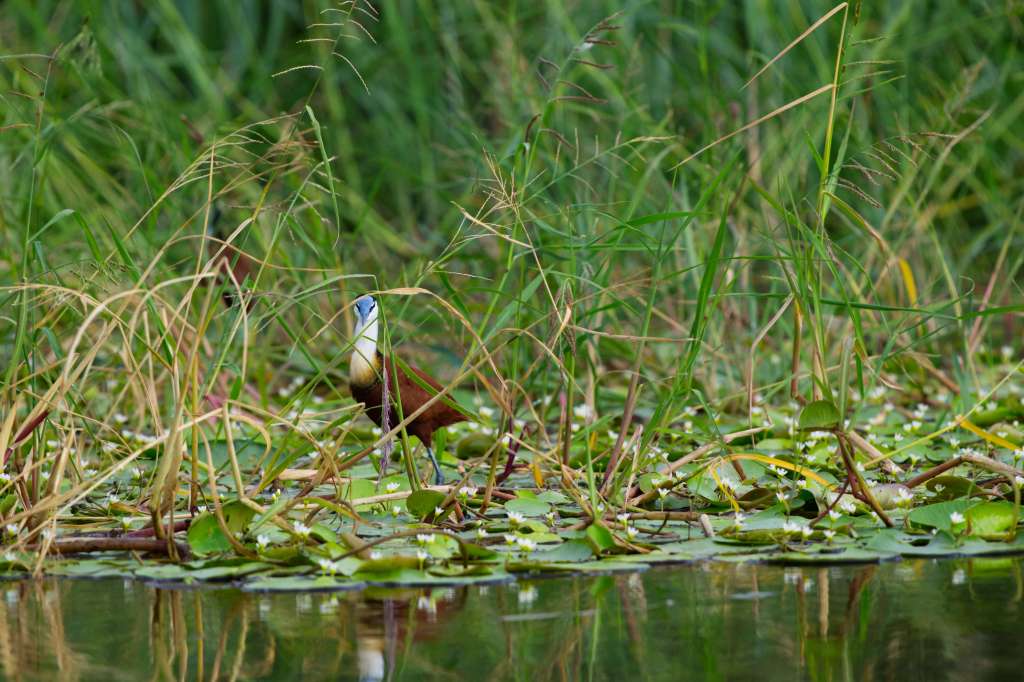
The African jacana performs its quiet ballet across the lilies, stepping so lightly that the water barely stirs. Its toes, long and impossibly thin, spread wide to hold its weight on the floating leaves, each step a test of balance and faith. The bird’s plumage gleams in the sunlight—rich chestnut wings, a white face, and a bright blue shield upon its forehead that flashes like enamel when it turns its head. Moving with deliberate grace, it seems to dance upon the surface of the river itself, a creature both fragile and assured. Around it, the lilies drift and the reflections tremble, but the jacana continues its slow procession, the water carrying its shadow as gently as breath.

Hidden deep within the reeds, the little bittern moves among cautiously—silent, deliberate, and easily missed. Its buff and black plumage mirrors the colors of the stems, so that even when it climbs a reed to peer over the water, it seems part of the plant itself. It slips through the green maze with careful balance, each movement measured and sure. Out on the open banks, where the grass meets the shallows, the wattled lapwing keeps a different kind of vigil. It stands alert and restless, its yellow wattles bright against the light, calling sharply at any intruder who dares too close. Between them, the bittern’s secrecy and the lapwing’s boldness mark the two extremes of life along the river—one hidden within the reeds, the other proclaiming its dominion to the skies.


Along the sandy banks of the Okavango, white-fronted bee-eaters line up like living jewels. They chatter constantly, a bright, musical accompaniment to the river’s quiet pulse, their calls rising and falling with the breeze. These small birds are not merely decorative—they are builders of the river’s edge. In the soft, sun-warmed sand of the banks, bee-eaters dig tunnels to lay their eggs, burrowing long, sloping cavities that shelter their young from predators and flood. From dawn until late afternoon, they dart over the water, wings whirring, catching insects in midair before returning to the banks. The river and its shores are alive with their activity, a constant rhythm of flight and song, nest and nestling, movement and pause.

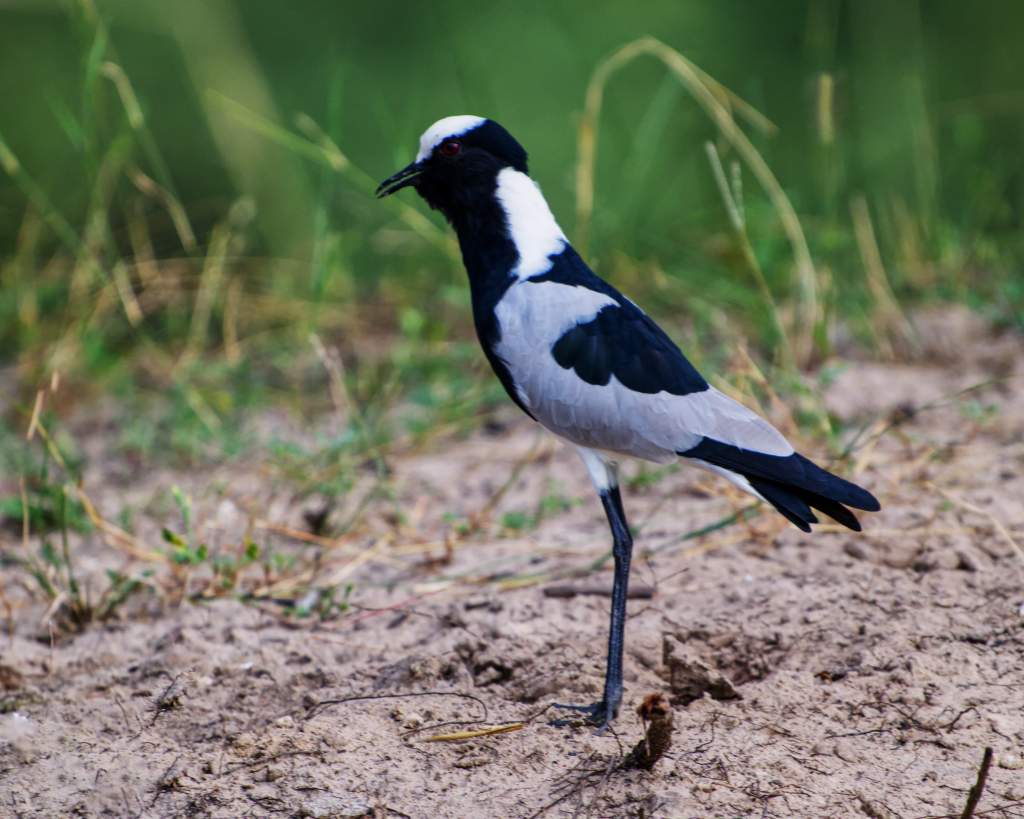
Along the sandbars and shallow shallows, the blacksmith lapwing paces with purposeful steps, its black-and-white plumage striking against the pale sand. Each metallic call—a ringing, hammer-like “tink-tink-tink”—carries across the water, warning rivals and signaling presence. They feed with quick, darting movements, pecking at insects and small crustaceans along the edges of the river. The lapwings are territorial yet attentive, often seen in pairs or small groups, their reflections mirrored in the quiet pools as they stride along the shifting banks.
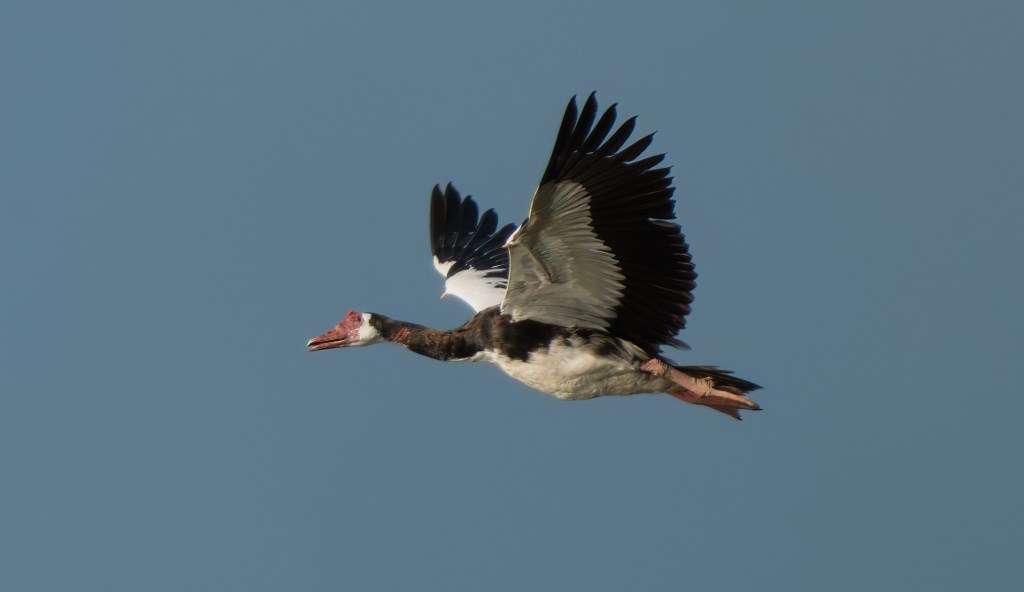
Above the rippling waters of the Okavango, the spur-winged goose drifts with measured authority. Its broad wings catch the sunlight, each beat sending shadows across the reeds below. Flying solo or in loose pairs, it arcs gracefully along the river, scanning the shallow channels and sandbanks for feeding grounds. There is a quiet majesty in its flight, neither hurried nor anxious, a living bridge between the earth and sky. From this height, the river seems to bend beneath it, and every movement of the goose feels attuned to the pulse of the water, the wind, and the day itself.
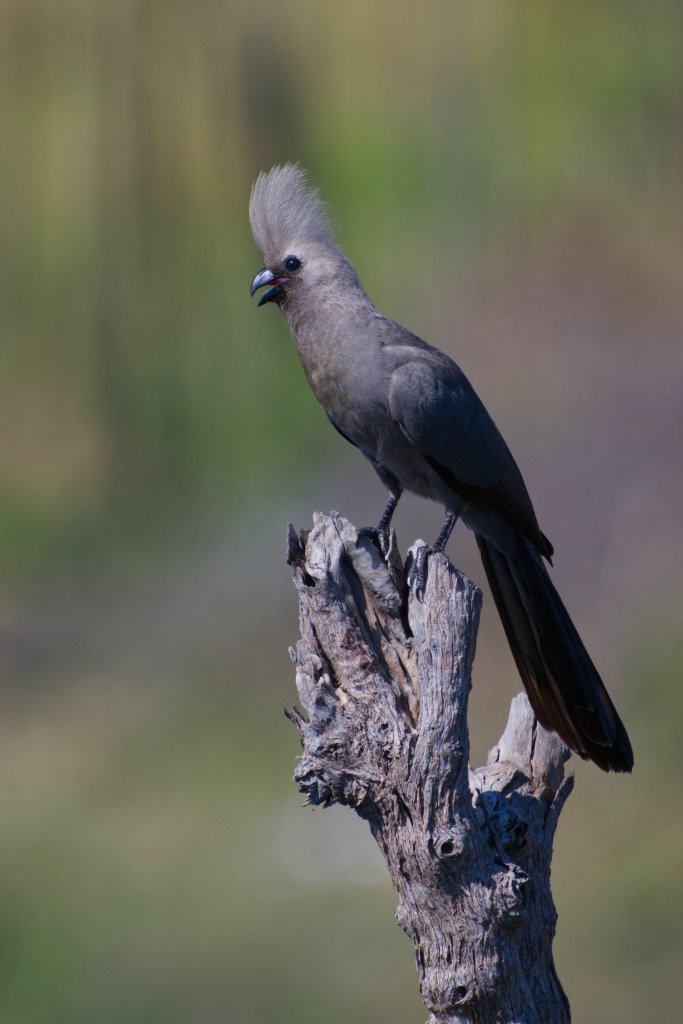
Perched on a bleached, dead stump at the river’s edge, the grey go-away bird lifts its head and lets out a series of sharp, nasal calls—“kwaaaaay… kwaaaaay…”—each one cutting through the still morning air. The sound is insistent, almost mournful, echoing across the reeds and water, carrying farther than the bird itself moves. Its soft grey plumage blends with the weathered wood beneath it, tail swaying gently as it scans the floodplain, a solitary observer whose voice marks both presence and territory along the river.
Perched atop a dead tree rising from the river’s edge, the African fish eagle surveys the water below with unwavering focus. Its white head gleams in the sunlight, chestnut body still against the wind, eyes tracking every ripple and glimmer of movement. The river flows quietly beneath, reeds bending softly, while the eagle waits patiently, a solitary sentinel perfectly attuned to the pulse of the Okavango.

Perched lightly on a high branch near the riverbank, the African hoopoe flicks its long, curved bill and raises its crest in sudden alertness. Its cinnamon plumage and black-and-white wing stripes catch the sunlight as it moves with quick, deliberate hops, probing the bark and soil for insects. Occasionally, it lets out its soft, trilling call—a low, rolling “hoo-hoo-hoo”—that drifts across the floodplain, adding a subtle, musical thread to the chorus of life along the Okavango.

Along the Okavango’s edge, where the reeds give way to patches of small grassy plains, life unfolds quietly to for the slow, deliberate movements of its larger residents. The waterbuck move steadily across the green grass plains along the river’s edge, their dark coats gleaming in the morning sun. They graze on the tender shoots, ears flicking at every sound, alert to the rustle of reeds or the distant call of birds. Occasionally, one lifts its head to scan the gentle sweep of the plains, nostrils flaring, before lowering to feed again. On these quiet, open stretches, the waterbuck seem perfectly at home, their measured movements in harmony with the rhythm of the river and the soft sway of the grasses around them.
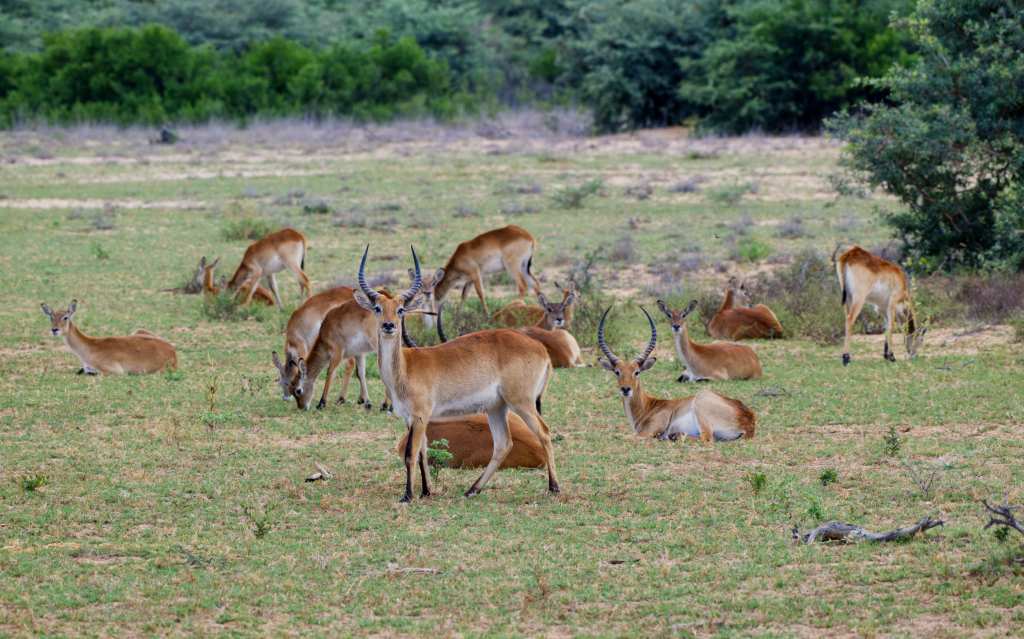
A solitary roan antelope moves cautiously across the green grass plains beside the river, its reddish-brown coat gleaming in the morning sun. Muscular and alert, it pauses frequently, ears swiveling and nostrils flaring as it listens to the rustle of reeds and the distant calls of birds. Its curved, ringed horns rise like dark sentinels above its head, a testament to both strength and grace.

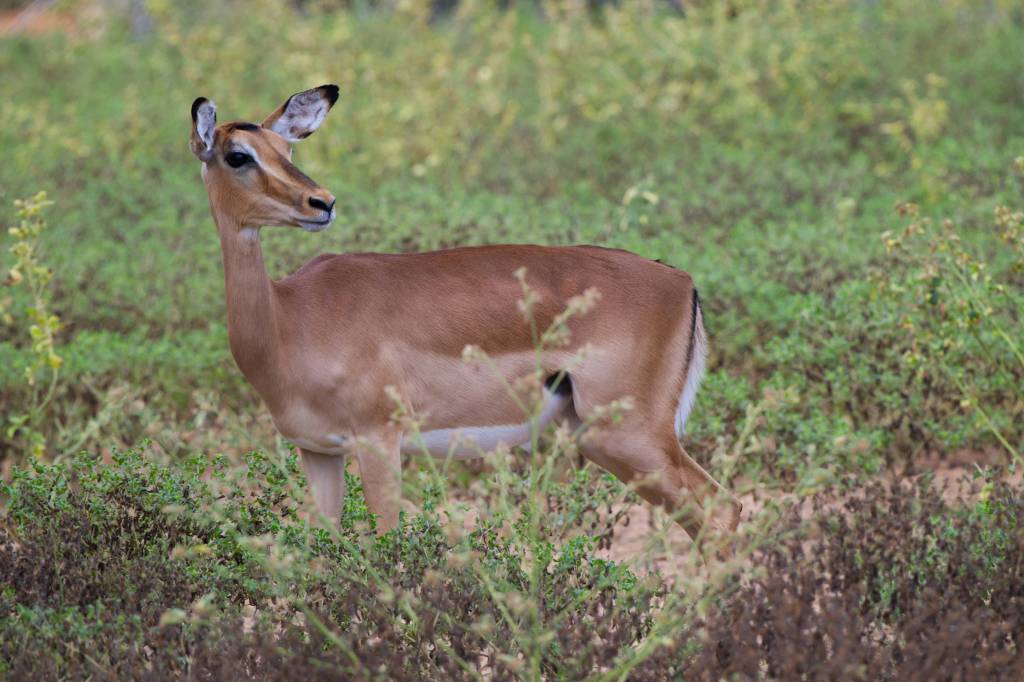
Across the green grass plains beside the river, impala graze with soft attentiveness, their slender bodies moving with effortless grace. Their coats gleam warm in the sunlight, marked by the signature black stripes along the tail and hindquarters. They lift their heads frequently, ears swiveling and eyes bright, alert to any hint of movement in the surrounding grasses or the distant hum of birds. When startled, they spring as one, legs coiling like springs, bounding across the plains.
In the cool shade of the riverbank trees, a young giraffe rests, its long legs folded beneath it. A small group of oxpeckers hops over its back, pecking lightly at insects and cleaning its skin. The giraffe’s ears flick occasionally, and its eyes half-close in quiet contentment, perfectly still yet aware of the soft stirrings of the forest around it. Alone and serene, it seems to inhabit a private world beneath the trees, a fleeting, tender moment along the Okavango’s grassy edge.

In the early afternoon, the Okavango moves in a haze of warmth. The air shimmers above the plains, and the steady hum of insects drifts over the water. The birds that filled the morning with their calls have quieted now — herons standing motionless in the shallows, bee-eaters resting in the shade of their sandy banks, the fish eagle silent in its perch above the river. Only the faint rustle of wings and the occasional cry of a lapwing carry across the heat. The river itself seems unchanged, though its light has deepened. Each ripple glints and fades, the reeds swaying gently in the faintest wind.

The Okavango’s course through the Caprivi is short in miles but endless in experience. It is part of the great Kavango–Zambezi ecosystem—a frontier wilderness that lets animals roam across borders and birds follow ancient flyways without interruption. Water is the thread that ties it all together. The Okavango does not hurry; it moves with the certainty of something eternal, carrying its life quietly from one bend to the next. In the still air, the scent of water and grass mingles with dust and sun — steady and enduring, alive in every sound and silence along its winding course.

 The Footstep Chronicles
Leave a comment