

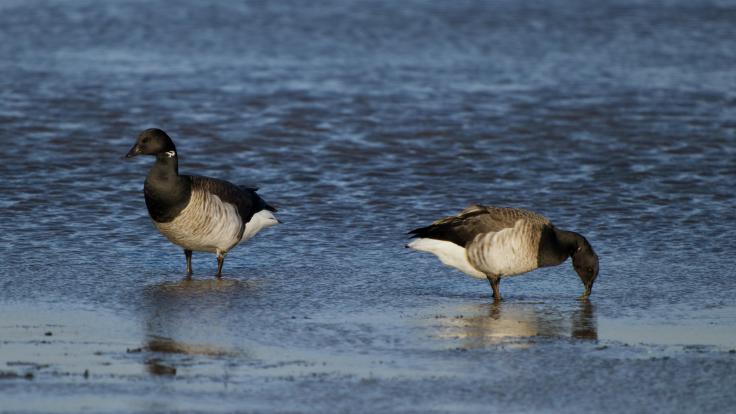
Strangford Lough in winter has a way of gathering life quietly. The water withdraws and returns twice a day, revealing wide mudflats that gleam briefly before softening again beneath the tide. Channels thread their way through eelgrass beds, and the air carries a low, constant movement. In this shifting space, the light-bellied Brent geese arrive, not with spectacle, but with certainty. They come as they always have, drawn by memory, instinct, and the promise of survival.
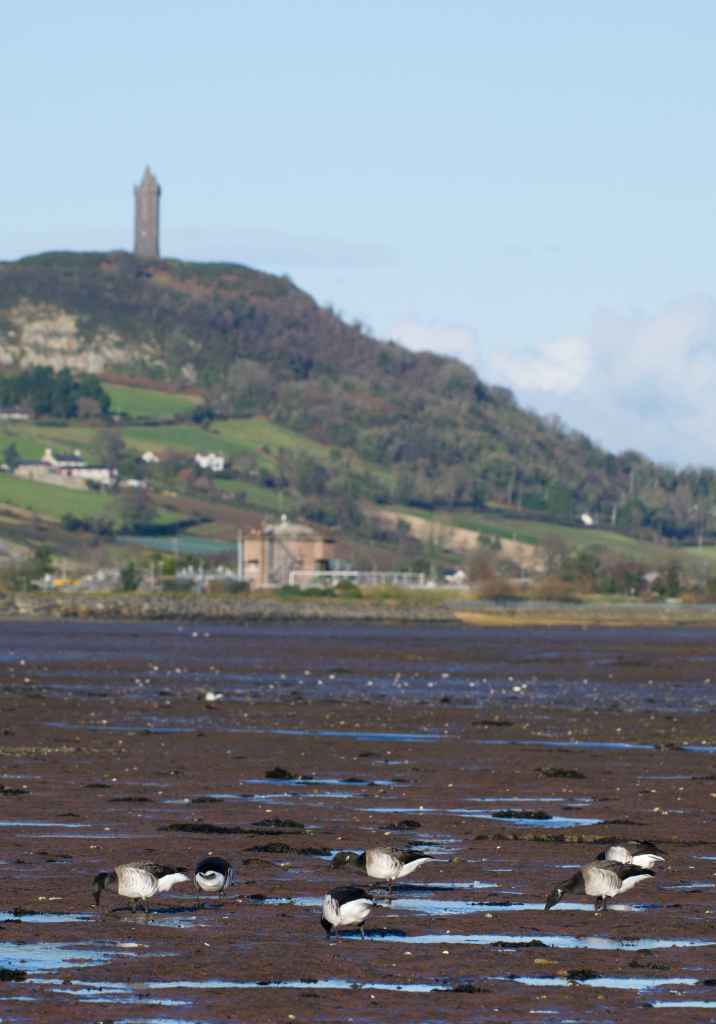
At first they appear in smaller groups, dark shapes settling on the water or stepping carefully onto exposed flats. Over weeks, those early arrivals are joined by thousands more. By mid-winter, Strangford holds one of the largest gatherings of light-bellied Brent geese anywhere in the world. In strong years, close to thirty thousand birds spread across the lough, forming a dense, living presence that represents the majority of the global population. Elsewhere, these birds are known as Brant, the name changing with geography rather than species, but their route remains the same. This population is small by goose standards. That reality gives Strangford a particular weight. What happens here matters far beyond the shoreline.
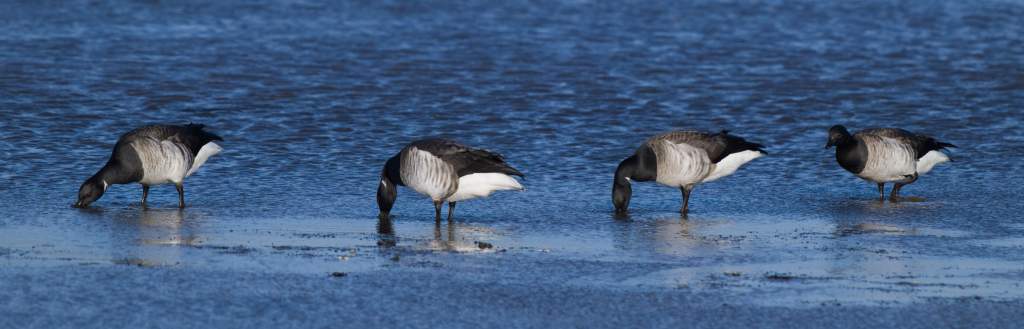
The geese shape the lough’s daily rhythm. As the tide falls, they fan out across the flats, feeding steadily on eelgrass and other marine plants exposed by the retreating water. Their movements are measured and economical. Heads dip and lift in near-unison, bodies angled slightly into the wind. When the tide returns, the flocks draw together, lifting low over the water before settling again in sheltered shallows. These cycles repeat day after day, winter written not by calendar but by tide.
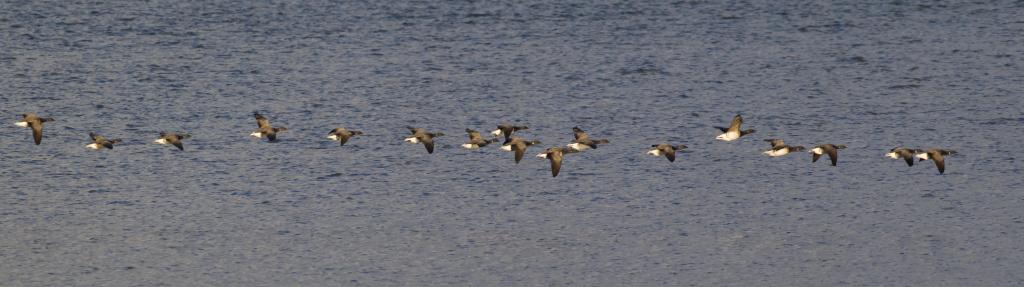
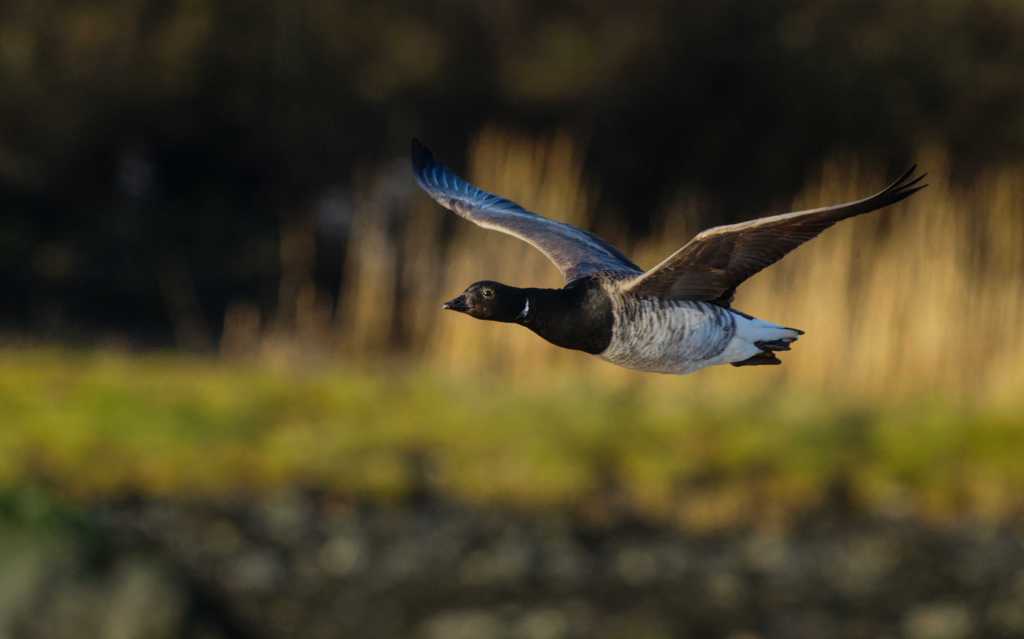
The light-bellied Brent goose is compact, built for distance rather than display. Its dark head and neck contrast with a pale belly that catches the low winter light when the bird turns. In flight, the flocks move as a single shape, bending and reshaping with quick precision. On the water and mud, they remain alert, rarely fully still. Winter is not a season of rest. It is a time of careful balance, where energy gained must exceed energy spent, and small decisions carry long consequences.
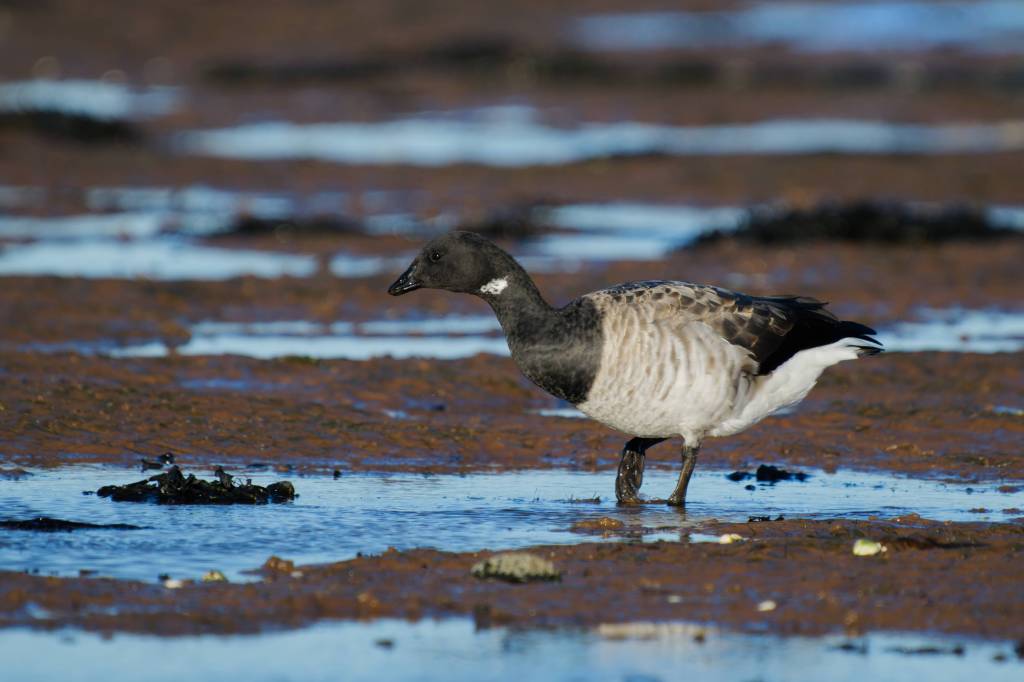
Months before arriving at Strangford, these same birds were far to the north, in the Arctic regions of Canada. There, summer is brief and intense. Nesting happens quickly, timed to the narrow window when food is abundant and the land is free from ice. Young birds hatch into near-constant daylight, growing fast in a landscape where delay can mean failure. When summer begins to fade, the geese gather, and the long southward journey begins.
Migration is learned through following. Younger birds stay close to older ones, absorbing routes and resting places through repetition rather than instruction. The journey spans vast distances, crossing icy waters and remote coastlines before reaching the Atlantic pathways that lead to Ireland. By the time the geese reach Strangford, they have already travelled thousands of kilometres. The lough is not simply a destination. It is a place of recovery.
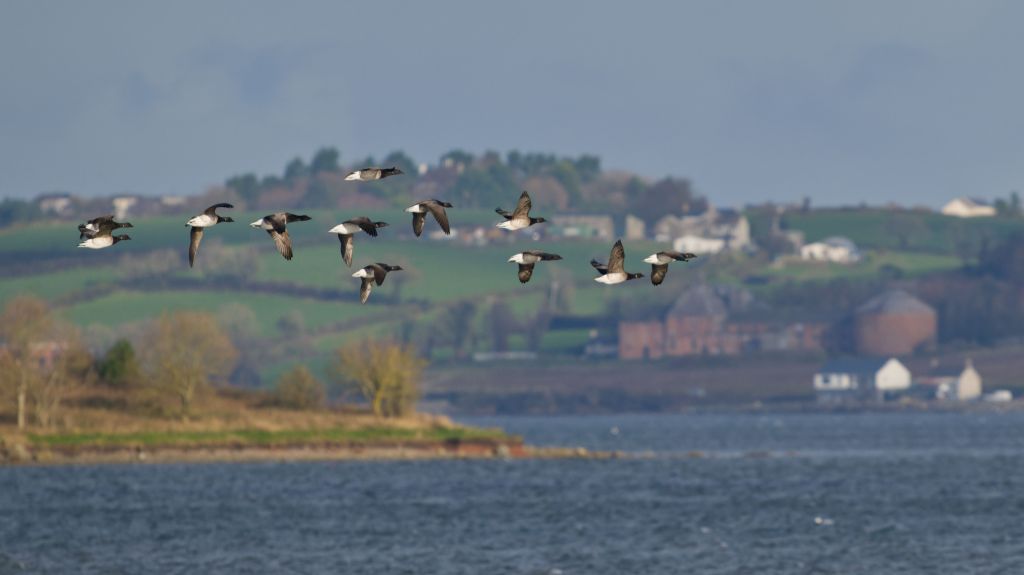
What makes Strangford so valuable is its scale and consistency. The shallow waters support extensive eelgrass beds, offering food that is both nutritious and accessible. The size of the lough allows the flocks to spread out, reducing competition and giving the birds flexibility to respond to changing tides, weather, and disturbance. Few places offer this combination, and fewer still can support such numbers year after year.
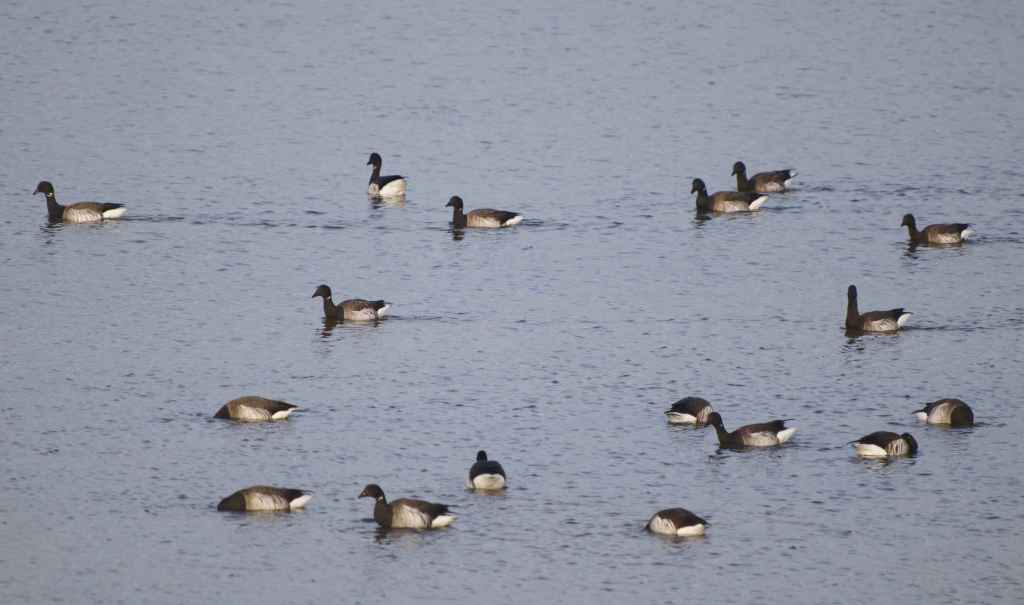
Social bonds hold the flocks together. Pairs remain close, families move as units, and vigilance is shared. When danger approaches, the response is collective. Thousands of birds rise at once, filling the air with sound before settling again at a safer distance. These moments are striking, but costly. Each unnecessary flight burns energy that must be replaced through feeding. For the geese, uninterrupted access to the flats is essential.
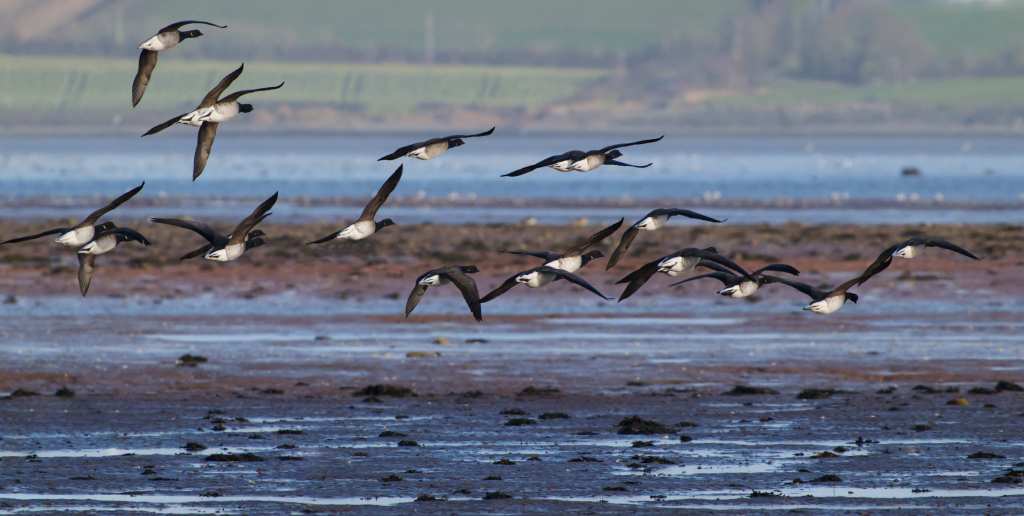
As winter deepens, the lough becomes layered with presence. Some flocks feed far out on the mud, others rest along sheltered channels or open water. Not all birds are visible at once. Instead, the geese reveal themselves in fragments: a distant line lifting against the sky, a dense cluster resting on still water, scattered birds feeding along a quiet shoreline. Together, these fragments form a system, spread across the lough but bound by shared timing and movement.
The geese are adaptable. When conditions demand it, some birds move briefly inland to graze before returning to the shore. During storms, they seek out the most sheltered parts of the lough, where wind and wave are softened. These adjustments, small but constant, help them endure months that offer little margin for error.
Over time, the geese become part of the lough’s language. Their presence shapes how winter is experienced and remembered. Even the name Brent, so firmly associated with these birds on northern shores, has travelled far beyond them. It was carried into maps and charts, later into offshore waters, where it came to describe oil fields and energy flows, detached from the quiet feeding grounds that first gave it meaning. Here, though, the word returns to its origin. The geese continue their ancient routine, indifferent to how far their name has wandered. In their steady movements lies a contrast that is easy to miss: a life shaped by restraint and balance, mirrored faintly in a word now embedded in the language of extraction and consumption. The lough holds both histories without comment.
As winter begins to loosen, subtle changes ripple through the flocks. Light lengthens. Feeding becomes more intense. The geese lift and settle more frequently, restlessness building as preparation for departure begins. The return journey north demands strength, and every remaining day is used to build reserves.
Departure does not happen all at once. Some mornings, large numbers rise together and head away from the lough, climbing steadily before setting a northern course. On other days, only small groups leave, while the rest continue feeding. Gradually, the winter crowds thin. By early spring, the mudflats lie open again, quiet except for tide and wind.
The future of the light-bellied Brent goose is closely tied to places like Strangford. Their reliance on specific feeding habitats makes them sensitive to change. Healthy eelgrass beds are essential, and repeated disturbance during winter can reduce feeding time and force birds into unnecessary flight. Conditions far beyond the lough also matter. Breeding success in the Arctic varies widely from year to year, influenced by weather, predators, and shifting environmental patterns. Poor summers can echo months later in smaller winter flocks.
Despite these pressures, the Brent goose remains a resilient traveller. Its survival depends not on one place alone, but on a chain of habitats linked by memory and movement. Strangford Lough is one of the strongest links in that chain. Its ability to support tens of thousands of birds each winter is both a sign of balance and a reminder of responsibility.
To watch the geese here is to witness connection made visible. Each bird carries the imprint of distant landscapes, of Arctic summers and long crossings. Their presence ties Strangford to places most people will never see, and to cycles that unfold far beyond the local horizon. In winter, the lough becomes a gathering ground not just for geese, but for stories written in wings, tide, and time.
 The Footstep Chronicles
Leave a comment