
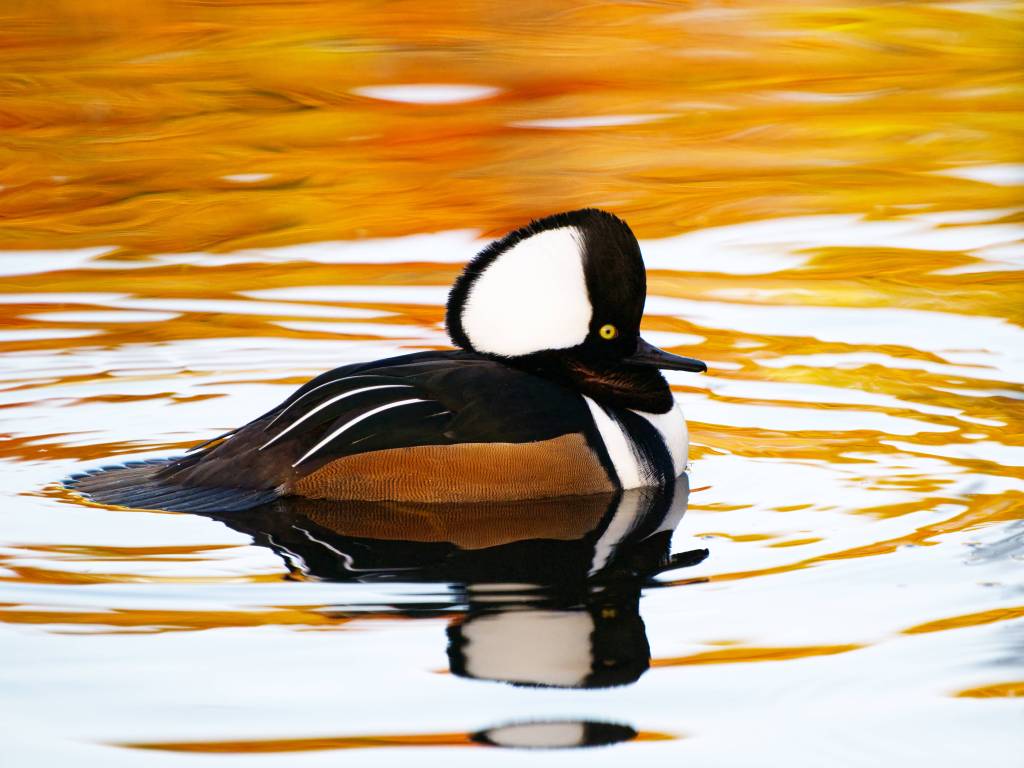
There is a certain hush that lives at the edge of water.
Not silence exactly, but a layered quiet. The rustle of reeds, the soft percussion of beaks meeting surface, the conversational murmur of ducks whose dialects span continents. At Castle Espie Wetland Centre, this quiet gathers itself into something almost architectural, widening outward like the cone of a listening ear. And so, in walking its paths, we move not just forward, but deeper.
The journey does not drift gently into the wetlands. It slips through a threshold.
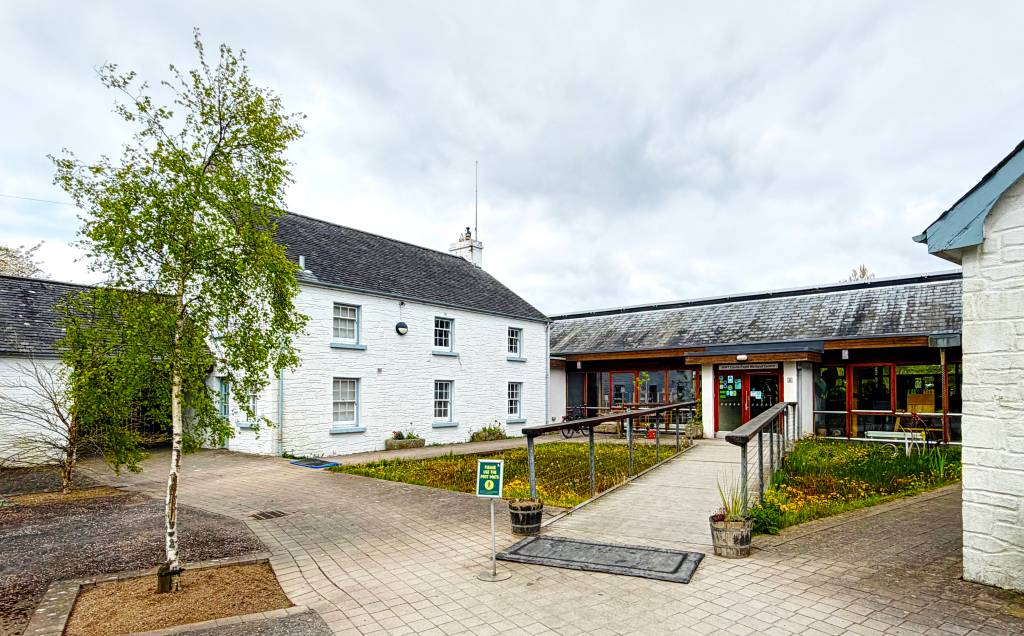
You pass through the visitor centre first, a place of orientation but also of quiet calibration. There are glimpses of what waits beyond: silhouettes of long-necked birds, flashes of colour in photographs, names that hint at far-off climates. It is less an introduction and more a tuning fork, setting the frequency for what follows. Then the doors open, and the world rearranges itself.
Water takes over the horizon. The air changes texture. Sound expands. And without much ceremony, you are delivered straight into the heart of it: the wildfowl of the world.
There is no slow build here. The global arrives all at once.
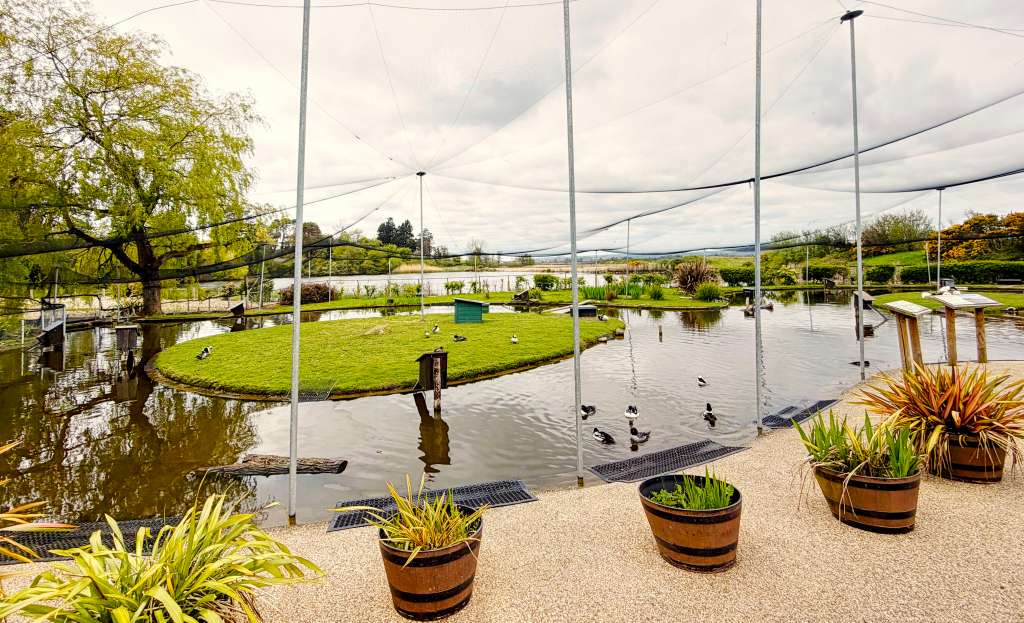
Enclosures unfold like pages from an atlas that has learned how to breathe. South America, Africa, Asia, North America, each represented not by maps but by motion, by feather, by voice. The ducks are not static exhibits; they are small kinetic landscapes, each carrying the logic of their home ecosystems in how they stand, swim, feed, and interact.
The enclosures are carefully composed. Water depth changes subtly. Vegetation mirrors distant habitats. There are reeds that whisper of European marshes, open pools that echo North American wetlands, shaded pockets that feel closer to tropical edges. It is not replication, but suggestion. Enough to let each species behave like itself.
And behaviour is the real spectacle.
Dabbling ducks tip forward, tails briefly vertical, feet working invisibly beneath the surface. Diving species vanish entirely, reappearing metres away as if the water itself has moved them. Pairs form and reform, gestures exchanged in tiny, precise movements that carry meaning beyond easy interpretation.
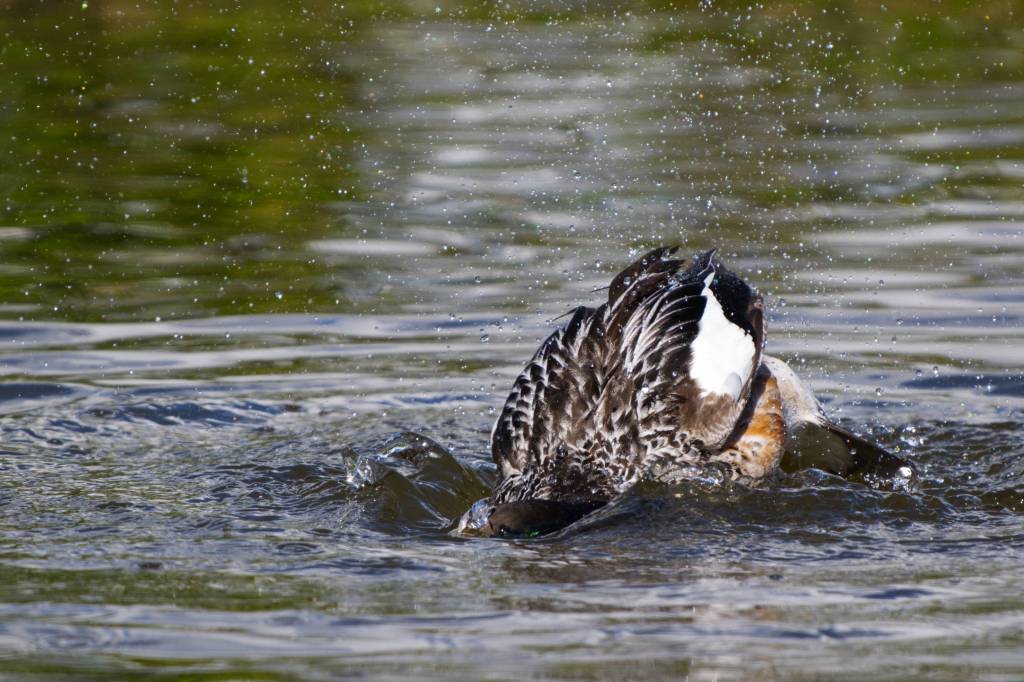
Spend a little longer here and the idea of “a duck” starts to unravel, thread by thread.
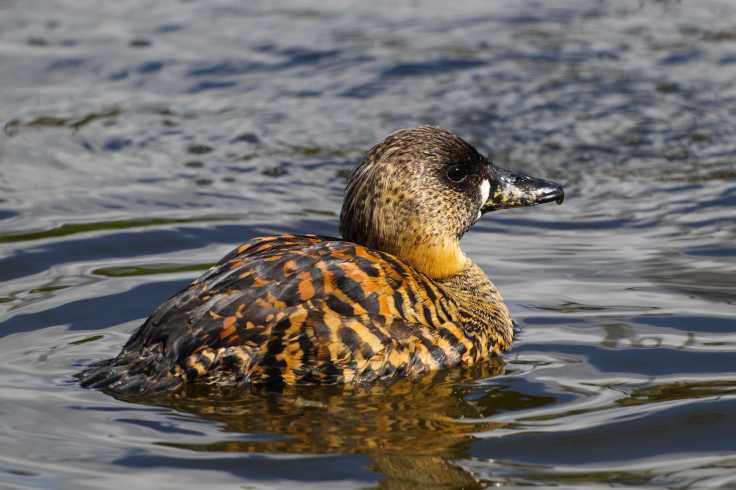
The differences are no longer abstract. They are right in front of you, embodied. The African white-backed duck moves with a kind of quiet understatement, its pale back catching and holding light in a way that feels almost incidental, as though it hasn’t noticed its own visibility.
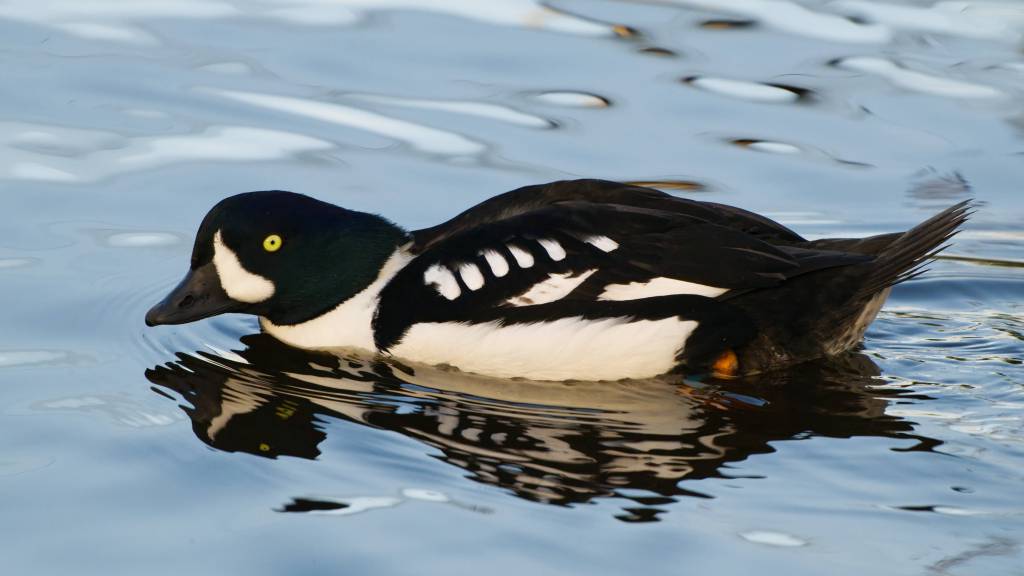
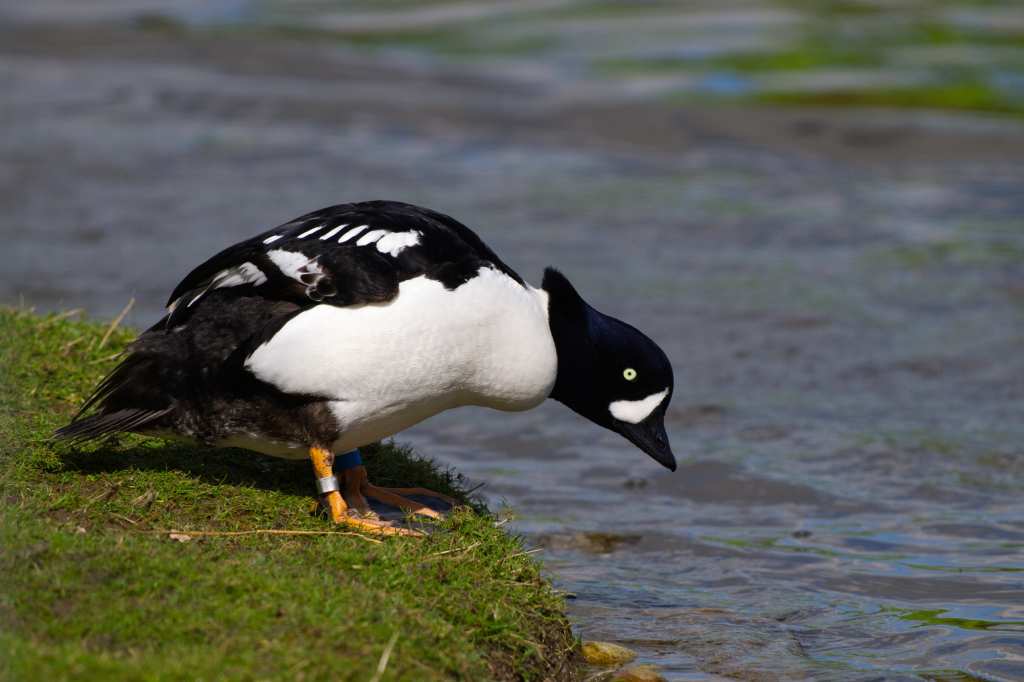
Then the eye shifts, and Barrow’s goldeneye takes over the scene. There is something composed about it, something exact. The stark patterning, the clean geometry of its markings, the way it sits on the water with a measured stillness. Even its movements feel considered. When it dives, it does so without fuss, disappearing cleanly and reappearing elsewhere with no trace of effort. You find yourself watching longer than expected, waiting for the next small decision it makes.
Form begins to feel less like a shared template and more like a series of experiments.
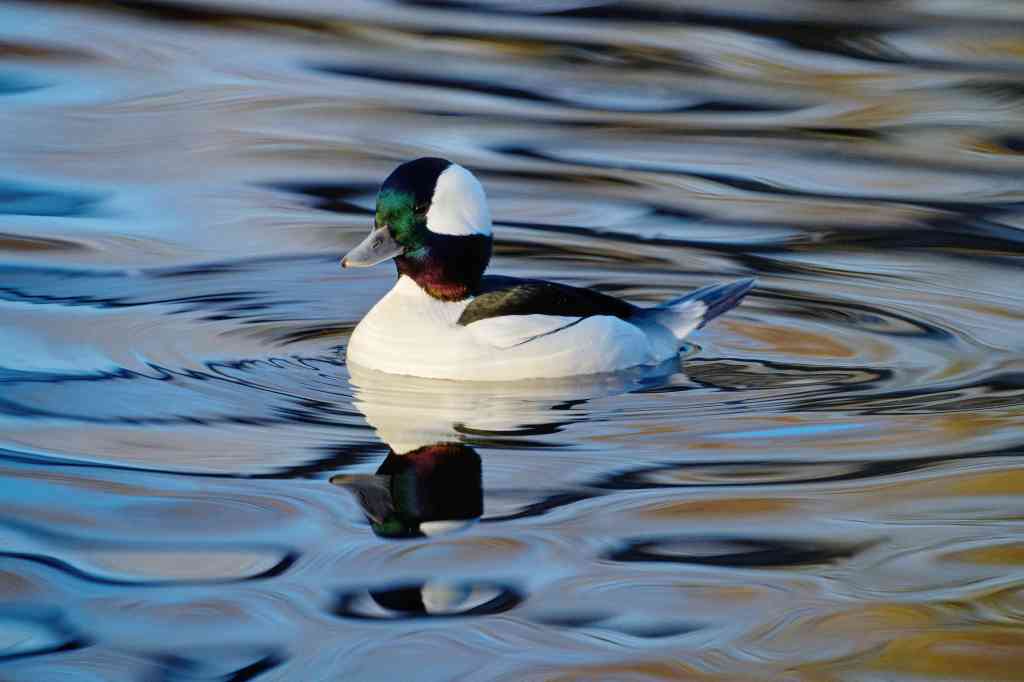
The rhythm changes again with the bufflehead.
Smaller, more kinetic, it brings a kind of bright interruption to the water’s surface. It doesn’t hold still in the same way. Instead, it flickers. Short dives, quick turns, a constant recalibration of position. Where the goldeneye feels deliberate, the bufflehead feels immediate, almost impulsive, as though it’s responding to something just out of sight.
Elsewhere, the colours begin to warm.
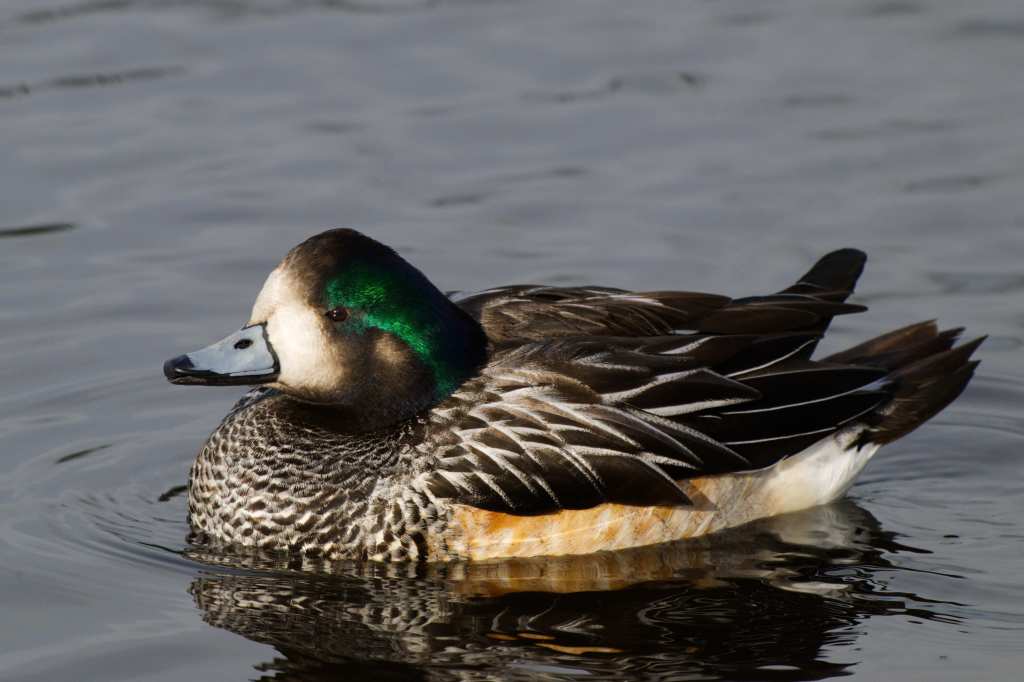
The Chiloe wigeon leans toward subtlety, its tones blending into the landscape, its movements unhurried, almost pastoral. Then the falcated duck complicates things, introducing elegance and a kind of shifting detail that only appears when the light cooperates. Its shape feels refined, its presence quieter but no less intricate.
The Chiloe wigeon moves through the space with a softer presence, its tones blending into the environment rather than standing apart from it. There’s an ease to its behaviour, an unhurried quality that contrasts with the sharper movements seen elsewhere.
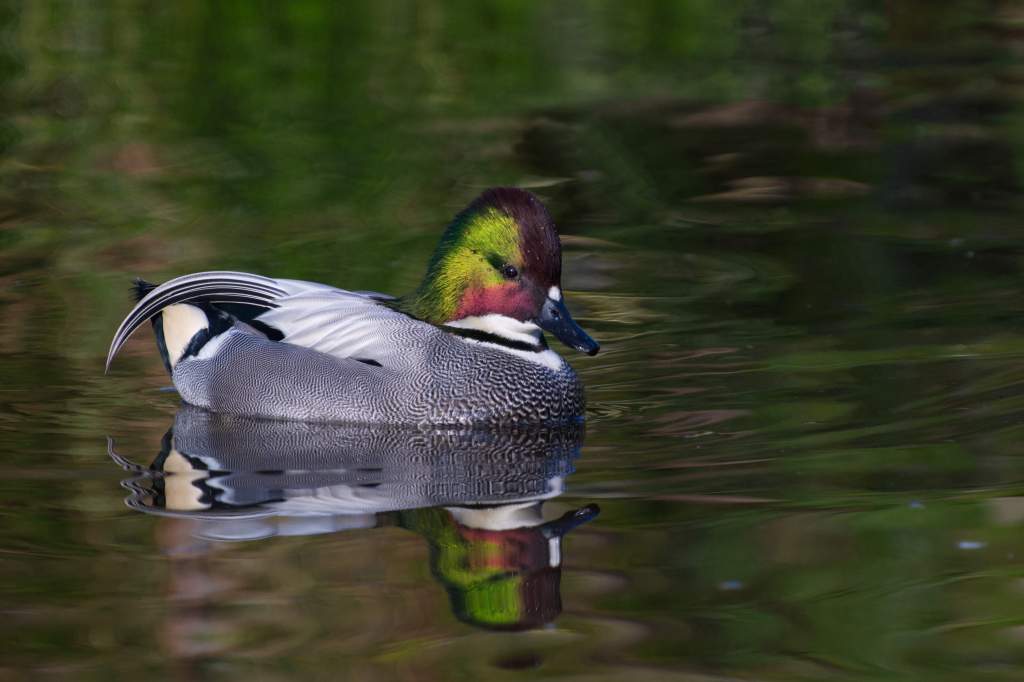
Not far from it, the falcated duck offers something more intricate. Its form is elegant, almost stylised, and when the light shifts across its feathers, subtle iridescence appears and disappears again, never quite settling long enough to be fully grasped.
Then the eye is drawn to something more theatrical.
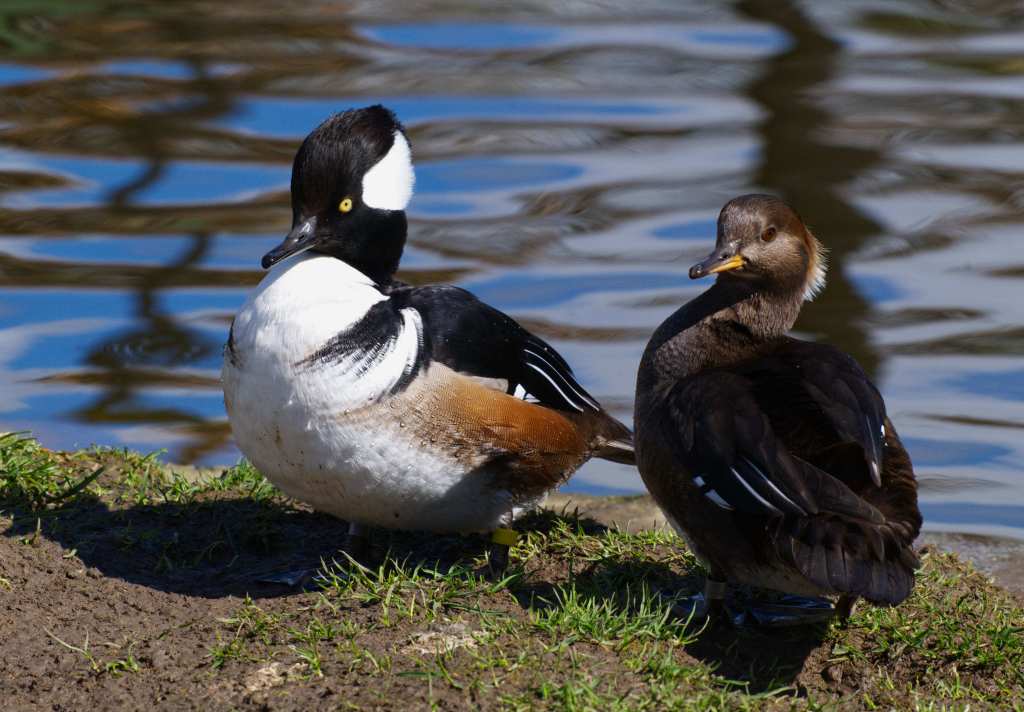
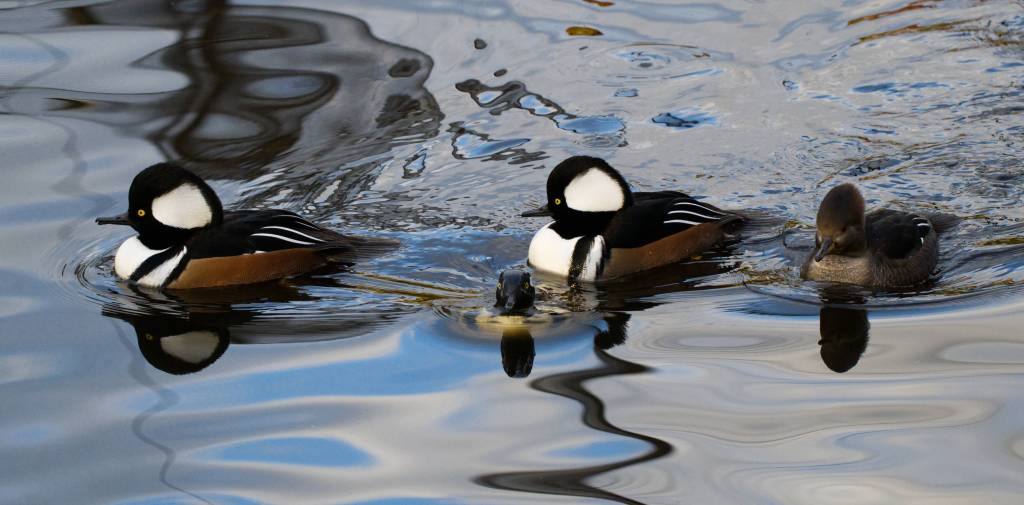
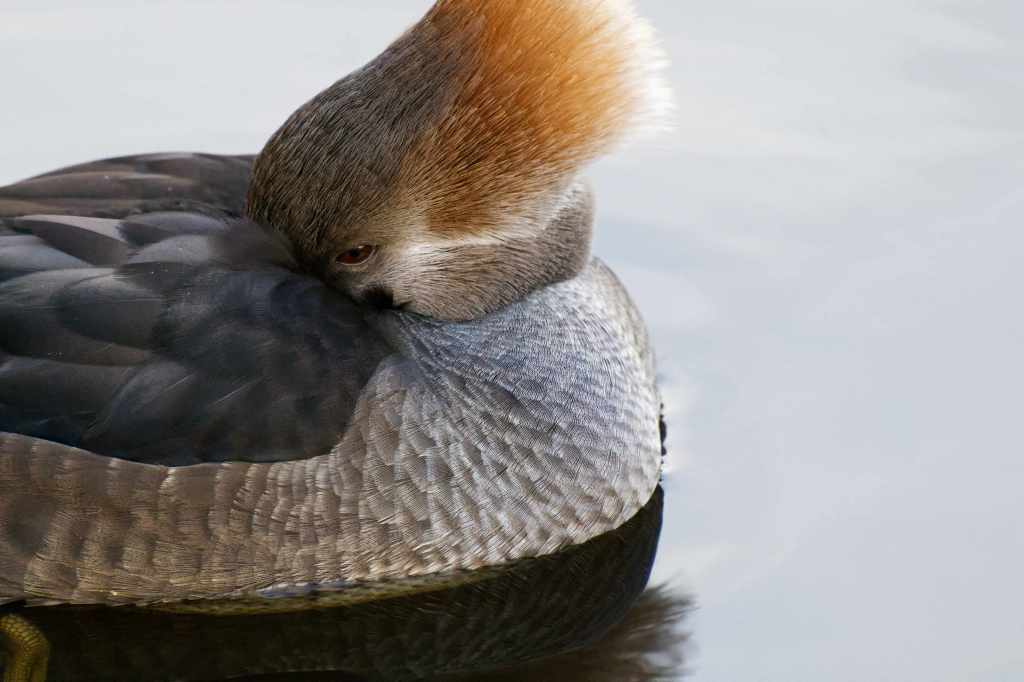
The hooded merganser does not rely on subtlety. Its crest, when raised, unfolds like a sudden declaration, transforming the bird’s entire silhouette in an instant. What was compact becomes expansive. What was understated becomes bold. Even at rest, there is a sense of potential, as though the display is always just one movement away. Watching it feels different from watching the others. There is anticipation built into the experience.
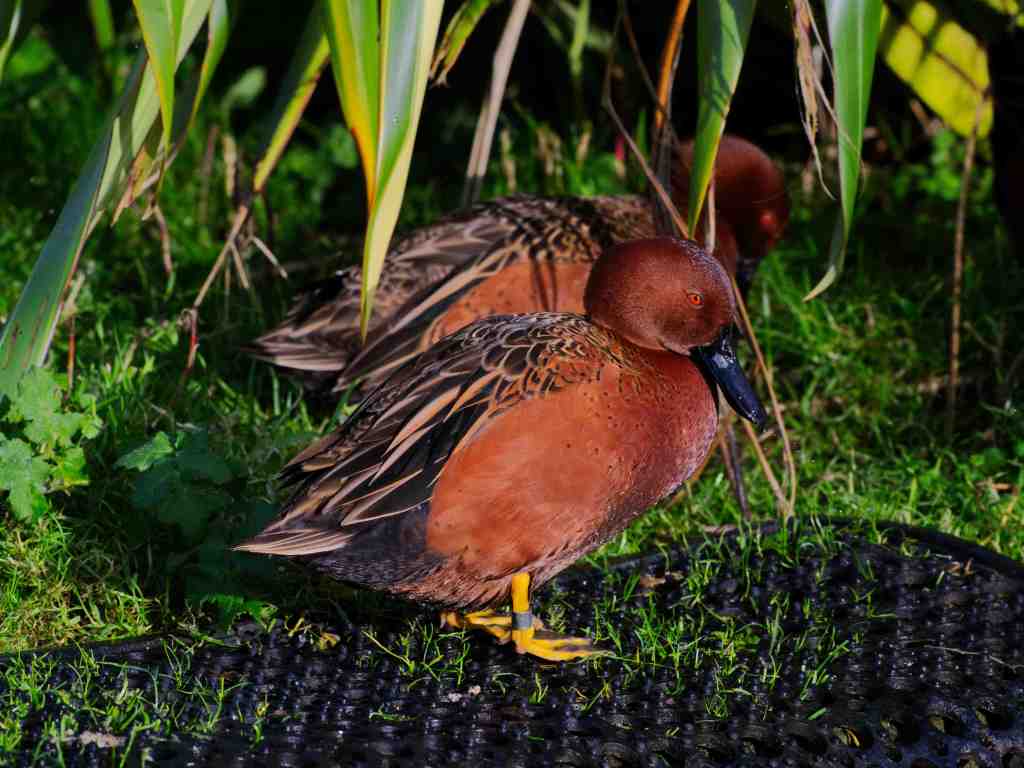
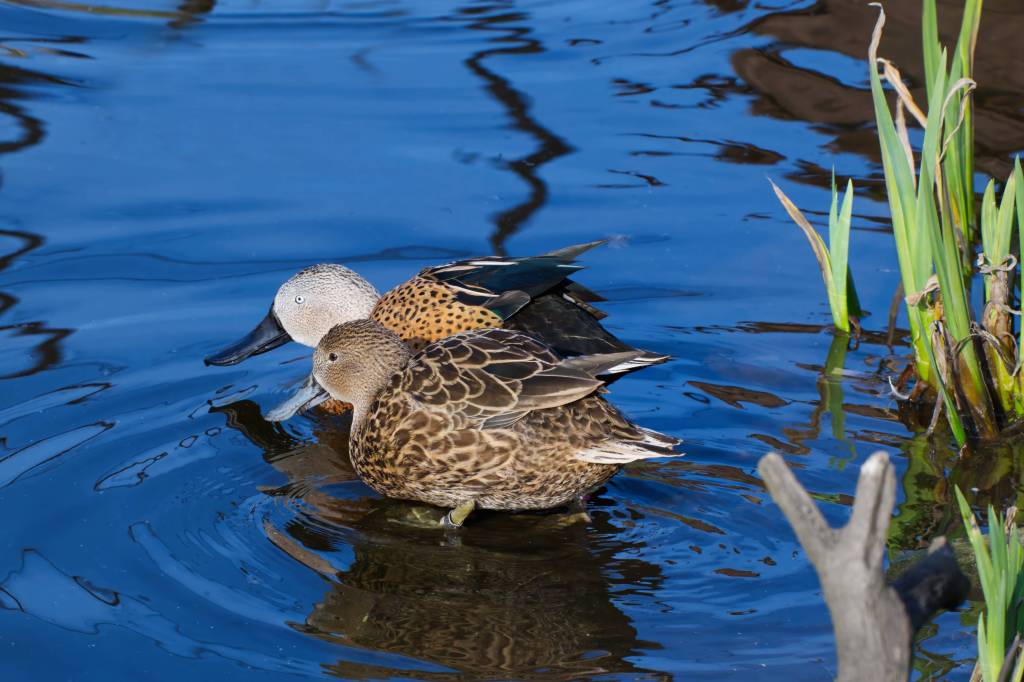
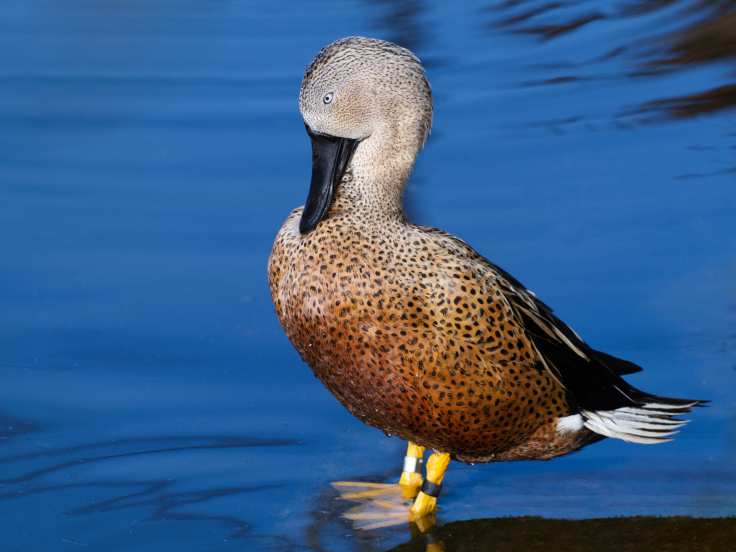
Close by, the cinnamon teal holds its colour with remarkable consistency, a rich, warm tone that seems almost immune to changing light. It moves with purpose but without urgency, its presence steady rather than showy. And then the red shoveler, unmistakable in both shape and behaviour, sweeps its broad bill through the water in a steady, side-to-side motion. It is methodical, almost mechanical, a visible reminder that every form here is the result of function refined over time.
Seen together, these birds begin to shift your expectations.
What starts as a general idea of “ducks” fractures into a spectrum of forms, behaviours, and presences. Each enclosure adds another variation, another small adjustment to the pattern. Familiarity gives way to specificity, and suddenly you are no longer looking at a category, but at individuals.
Time stretches here, not because there is little happening, but because there is too much to take in at once. Details multiply.
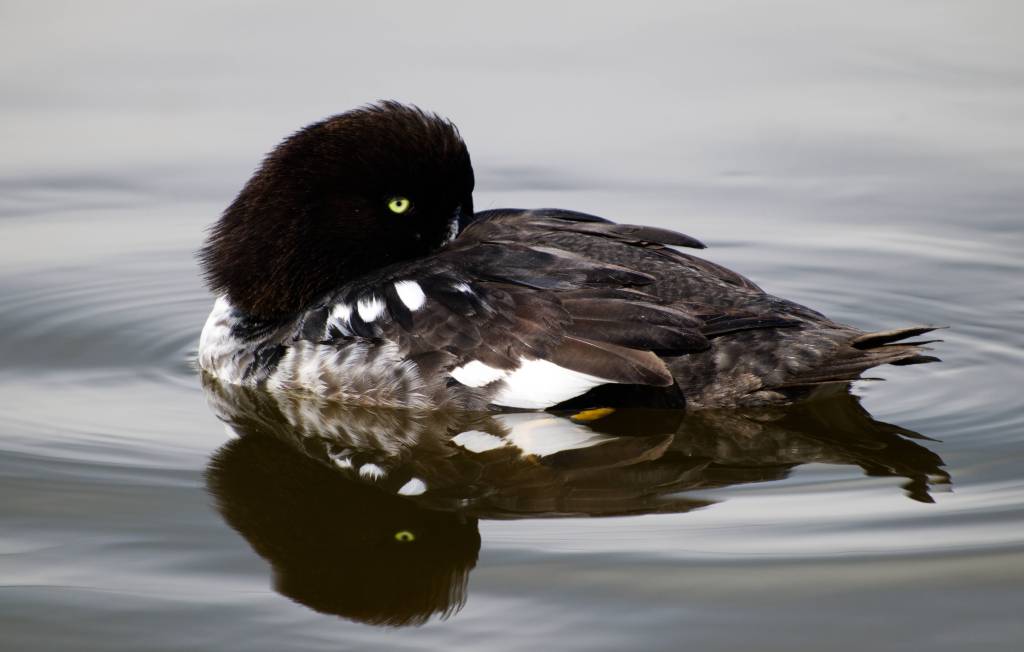
A duck preens with meticulous care, drawing each feather through its bill, maintaining the delicate architecture that keeps it waterproof and flight-ready. Another dozes, head tucked, balanced in a way that seems improbable until you realise it is perfectly natural.
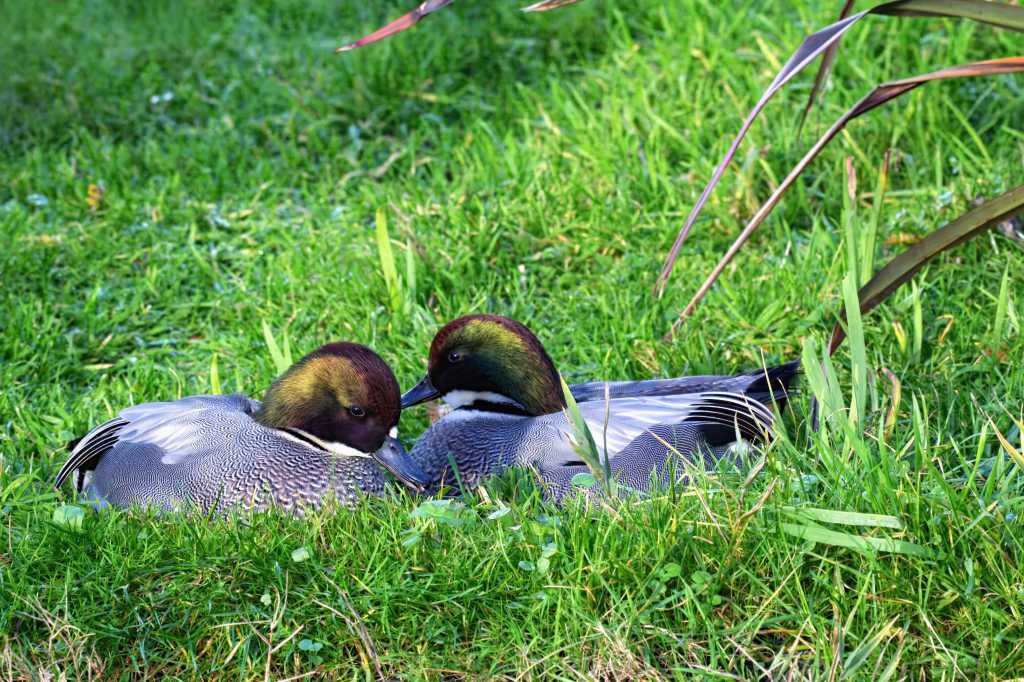
Two birds interact in a quiet exchange of posture and proximity. No drama, no obvious narrative, yet something meaningful passes between them.
Even the water participates. Ripples intersect, reflections fracture and reform, light dances in shifting patterns that never quite repeat.
This is the core of the experience. Not the rarity of the species, but the depth of looking.
Behind all of this lies intention.
The wildfowl within the enclosures are not simply there to be seen. Many are part of coordinated conservation efforts, breeding programmes that aim to safeguard species whose wild populations face pressure. Habitat loss, climate shifts, and human activity create challenges that extend far beyond the boundaries of the centre.
By maintaining these populations, the site becomes part of a larger network. A quiet alliance of places working to ensure that these birds remain more than photographs in a book.
The surrounding wetlands play their own role. Providing habitat for migratory and resident species alike, they act as a living system rather than a static display.
Visitors step into this system, whether they realise it or not. Observation becomes awareness. Awareness carries the potential for change.
It would be incomplete to leave without noting how much of this experience is not visual.
The air carries the scent of water and vegetation, a damp clarity that feels distinctly different from inland spaces. Underfoot, the textures shift from solid pathways to softer, more responsive ground.
Sound remains a constant companion. Even when birds are out of sight, they are rarely out of earshot. The wetlands speak continuously, a low, layered conversation that never quite resolves into silence.
Light behaves differently here too. It reflects, scatters, intensifies. At times it illuminates a bird so precisely that every feather edge becomes visible. At others, it flattens the scene into silhouette, turning detail into shape.
The brief encounter lingers, a fleeting memory of movement, colour, and quiet presence that stays just long enough to matter.
Yet something remains.
A recalibrated sense of attention, perhaps. A recognition that even the most familiar forms can hold complexity when given time. Ducks, often overlooked, reveal themselves here as both diverse and precise, each species carrying a different solution to the same basic equation of water, flight, and survival.
Castle Espie does not shout its importance. It accumulates it, quietly, through detail, through variation, through the simple act of letting you stand still long enough to notice.
And in that noticing, the world expands.


Leave a Reply