
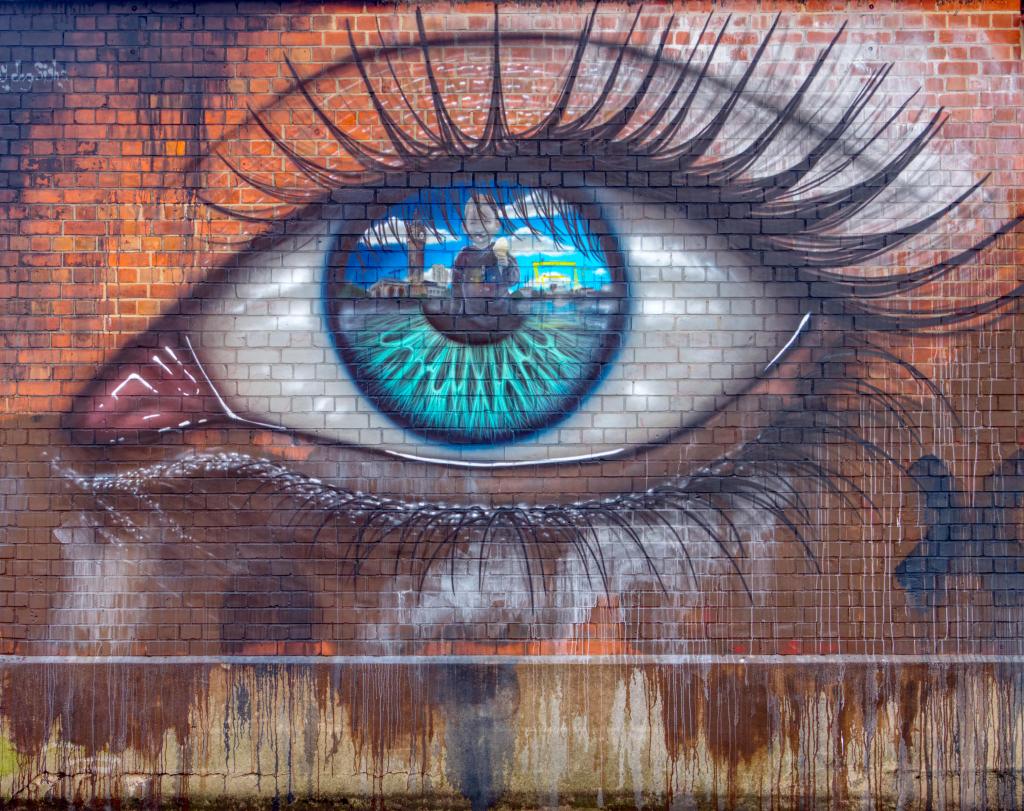
Belfast is a city where the surface of things is never just a surface. The walls here do not simply divide streets or support roofs; they act as memory-keepers, storytellers, and sometimes as loudspeakers for entire communities. To walk through the city is to move through a layered visual archive where paint, paste, stencil, and brick combine into something closer to a living manuscript than a conventional urban landscape. Street art in Belfast did not arrive as a trend imported from elsewhere, nor did it evolve purely as aesthetic expression; instead, it grew out of political tension, industrial decline, cultural resilience, and a deeply rooted habit of turning public space into narrative space. Over time, what began as territorial muralism transformed into one of Europe’s most complex and emotionally charged street art cultures, shaped as much by history as by imagination.
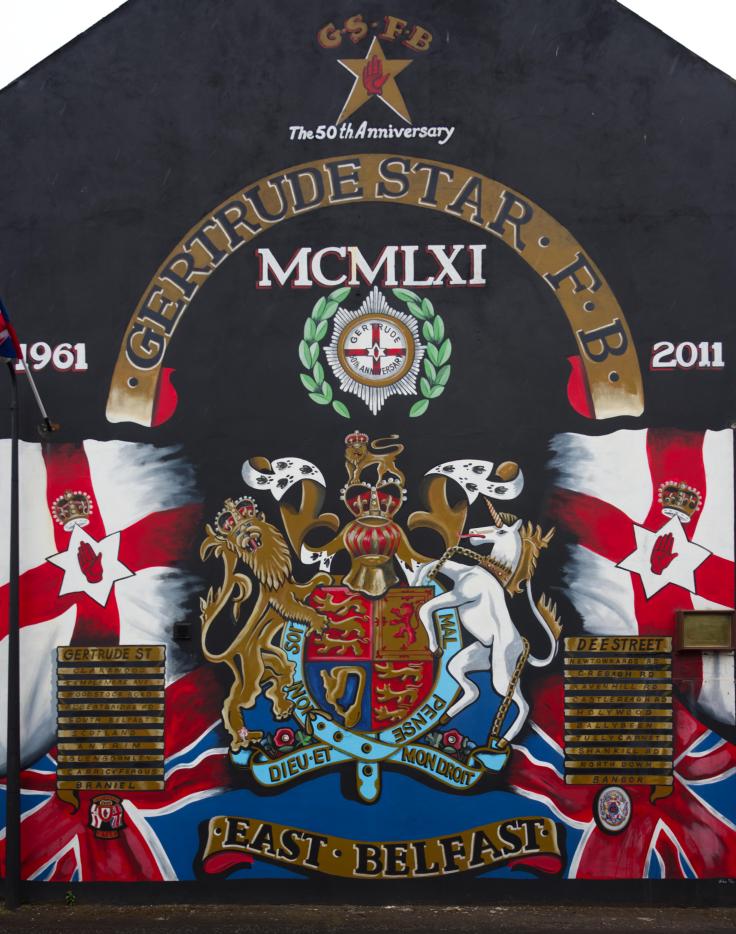
The earliest and most defining influence on Belfast’s visual identity came during the period known as the Troubles, when murals became a dominant form of public communication across divided communities. These were not decorative interventions but declarations of identity, allegiance, grief, and resistance. In nationalist areas, walls often carried imagery tied to Irish republicanism, civil rights struggles, and historical symbolism, while in unionist districts, murals frequently referenced British identity, military heritage, and loyalist organisations.
The city effectively became a patchwork of visual territories, where each neighbourhood used imagery as a form of expression that was both communal and defensive. Unlike gallery art, these murals were not designed for contemplation in isolation; they were embedded in daily life, encountered on the way to school, work, or the corner shop, and they carried immediate social meaning.
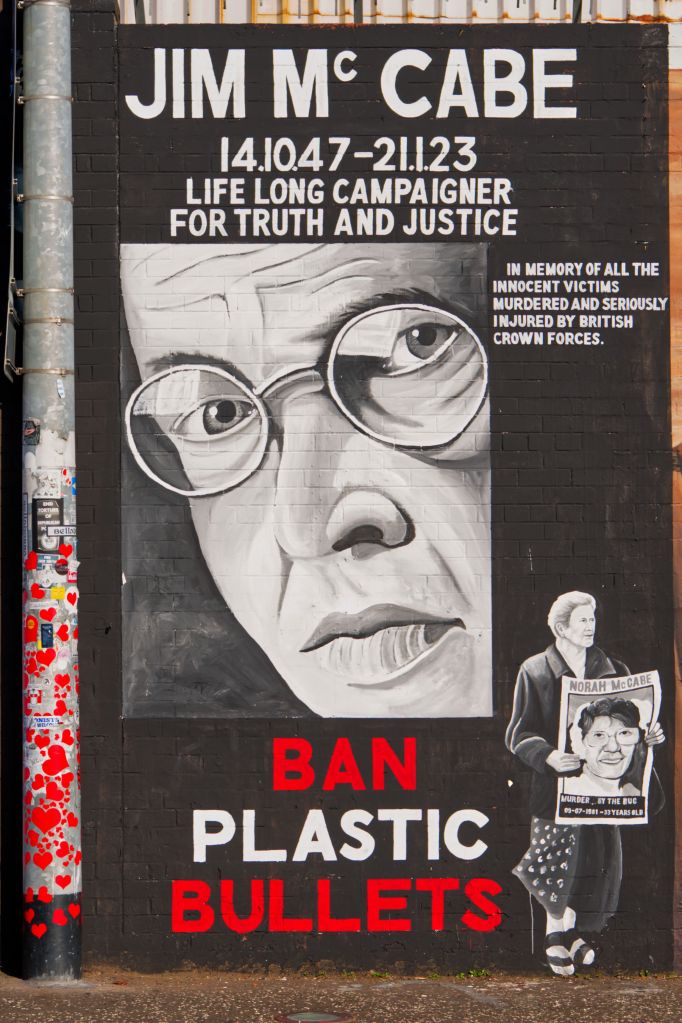
As the political situation gradually shifted following the Good Friday Agreement in 1998, the visual language of Belfast also began to change, although not in a sudden or uniform way. The transition from conflict to post-conflict society created a complex environment in which older murals remained in place while new forms of expression began to emerge alongside them.
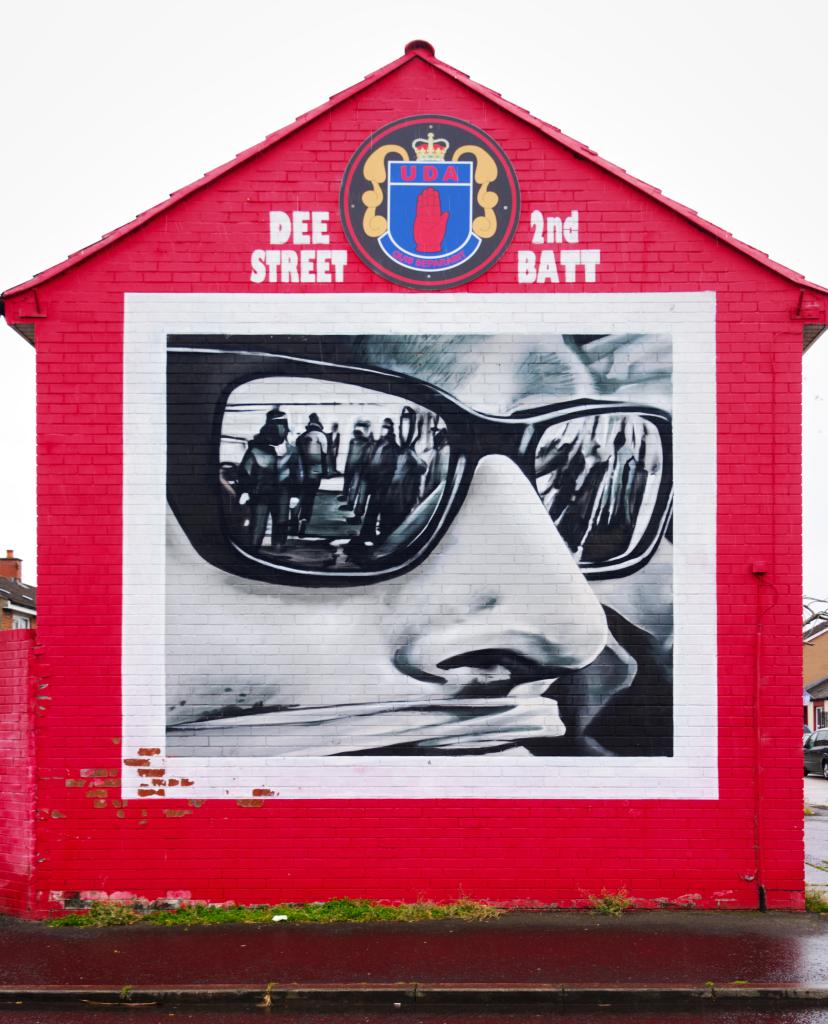
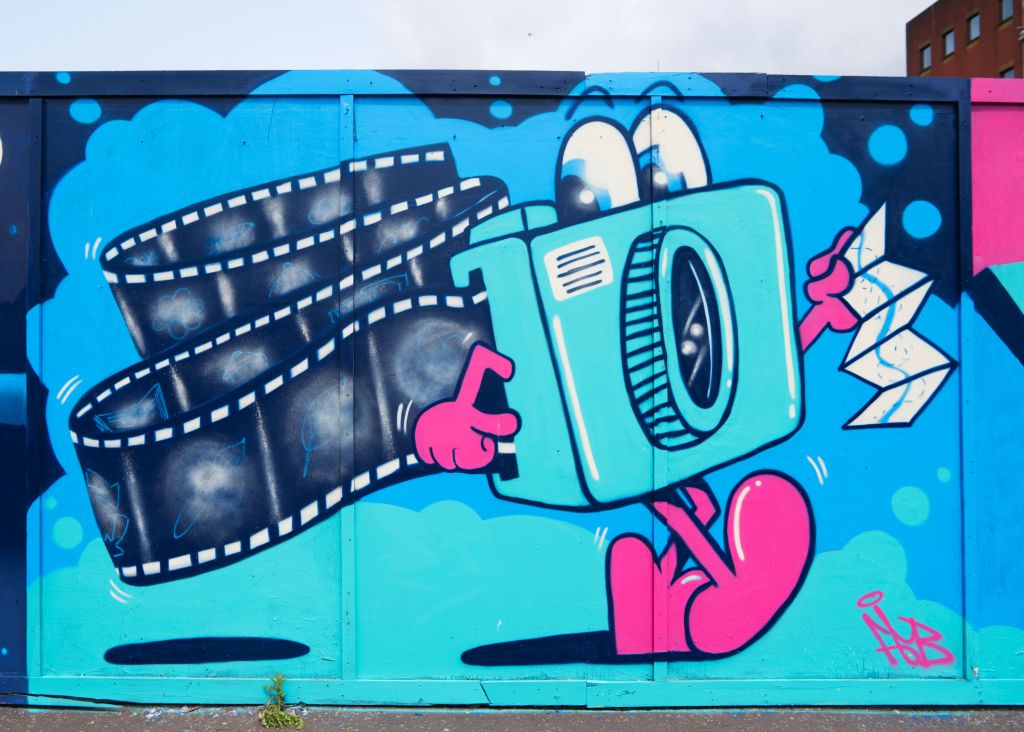
The city’s street art scene has shifted. Artists who had grown up surrounded by politically charged imagery started experimenting with different styles, influenced by global graffiti culture, European muralism, punk aesthetics, and contemporary illustration. This shift did not erase the past but rather added new layers to it, resulting in a city where historical symbolism and modern experimentation coexist on adjacent walls, sometimes in harmony and sometimes in tension. Today, walking through Belfast means moving through multiple visual identities at once. In some streets, older murals connected to the Troubles still hold their place as reminders of the city’s divided history. In others, those walls have been replaced entirely with newer work focused on community projects, cultural identity, music, sport, wildlife, or modern social issues. The shift was not a rejection of history but an expansion of possibility. Where earlier murals focused on collective identity and political messaging, newer works began to explore abstraction, portraiture, humour, surrealism, and personal narrative. The walls remained public, but their function broadened. They became spaces for experimentation as well as memory.
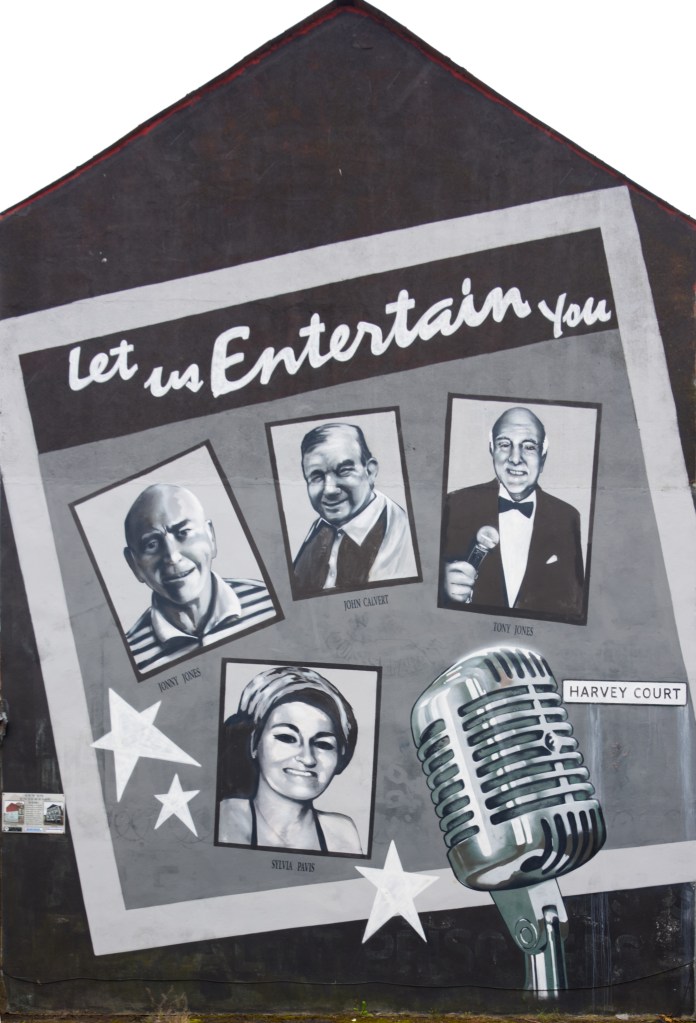
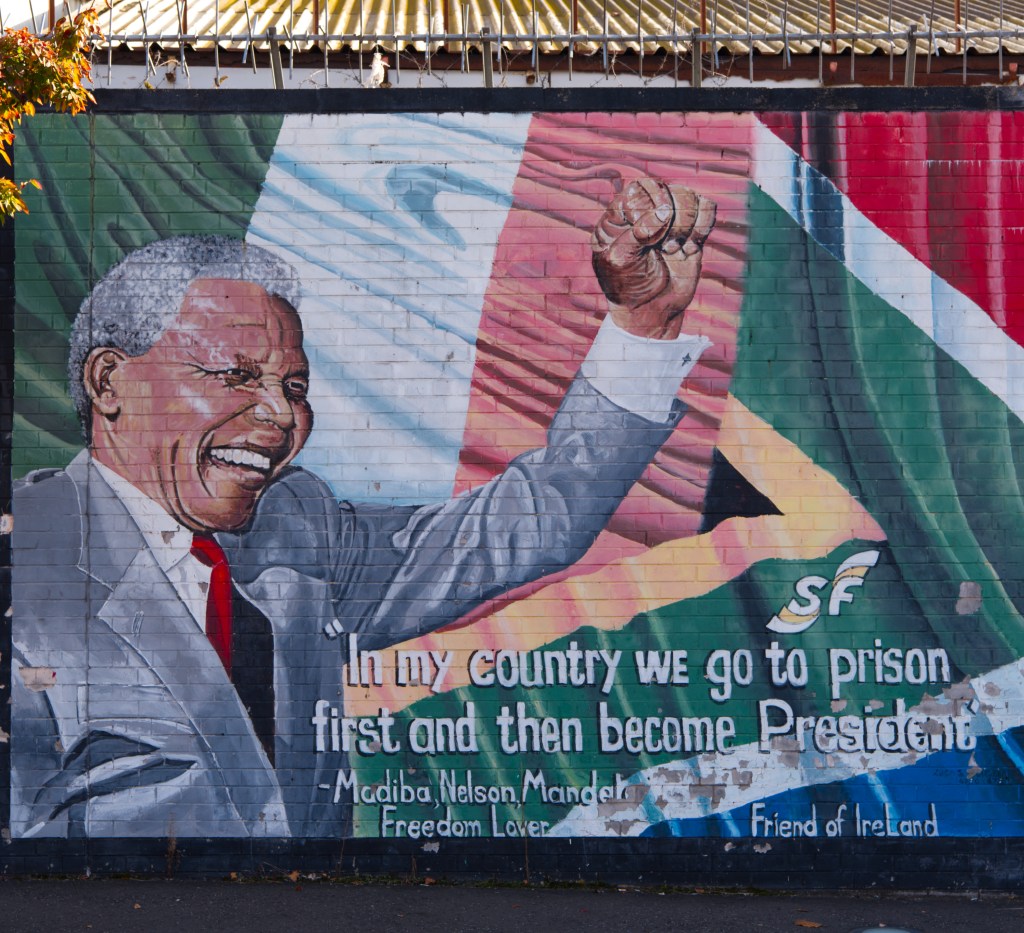
The Cathedral Quarter has become one of the clearest examples of that transition. The area feels noticeably different from the politically marked neighbourhoods that shaped Belfast’s earlier mural culture. Here, the streets are filled with contemporary mural work, graphic lettering, portraits, abstract pieces, and rotating public art projects that reflect the city’s creative scene rather than its historic divisions. The walls change regularly, with older work painted over or replaced as new commissions appear. Rather than preserving a fixed identity, the area constantly updates itself.
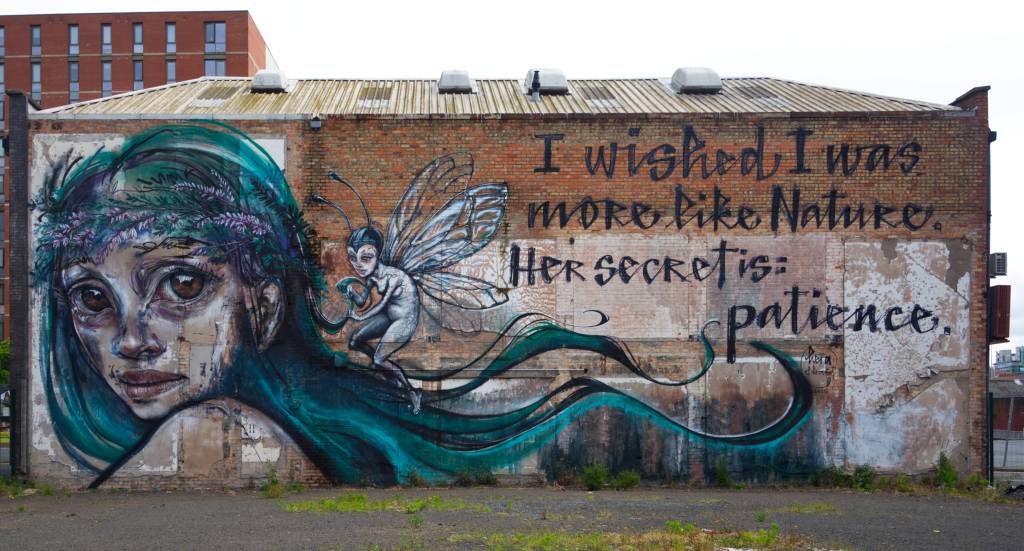
Walking through these streets, it becomes clear that Belfast’s street art does not operate on a linear timeline. Instead, it behaves more like a conversation that never stops evolving. A mural may begin as a commissioned piece, only to be partially obscured by graffiti or weathering, which in turn becomes part of its meaning. Another work might appear overnight, shift the tone of an entire street, and then be replaced within weeks. The city does not preserve its street art in a fixed state; it allows it to remain vulnerable to time, weather, and human intervention. This impermanence gives the work a particular intensity, as each piece exists within a constant awareness of its own potential disappearance.
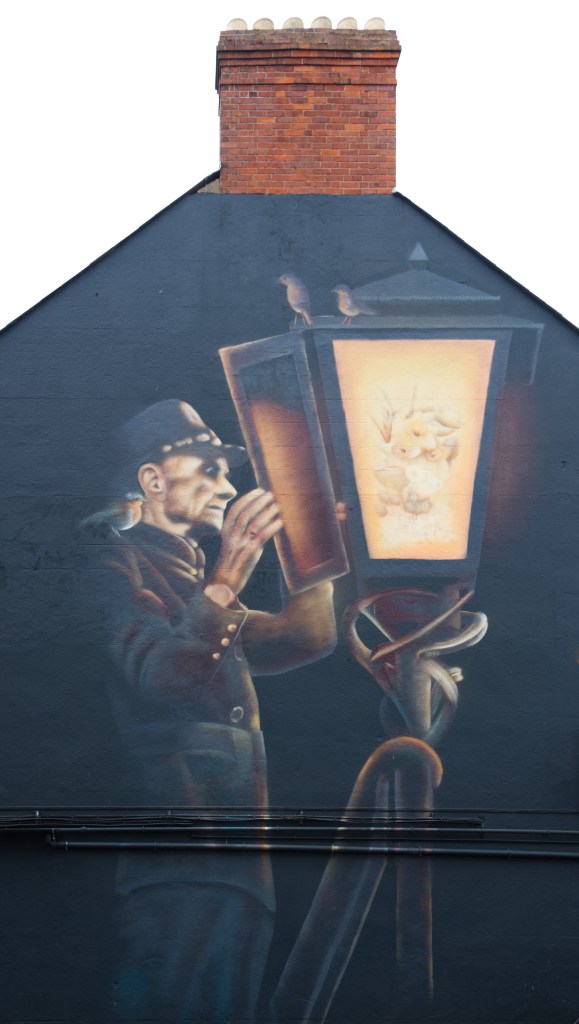
Much of the newer artwork in Belfast feels lighter in tone than the murals associated with earlier decades. Community art projects have become increasingly common, especially in residential areas where organisations and local groups have worked to replace harder imagery with something more open and welcoming. Murals celebrating local musicians, sporting figures, literature, shared spaces, and neighbourhood history now sit where more confrontational imagery once existed. In some parts of the city, brightly coloured walls featuring birds, flowers, children’s artwork, or playful typography have softened streets that once carried a much heavier visual atmosphere.
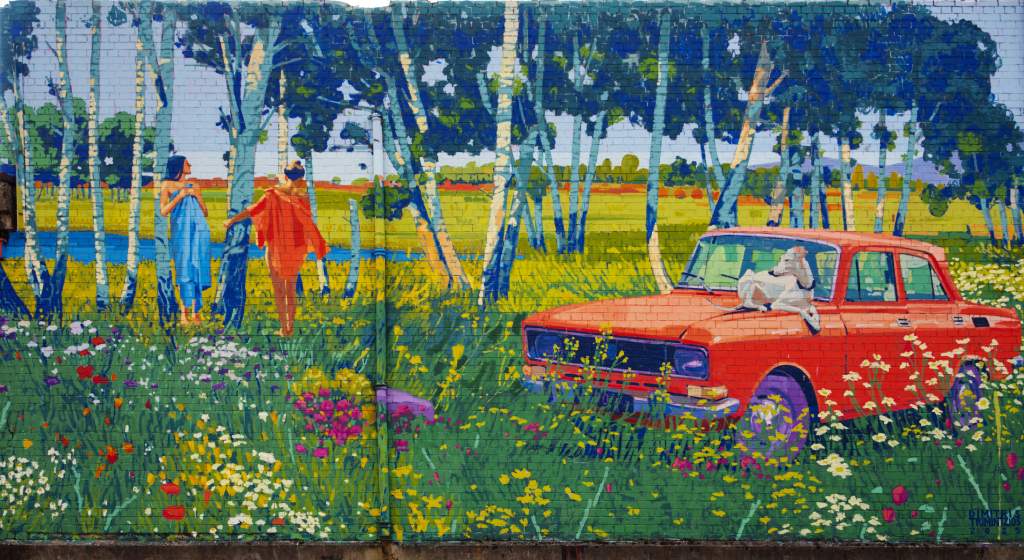
This shift has changed the emotional tone of many areas. Walls that once communicated separation or tension now often feel more focused on local pride and collective identity. Public art has increasingly become part of regeneration projects aimed at changing how certain districts feel both for residents and visitors. In some streets, murals now function almost like landmarks, helping define an area visually without carrying the same political weight they once did.
That does not mean Belfast’s street art has become entirely apolitical. Politics still exists on the walls, but the focus has evolved. Contemporary murals are more likely to reflect current social concerns rather than the territorial messaging that once dominated the city. World issues like immigration, language, equality, climate concerns, and conflict all appear in modern street art across Belfast. The city still uses walls to speak, but the subjects have broadened significantly.
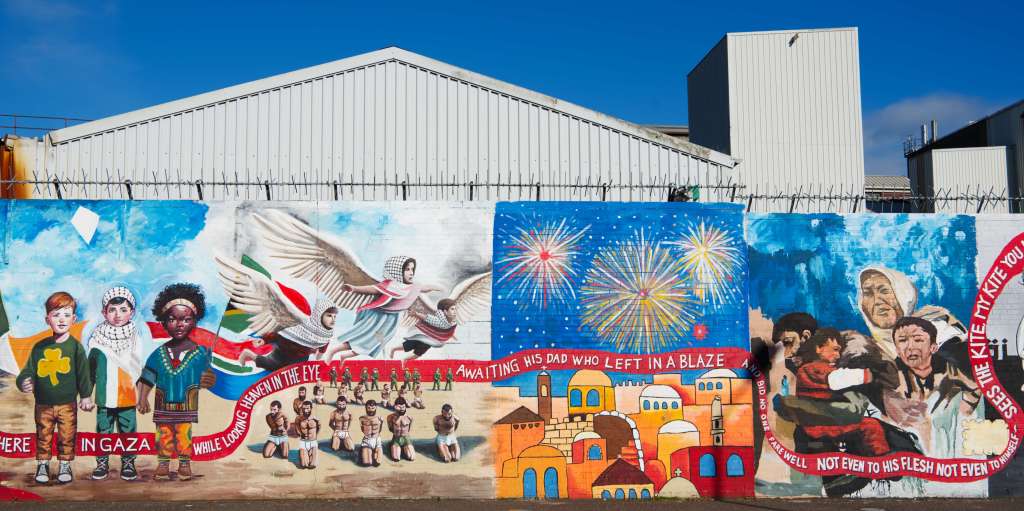
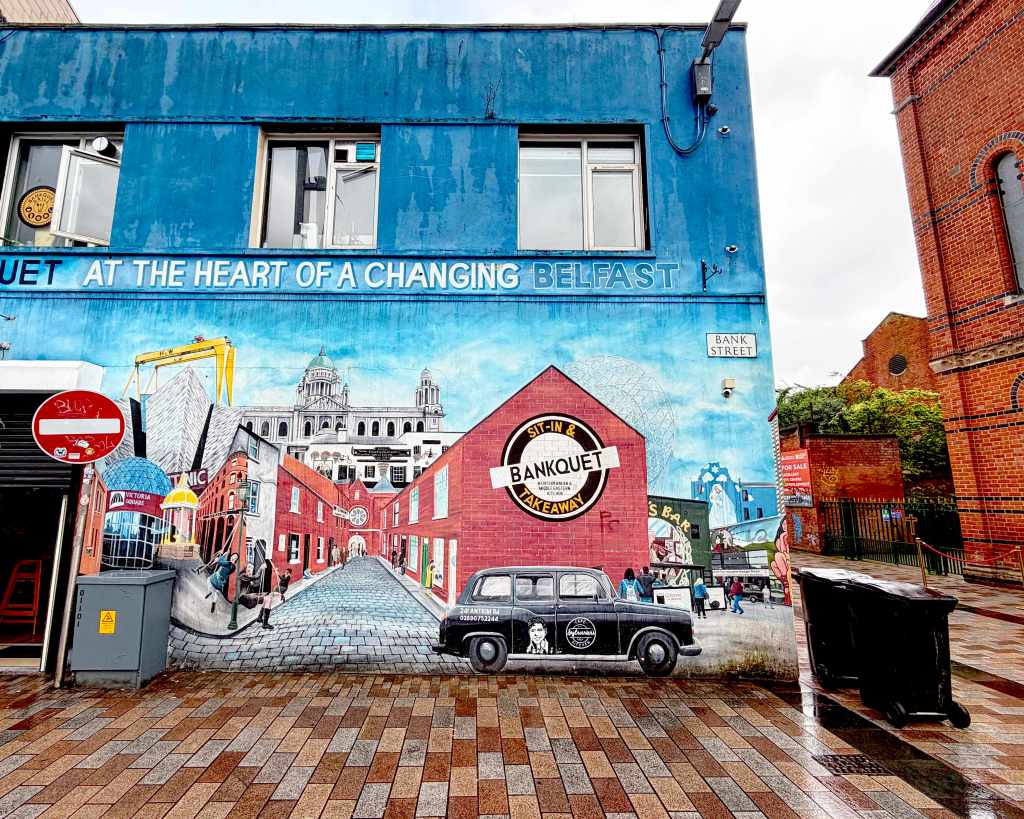
One of the most noticeable developments in recent years has been the rise of large-scale building murals across Belfast. Entire facades are now treated as single canvases, with artists using several storeys of wall space to create pieces visible from long distances across the city. These murals have become defining features of certain districts, particularly in areas undergoing redevelopment or cultural investment.
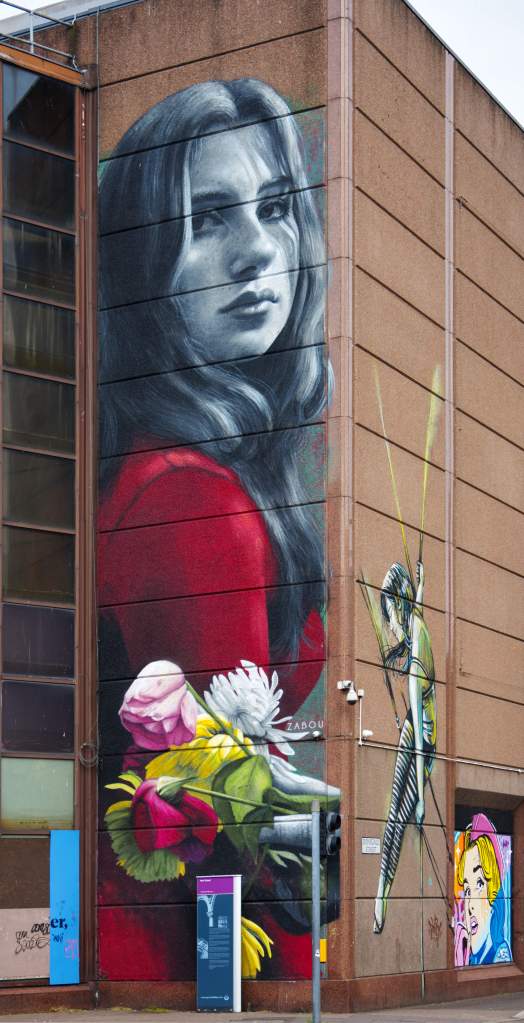
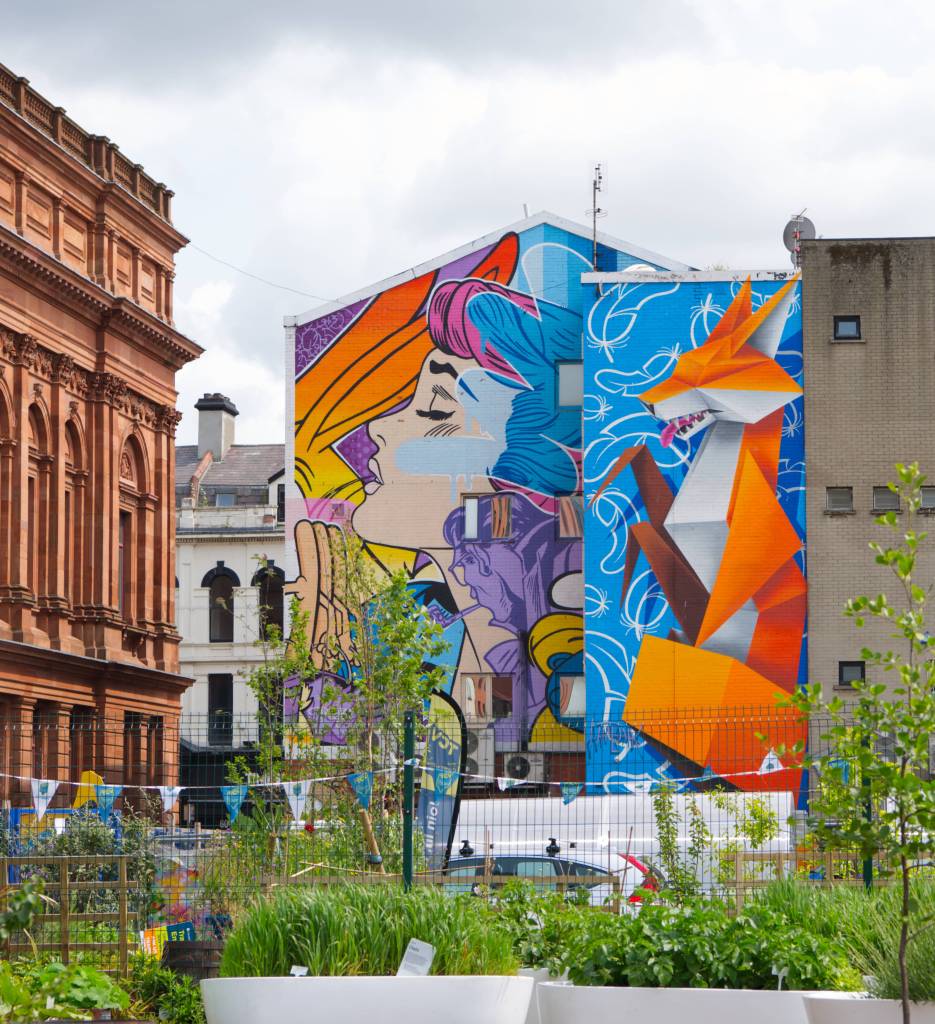
Unlike smaller street pieces tucked into alleyways or side streets, these full-building works change the feel of entire blocks. A blank industrial wall can suddenly become the visual centre of a street once covered in colour and movement. Windows, rooflines, and architectural features are often built directly into the artwork itself, making the building feel less like a backdrop and more like part of the composition.
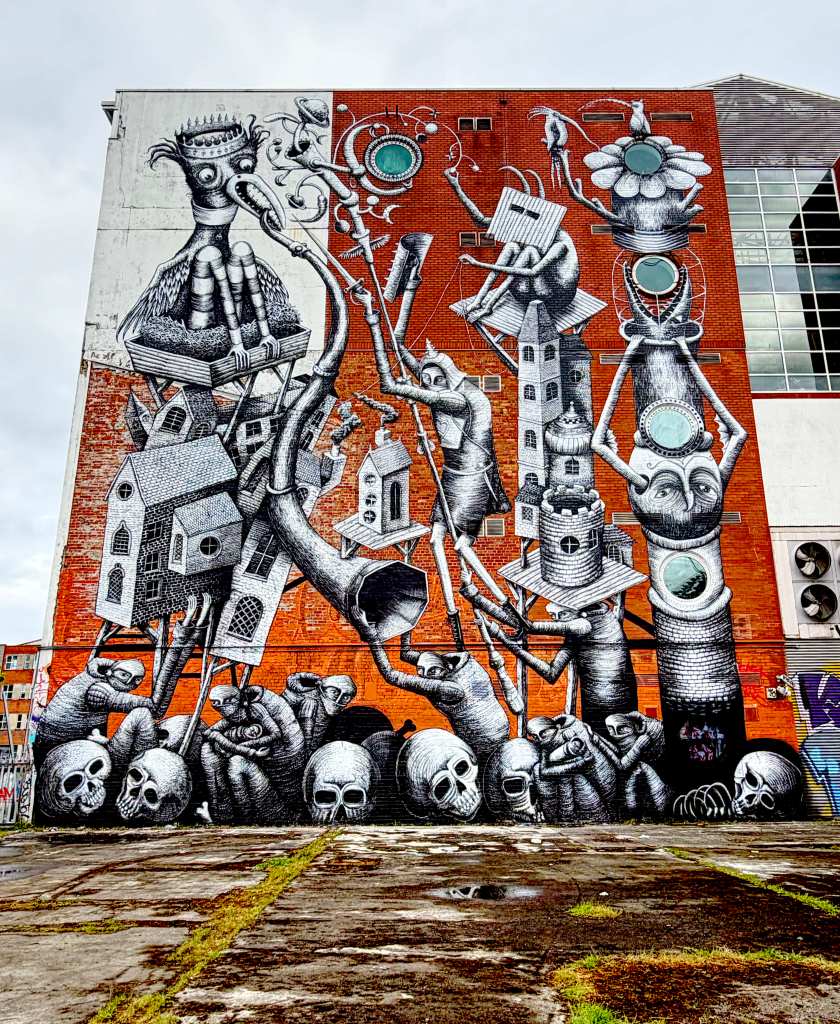
At the same time, Belfast’s peace walls remain some of the most complex and emotionally charged surfaces in the city. Originally constructed as physical barriers during periods of intense conflict, they now function as layered cultural spaces where murals, graffiti, messages, and memorial imagery coexist. These walls are not static monuments but evolving environments. They hold contradictions without resolving them, serving simultaneously as reminders of separation and platforms for expression. Visitors often leave handwritten messages alongside painted works, adding yet another layer to surfaces already dense with meaning. In these spaces, public art becomes something closer to a collective archive, shaped by thousands of individual contributions over time.
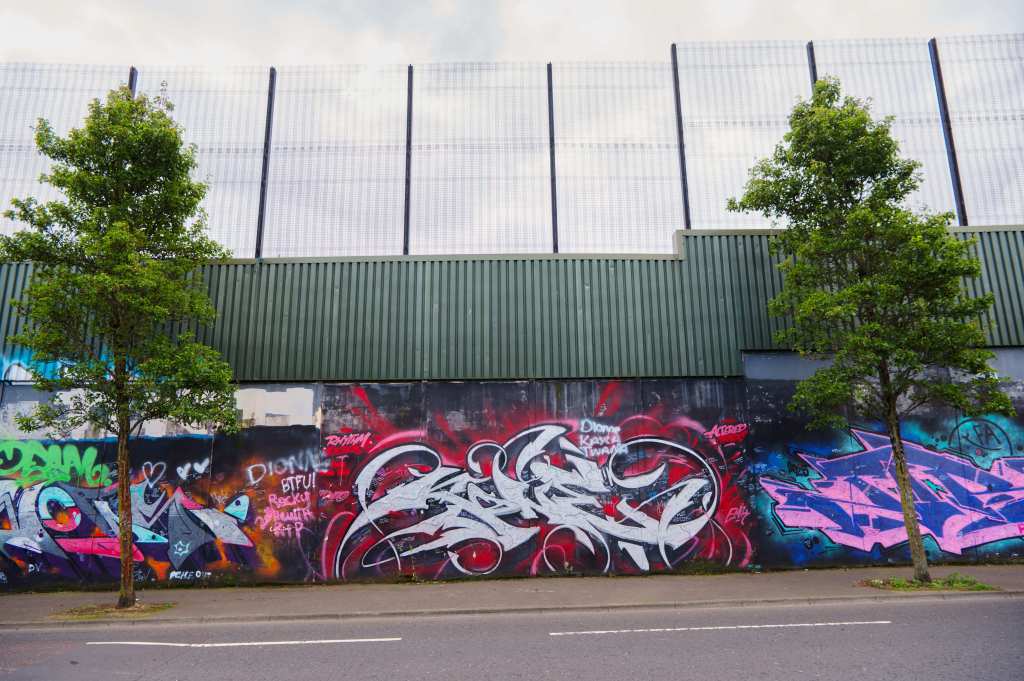
Graffiti culture continues to exist alongside commissioned mural work, maintaining an underground current that keeps the city’s visual ecosystem dynamic. Graffiti writers focus on lettering, tagging, and stylistic innovation, often working in less visible or more transient locations such as industrial zones, railway corridors, and abandoned structures. While this work is sometimes seen as separate from formal street art, it plays an essential role in sustaining the broader culture of visual expression. It ensures that not all imagery is sanctioned, curated, or commercially supported, preserving an element of spontaneity that keeps the city’s walls unpredictable.
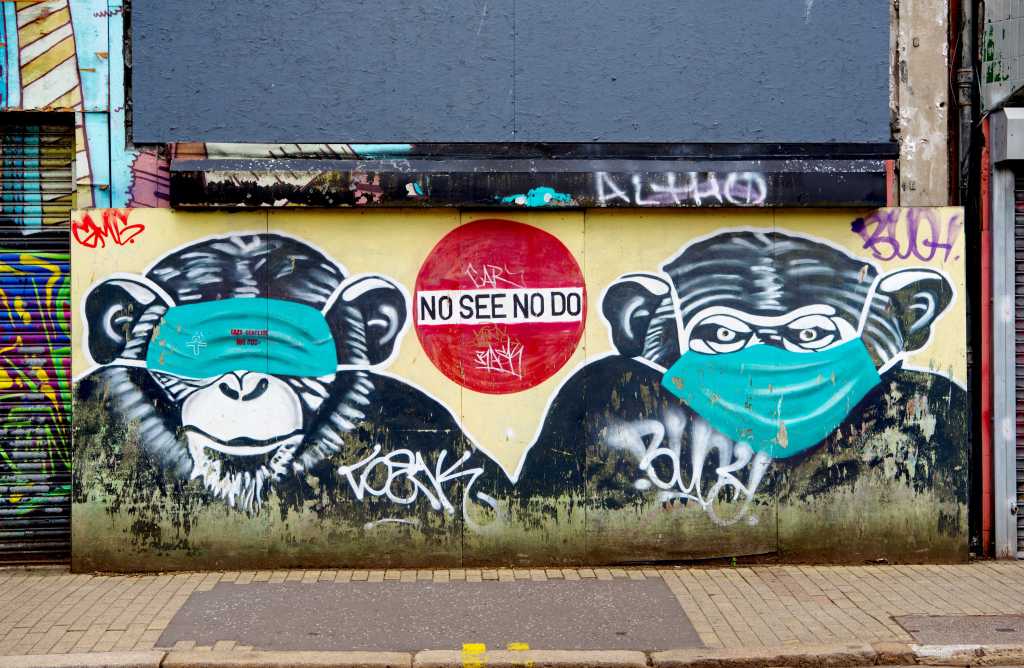
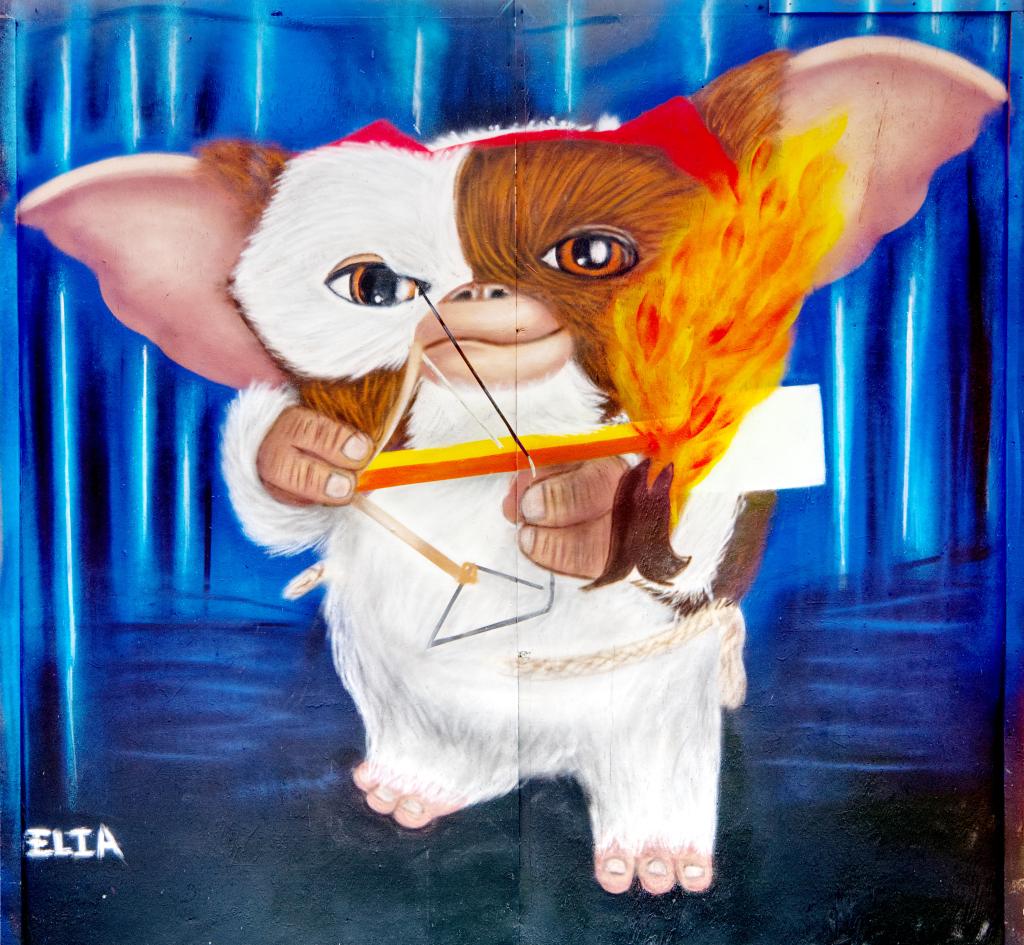
Humour plays an important role in how Belfast expresses itself visually. Even in a city shaped by difficult history, humour functions as a form of resilience and commentary. Satirical murals, ironic slogans, and unexpected visual interventions appear throughout the urban landscape, often interrupting more serious imagery with moments of levity. This interplay between gravity and humour is not incidental; it reflects a cultural tendency to process complexity through wit and irony. The walls, in this sense, become spaces where seriousness and absurdity coexist without contradiction.
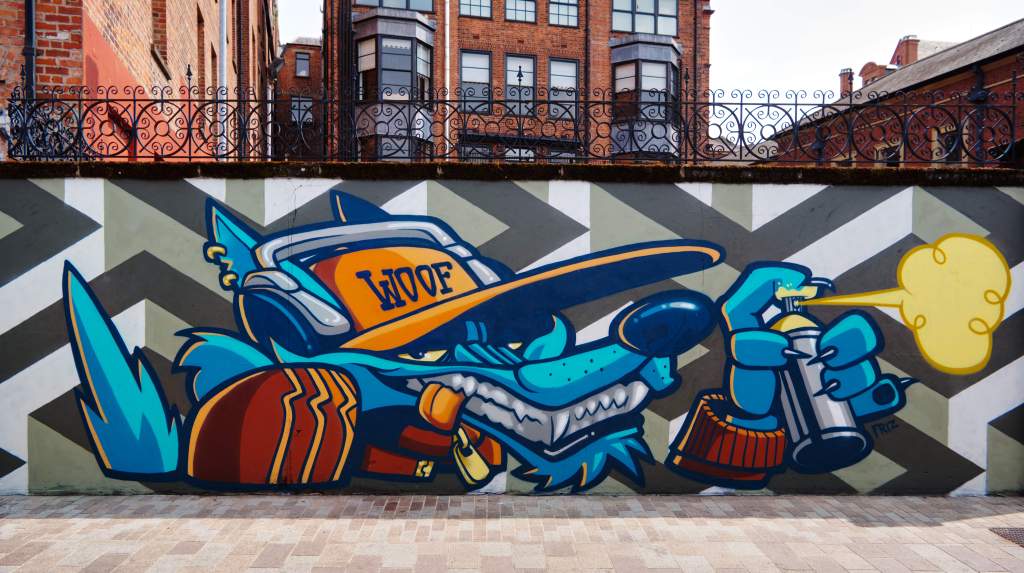
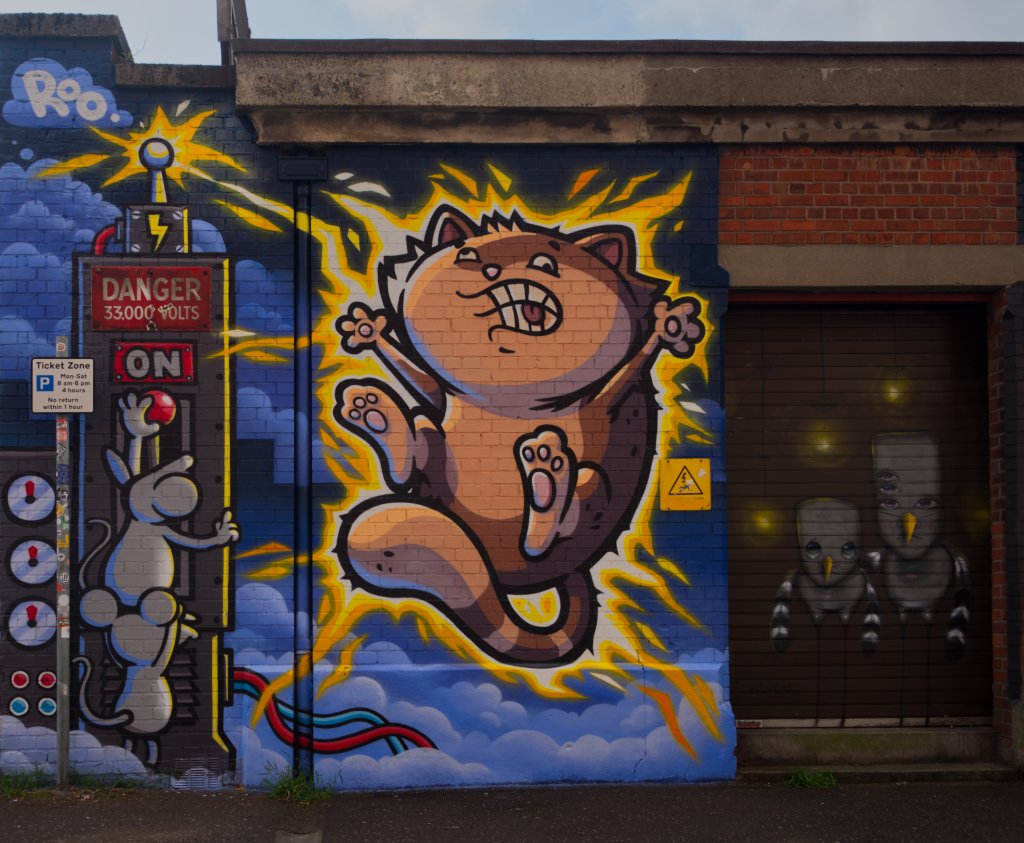
The physical environment of Belfast also contributes significantly to the character of its street art. The city’s industrial heritage, particularly its shipbuilding past, has left behind a landscape of warehouses, docklands, and structural remnants that provide ideal surfaces for large-scale artistic work. These structures are not neutral backgrounds; they actively shape how art appears and ages. Rust, peeling paint, cracked brick, and weathered concrete interact with applied imagery in ways that cannot be replicated in controlled environments. The Atlantic climate further accelerates this process, ensuring that no mural remains visually static for long. Weather becomes an unofficial collaborator, constantly altering the appearance of the city’s visual output.
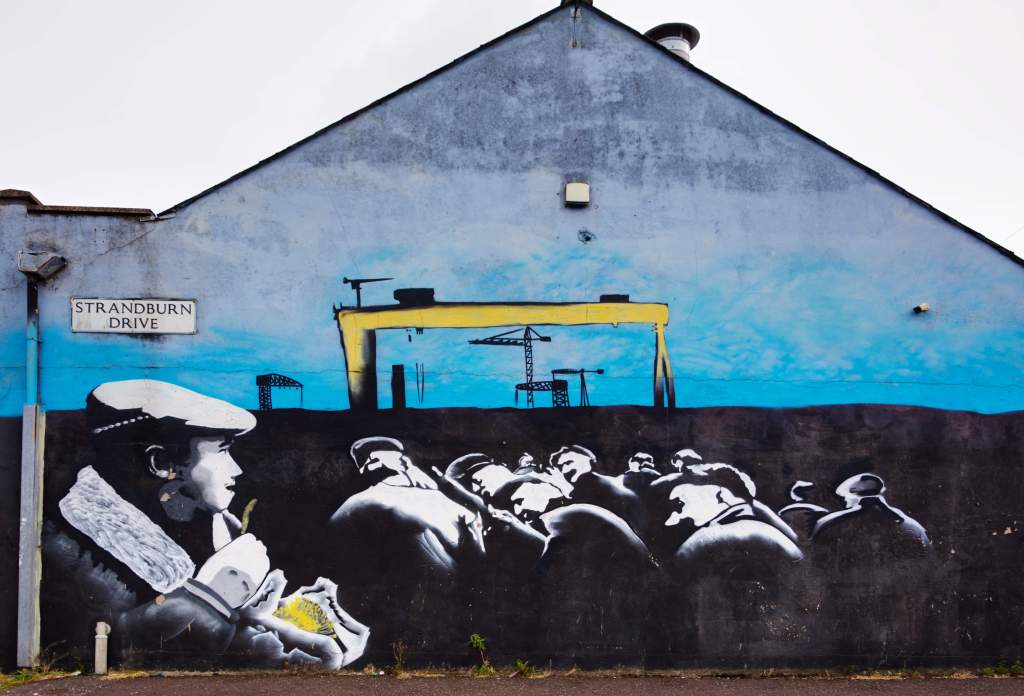
The changing nature of Belfast’s street art also reflects broader shifts happening across the city itself. Areas once associated mainly with industrial decline or political division now contain cafés, creative studios, music venues, independent businesses, and shared public spaces. The artwork surrounding those places often reflects that transition. Murals increasingly celebrate culture, creativity, humour, and local character rather than conflict alone.
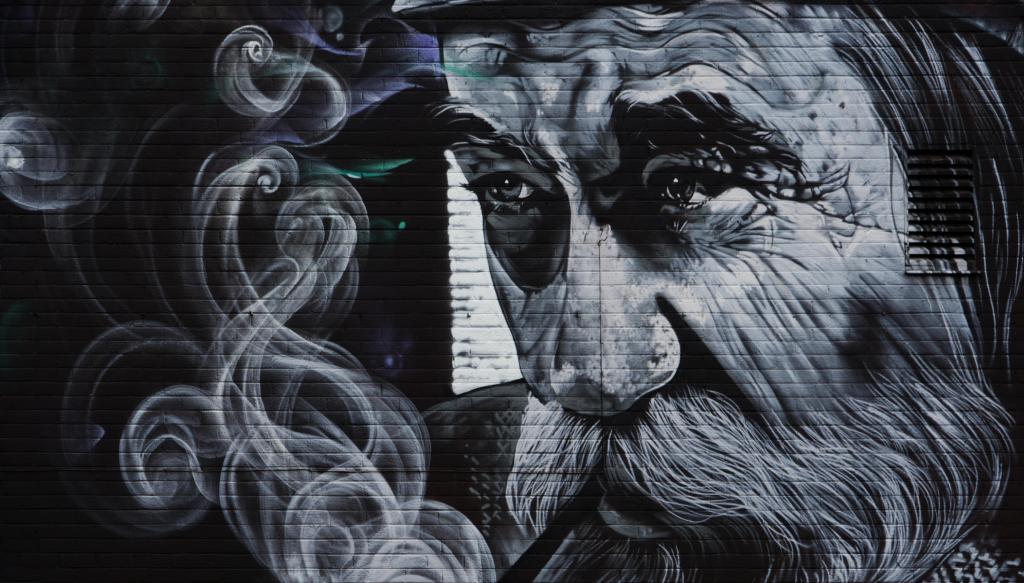
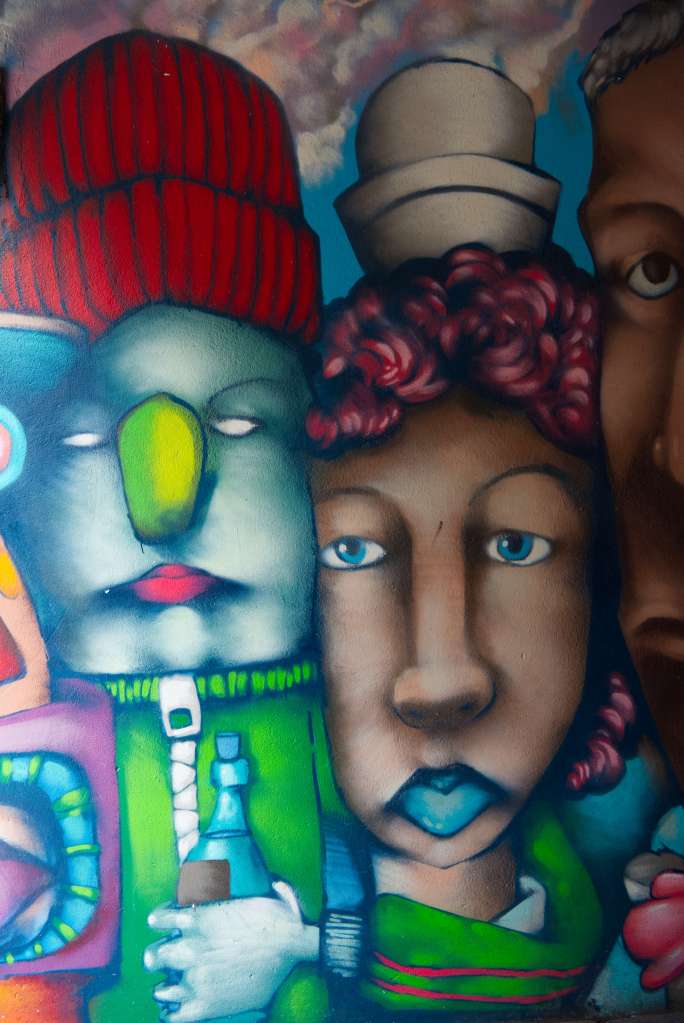
Younger generations growing up in post-conflict Belfast engage with street art in ways that reflect both local history and global culture. While the legacy of division has not disappeared, it no longer defines the entirety of visual expression. Contemporary works frequently incorporate influences from digital aesthetics, skate culture, hip-hop, gaming, anime, fashion, and online visual languages. These references sit alongside more traditional motifs, creating a layered identity that is more fluid than fixed. The result is a visual culture that reflects a city connected to global networks while still grounded in its own specific history.
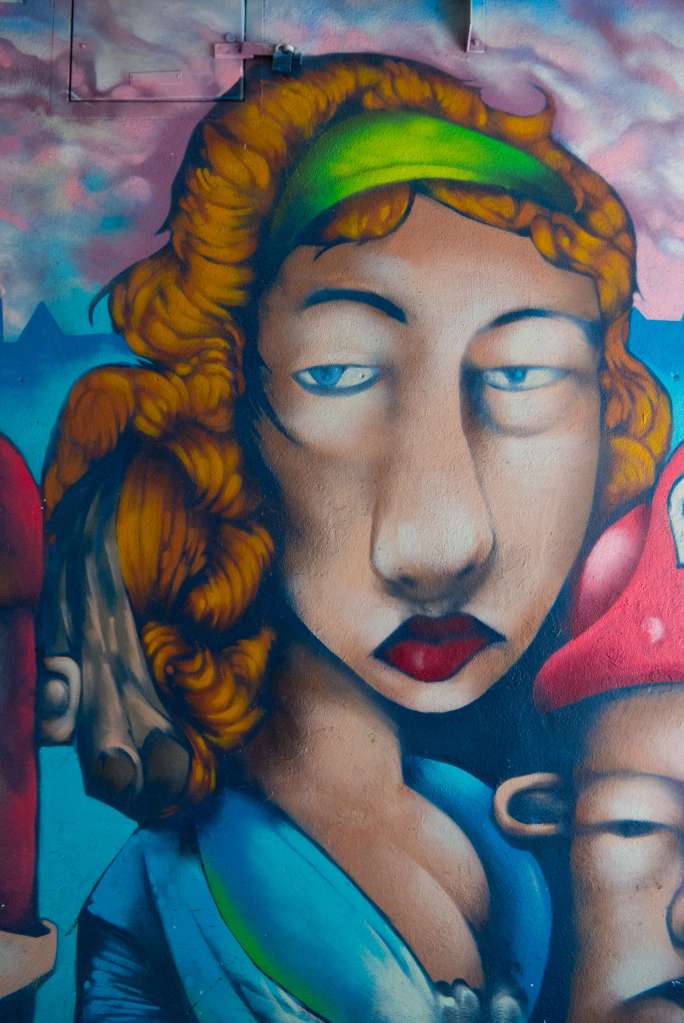
Women artists have become a key part of this landscape, contributing perspectives that broaden the thematic range of Belfast’s street art. Their work often engages with personal narrative, emotional experience, gender identity, and social commentary in ways that contrast with the historically dominant focus on political symbolism. Large-scale portraits, in particular, have become a powerful form of intervention within public space, creating moments of intimacy within the scale of the city. These images can shift the tone of entire streets, introducing a sense of presence and reflection that alters how people move through urban environments.
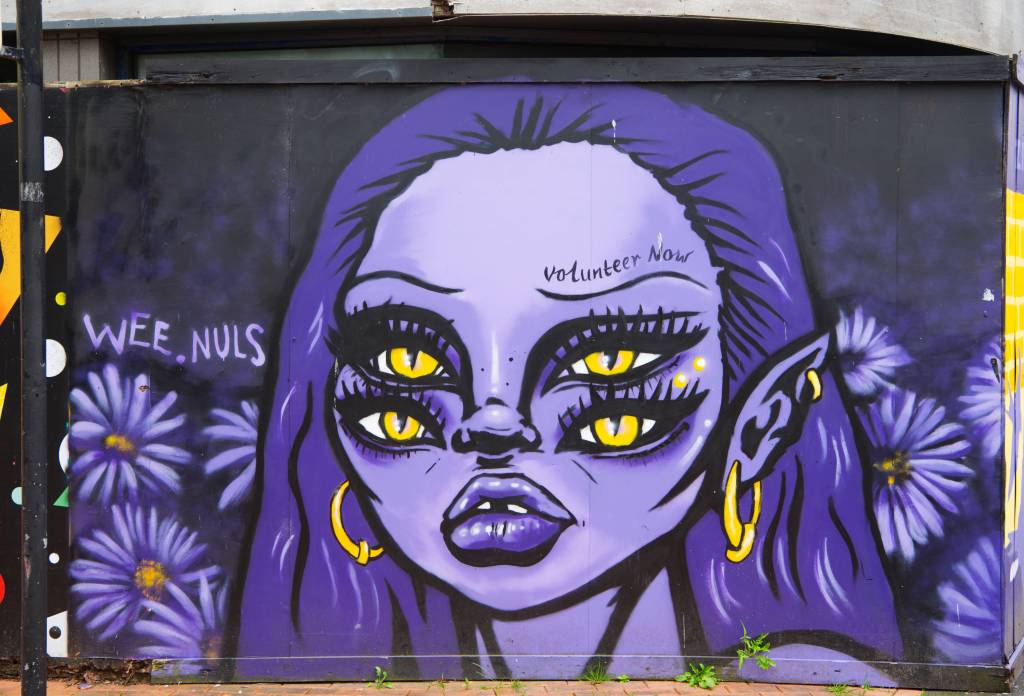
Photography plays an essential role in documenting Belfast’s street art because of its inherent impermanence. Works are frequently altered, painted over, or removed entirely, sometimes within short periods of time. Photographers act as informal archivists, capturing not only the artwork itself but also the conditions in which it exists. Light, weather, texture, and surrounding activity all become part of the documentation. Through this process, street art is preserved not as a fixed object but as a moment within an ongoing sequence of change.
Tourism has added another layer to this evolving ecosystem. Belfast’s street art is now widely recognised as part of the city’s cultural identity, attracting visitors who come specifically to explore its murals and urban art districts. This visibility has created opportunities for artists and communities, while also introducing questions about authenticity and commercialisation. When street art becomes part of tourism infrastructure, its meaning inevitably shifts. Some works are commissioned specifically for public engagement, while others remain independent or transient. The relationship between local expression and external attention continues to evolve, reflecting broader tensions within the city’s cultural development.
Ultimately, Belfast’s street art cannot be reduced to a single narrative or style. It exists as an ongoing accumulation of histories, influences, and individual expressions that share the same physical space without merging into a unified whole. The walls of the city hold contradictions without resolving them, allowing political memory, creative experimentation, humour, and personal storytelling to coexist within the same visual field. Rather than presenting a simplified identity, Belfast offers a complex and continuously shifting portrait of itself, written not in ink or stone but in paint that never fully stops changing.
A final note of appreciation goes to the artists whose work appears across Belfast’s streets and throughout this article. From community-led projects and independent muralists to internationally recognised street artists, their creativity continues to shape the character and visual identity of the city. All artwork featured remains the property of its respective artists, and recognition for the talent, vision, and effort behind each piece belongs entirely to them. Belfast’s streets may provide the canvas, but it is the artists who bring these walls to life, creating a constantly evolving public gallery that can be experienced by everyone who passes through it.


Leave a Reply