
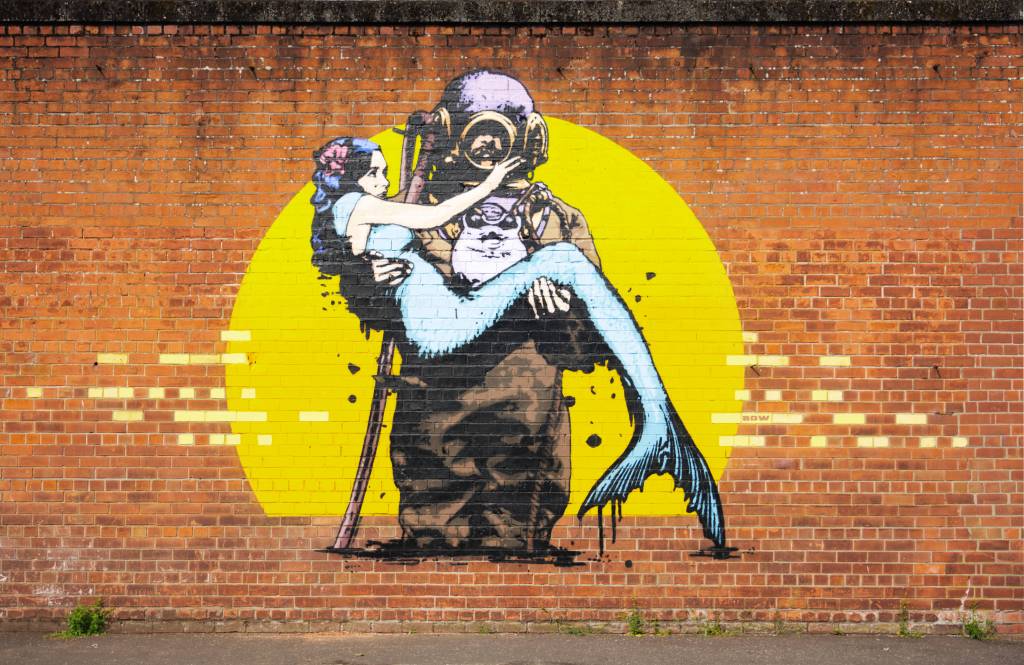
Spend enough time walking through Belfast and you begin to notice that the city rarely stands still. Not in the way new buildings appear or old ones disappear, but in the way its walls continue to evolve. Streets that looked one way a year ago can feel entirely different today. A mural that once dominated a building may have been replaced by a new piece. An overlooked corner can suddenly become one of the most photographed locations in the city. The artwork changes, the colours change, and in many cases the stories being told change as well.
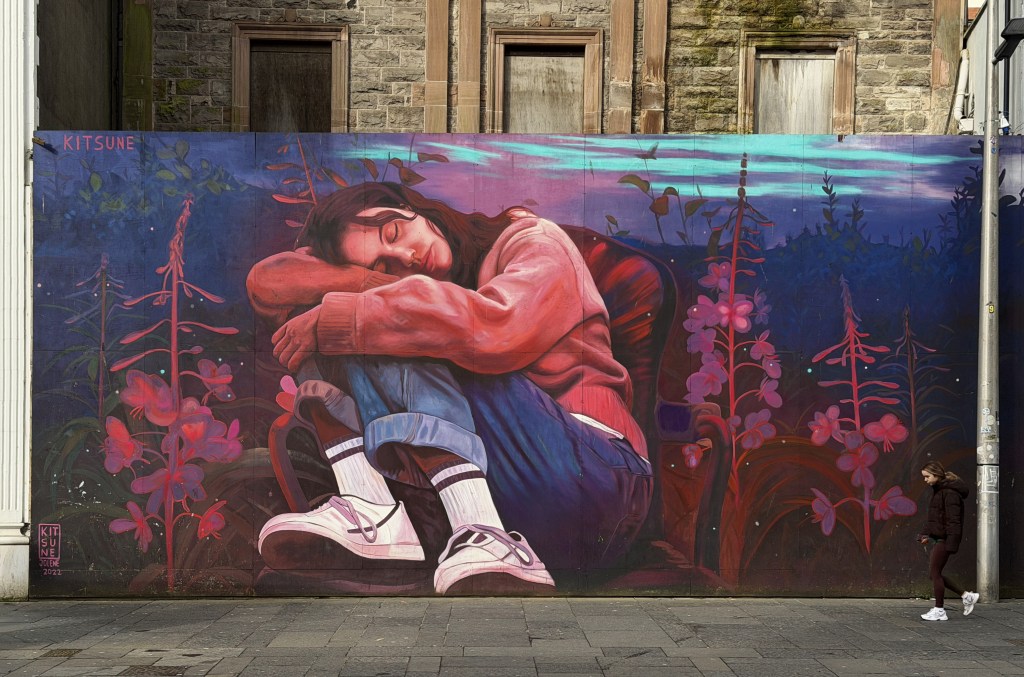
What makes this transformation so interesting is that it is being driven largely by local artists. Belfast’s contemporary street art scene is not simply the result of outside influences arriving in the city. It is the product of a growing community of artists who have spent years developing their craft, experimenting with scale, and finding new ways to use public space. Their work has helped redefine how many people experience Belfast, turning ordinary walls into places that encourage people to stop, look, and engage with their surroundings.
For many visitors, Belfast’s murals are still associated with the images that emerged during the Troubles. Those works remain an important part of the city’s history, and some continue to hold a significant place within certain communities. Yet the contemporary street art scene tells a different story. Today’s artists are often less concerned with marking territory or expressing political identity and more interested in exploring creativity, culture, community, and the character of the city itself.
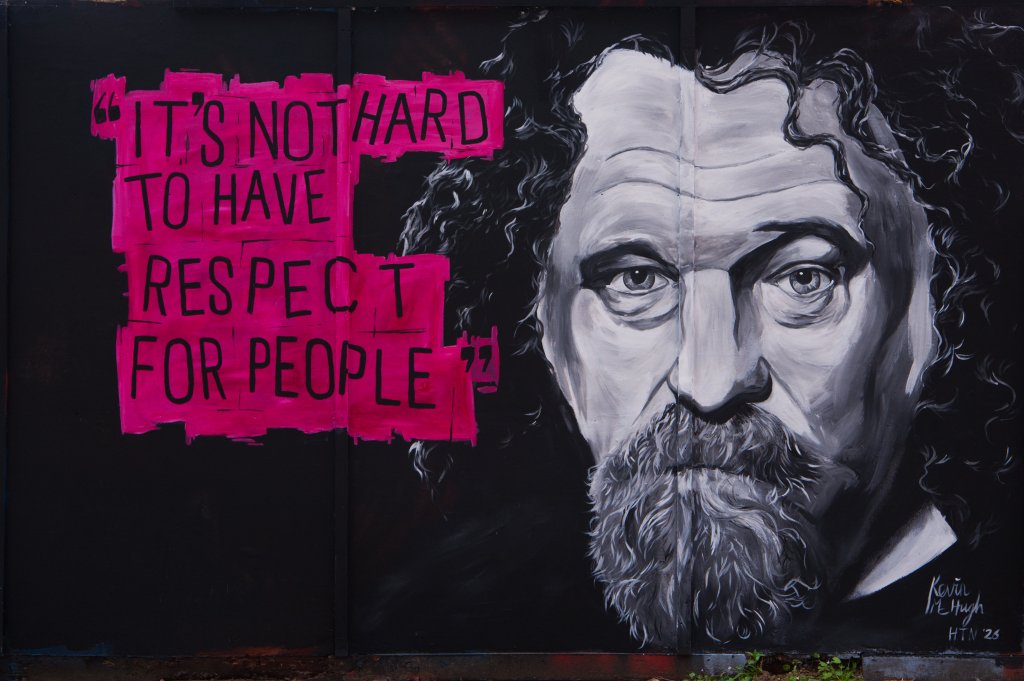
The change did not happen overnight. It developed gradually as local artists began experimenting with larger projects and new styles, influenced by what they encountered elsewhere. Travel played a role. So did the rise of social media, which allowed artists in Belfast to see what was happening in urban art scenes across Europe and beyond. Cities such as Berlin, Lisbon, Barcelona, Rotterdam, and Glasgow became sources of inspiration, exposing artists to new techniques, approaches, and ideas about what public art could be.
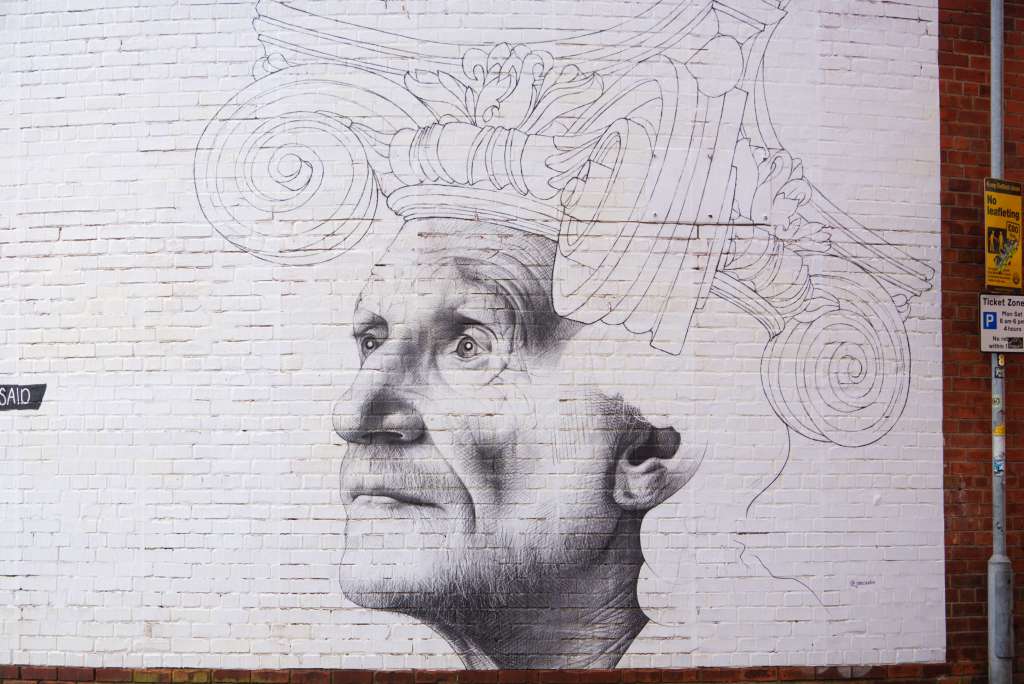
What is particularly impressive is that Belfast’s artists did not simply copy what they saw elsewhere. Instead, they absorbed those influences and adapted them to suit the city around them. The result is a style that feels contemporary and internationally aware while remaining unmistakably rooted in Northern Ireland. The murals may share techniques with works found elsewhere in Europe, but the stories, references, and perspectives often remain deeply connected to the place where they were created.
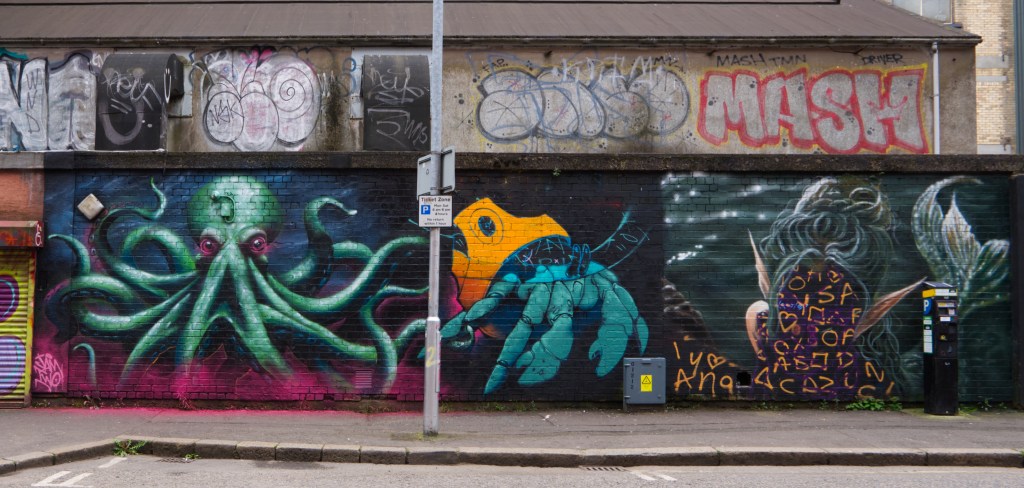
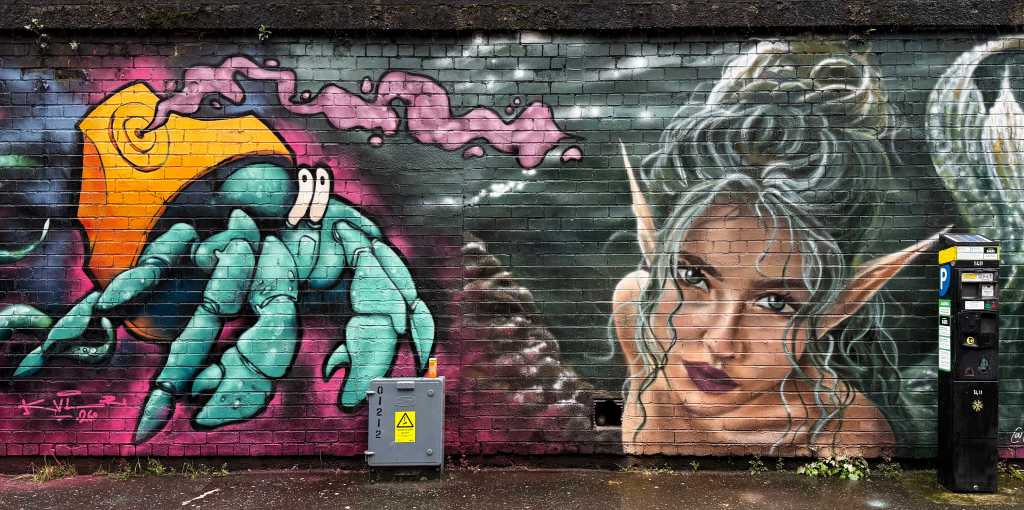
That local connection becomes clear when you spend time looking beyond the artwork itself. Many of the artists responsible for Belfast’s changing walls have strong ties to the communities where their work appears. They understand the streets they are painting, the people who pass by every day, and the history attached to the buildings they are transforming. This familiarity gives much of the work an authenticity that can be difficult to create from the outside.
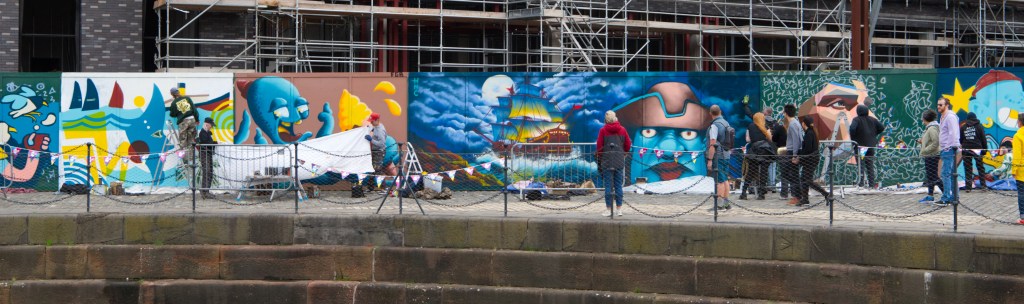
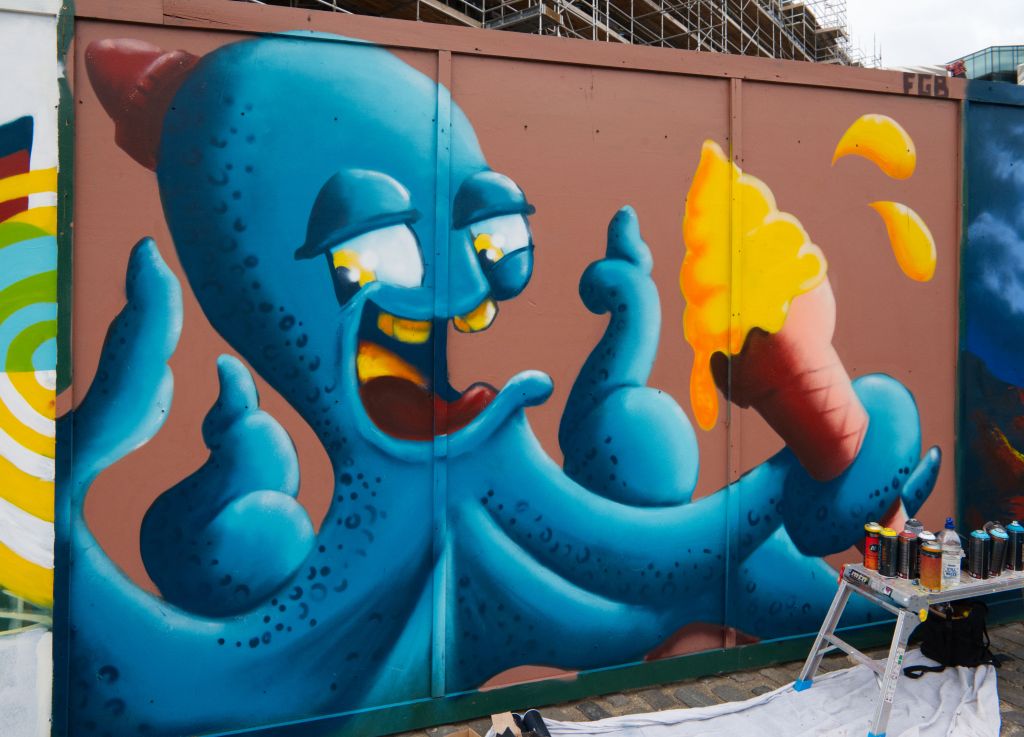
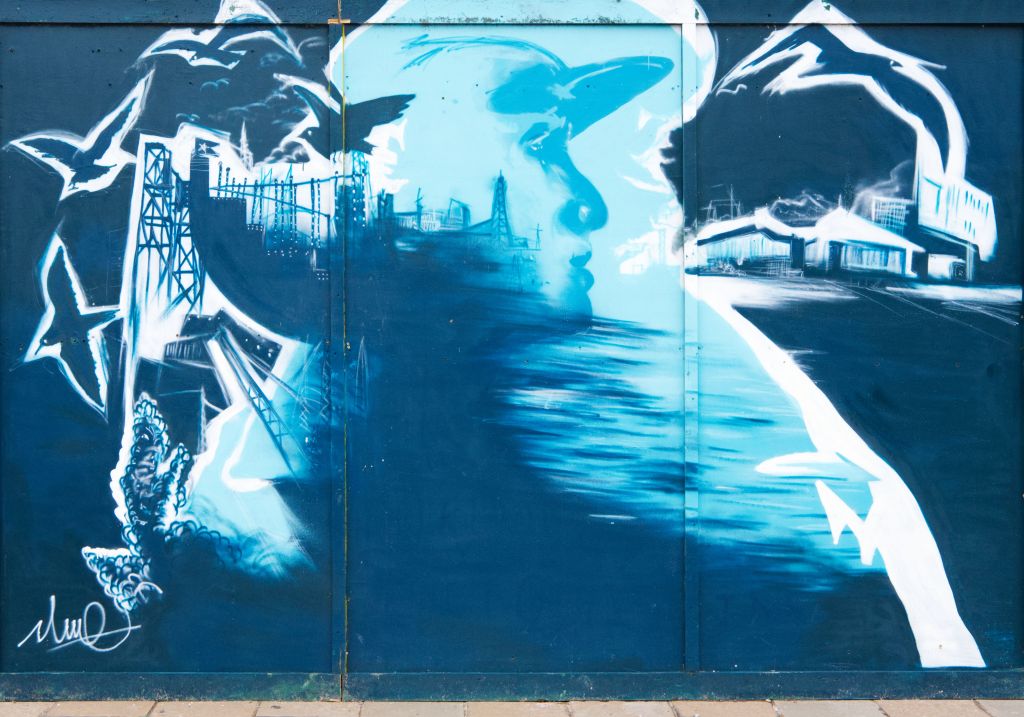
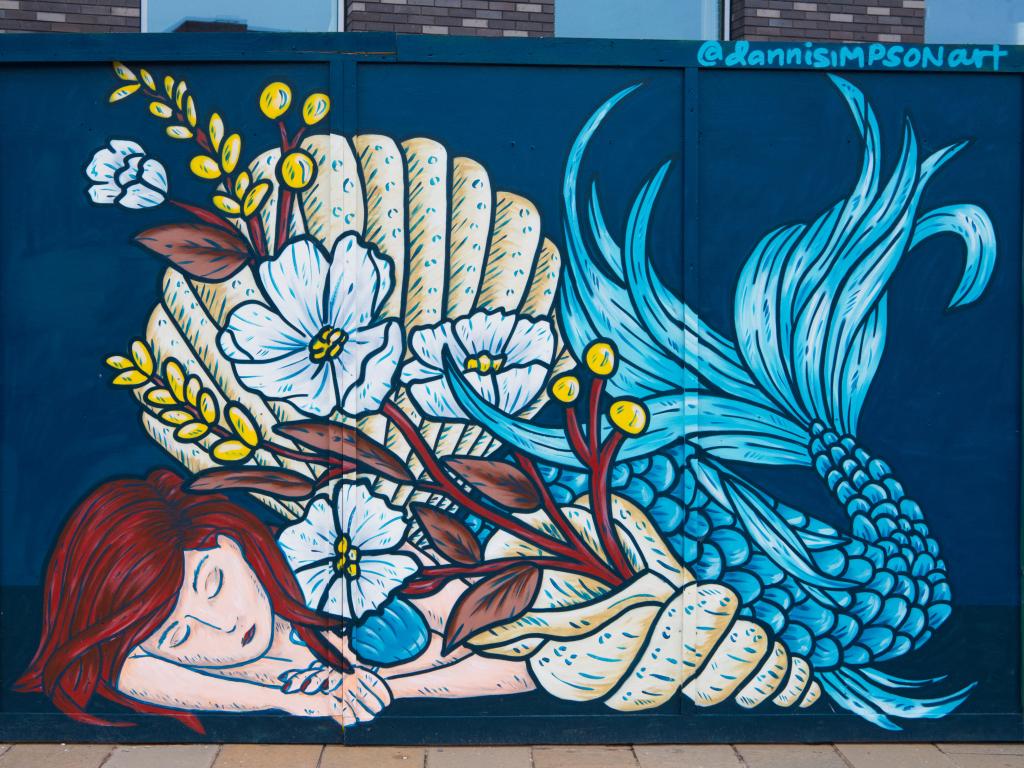
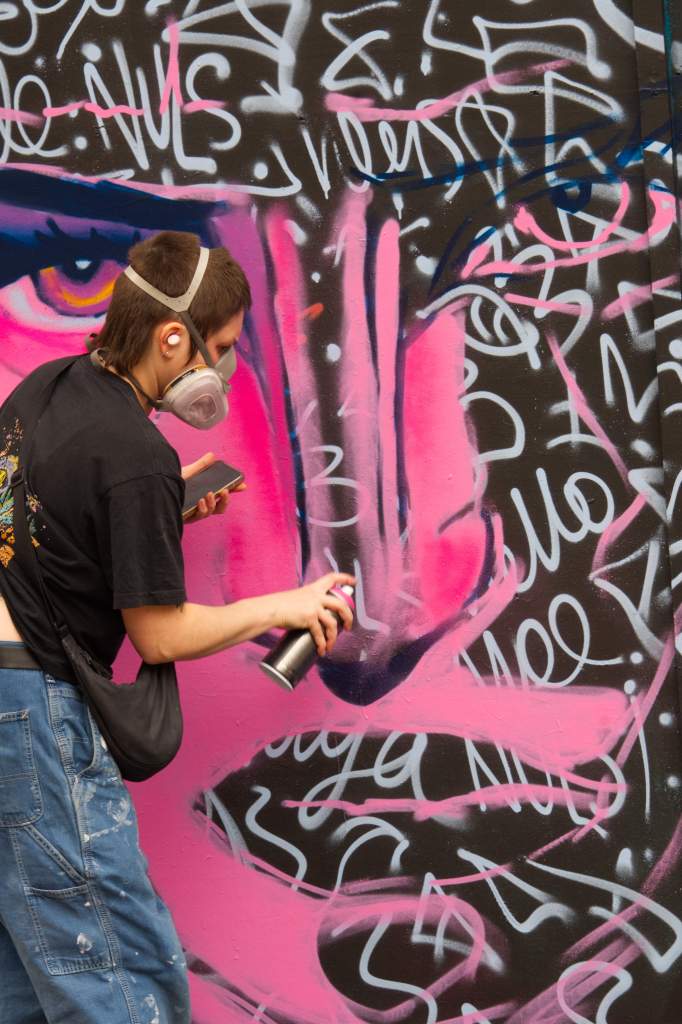
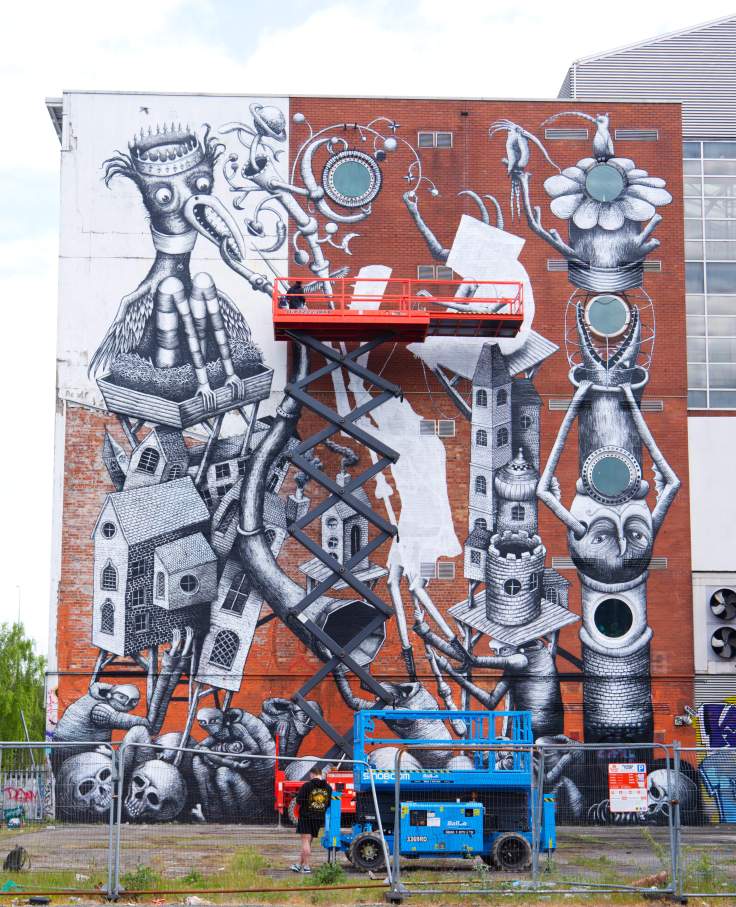
For photographers, this human element often becomes just as interesting as the finished mural. It is one thing to photograph a completed piece towering above a street. It is another to document the artist responsible for it. Seeing painters at work on lifts several storeys above the ground, sketching ideas onto a blank wall, or stepping back to assess their progress reveals a side of the creative process that is often overlooked.
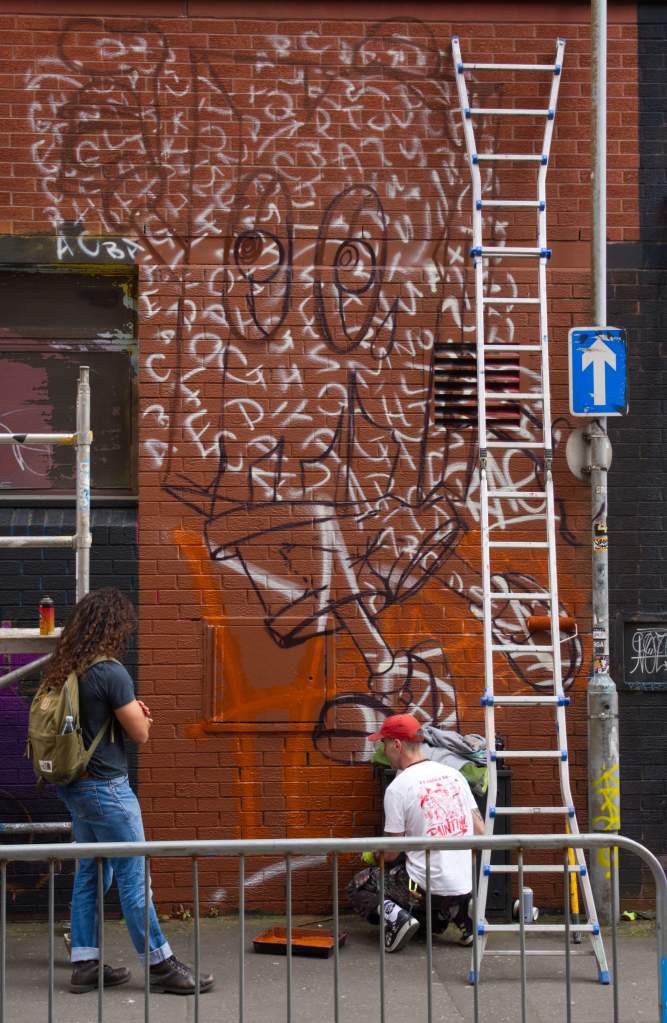
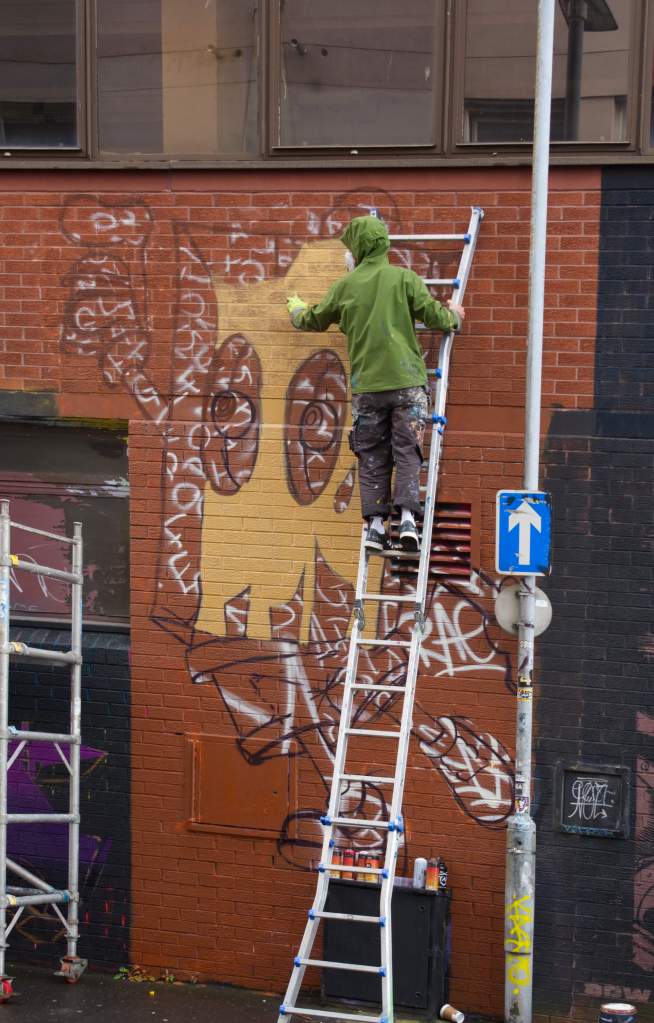
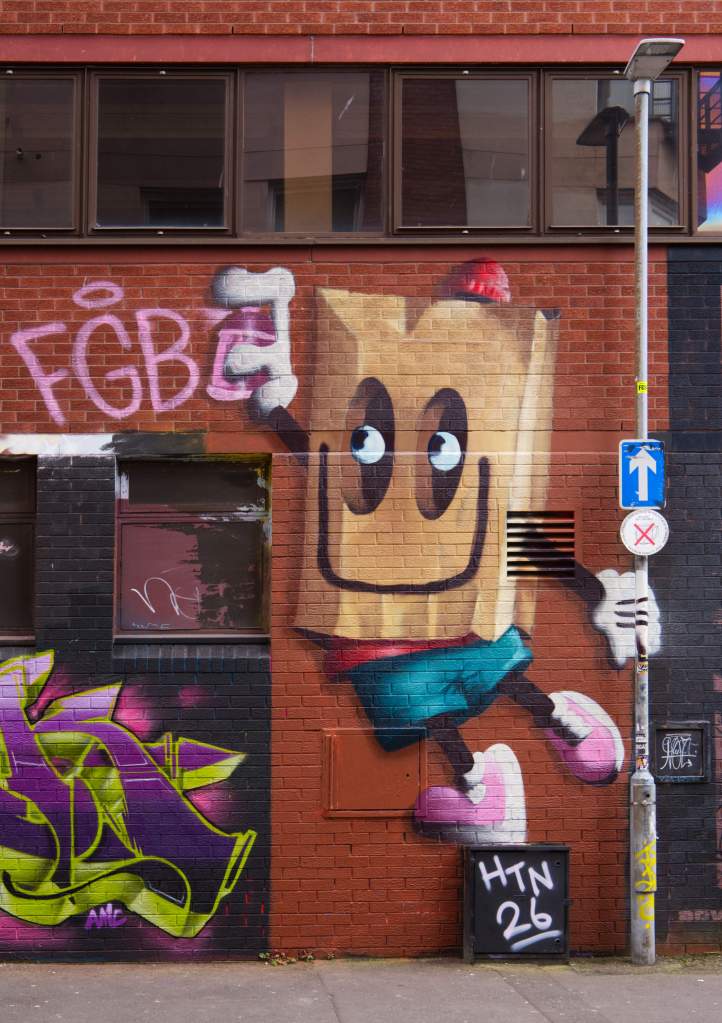
There is a quiet determination involved in creating artwork on this scale. Large murals rarely appear overnight. They require planning, preparation, and long hours of work in all kinds of weather. Watching an artist transform a blank wall over the course of several days provides a new appreciation for the skill involved. What looks effortless when complete is often the result of countless decisions, adjustments, and hours spent refining details that many people will never consciously notice.
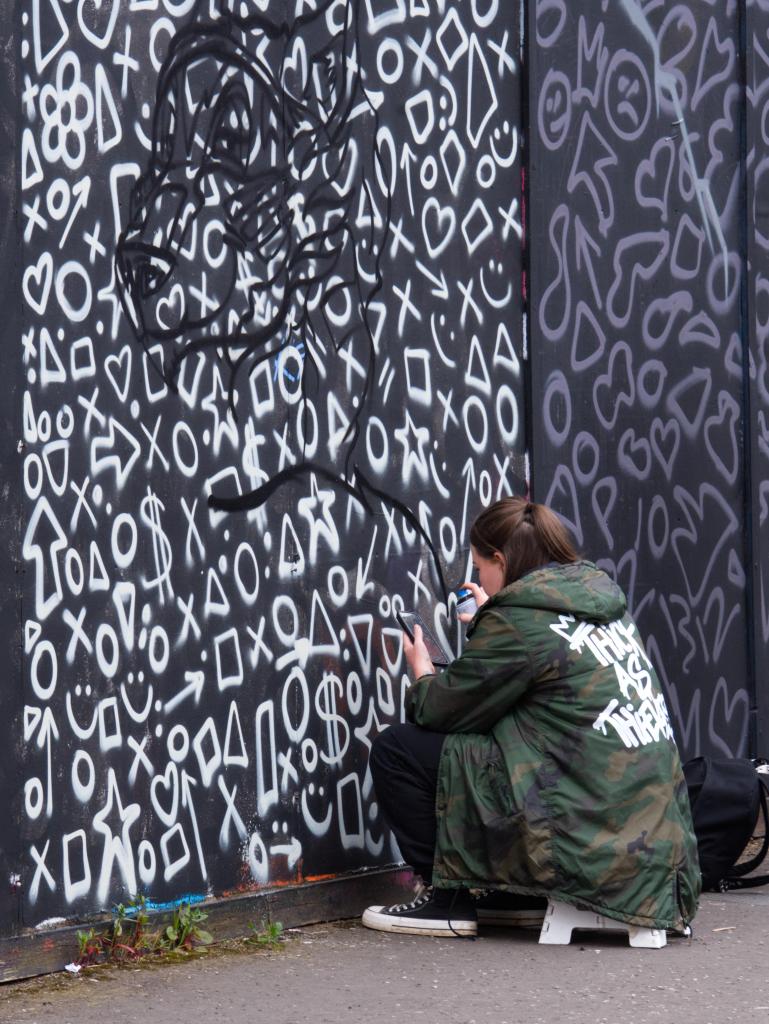
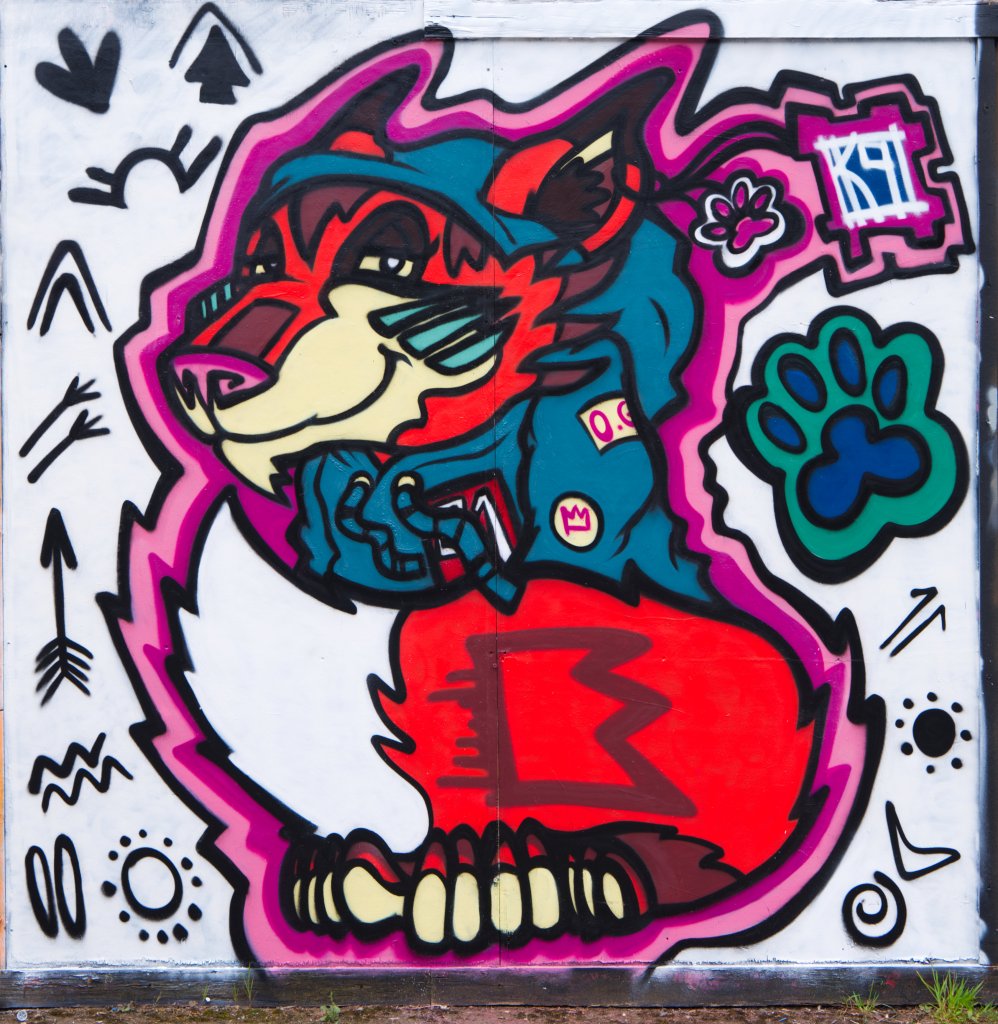
The scale itself presents challenges. Artists are not working on traditional canvases inside controlled studio environments. They are painting directly onto buildings, adapting their designs to windows, doors, brickwork, drainpipes, and architectural features. Every surface brings different obstacles, and every project demands a balance between artistic vision and practical reality. The most successful works often feel as though they belong to the building itself, transforming the structure rather than merely decorating it.
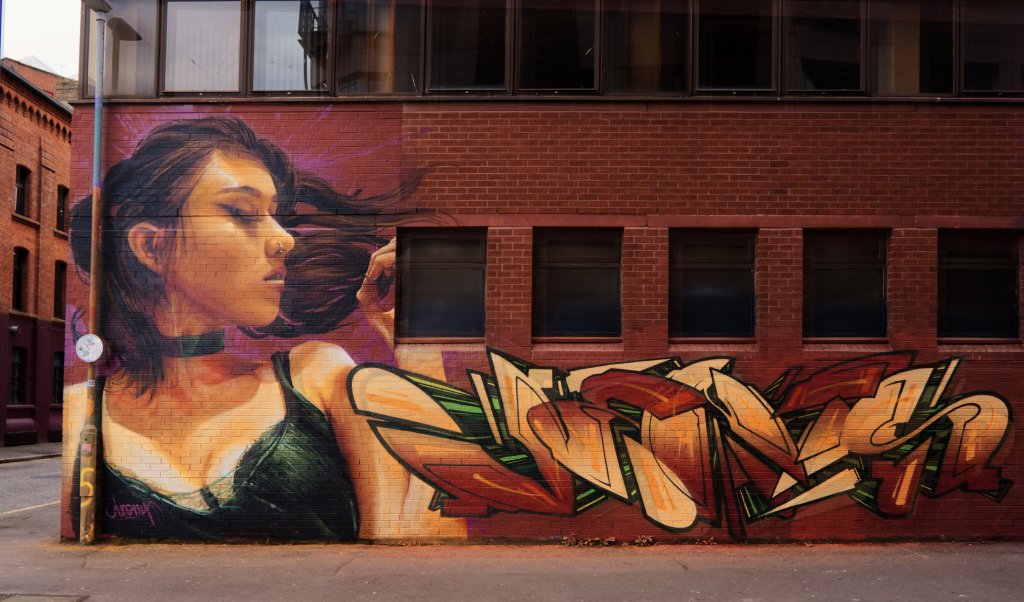
Across Belfast, these transformations have become increasingly visible. Entire facades have been reimagined through large-scale artworks that stretch several storeys into the air. What was once an ordinary wall becomes a landmark. Streets acquire new focal points. Buildings that might previously have gone unnoticed suddenly become destinations.
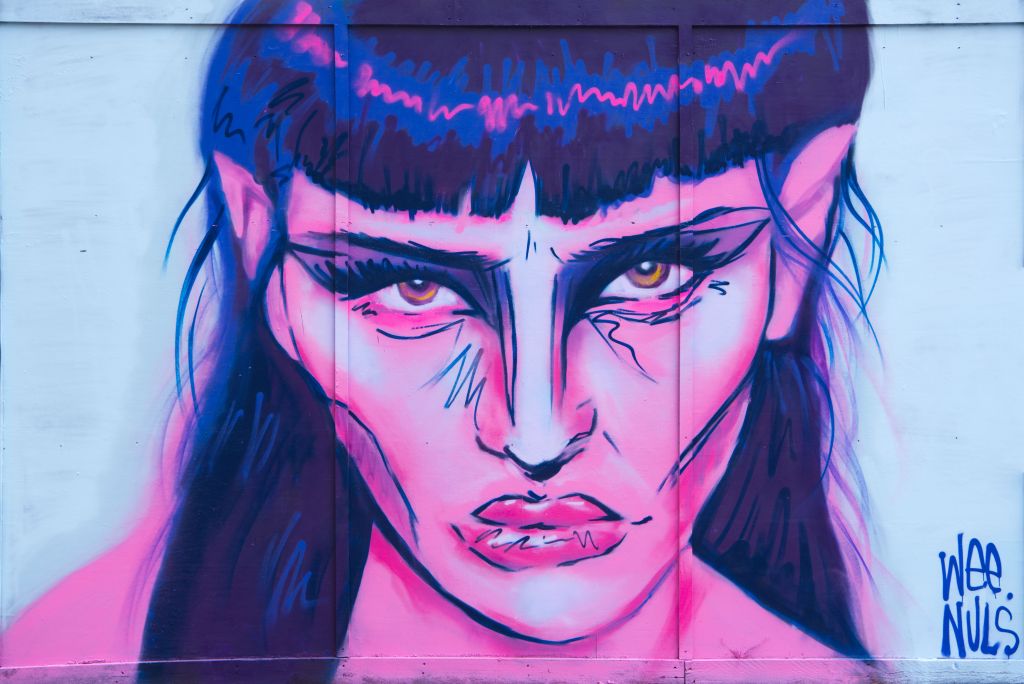
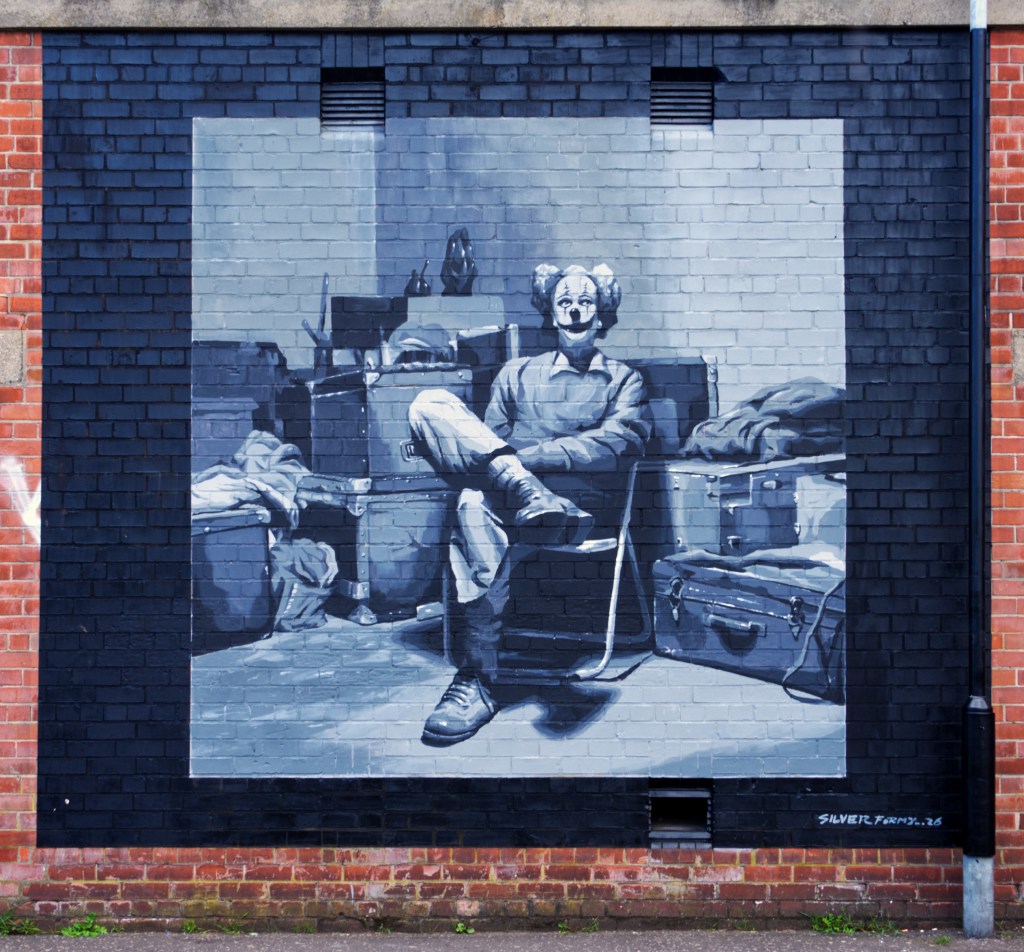
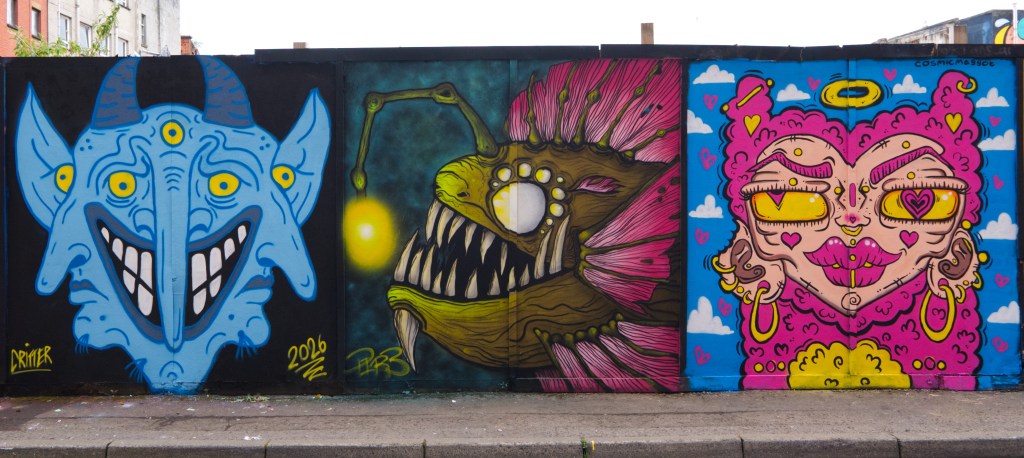
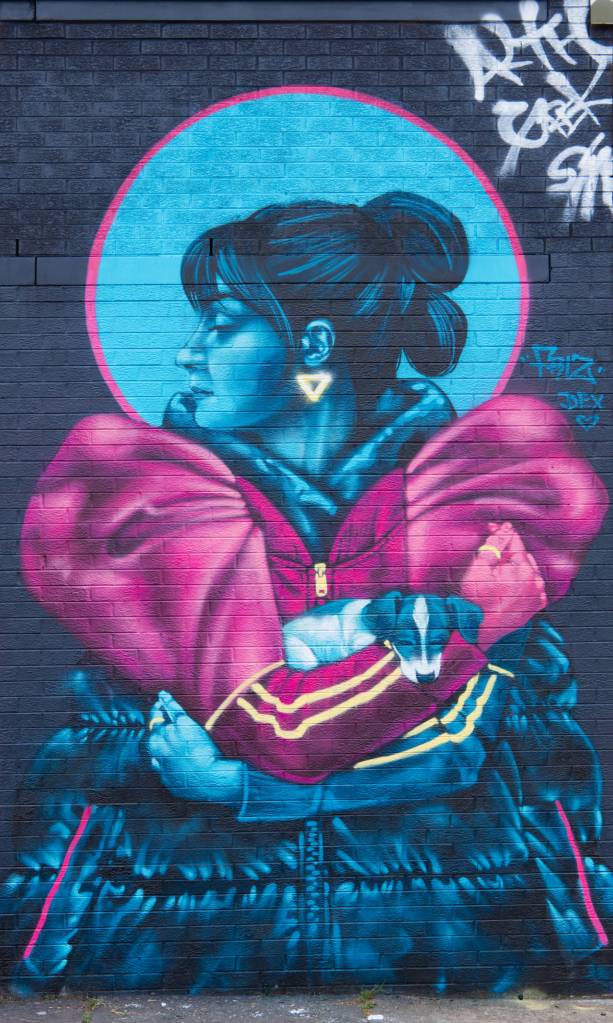
Some artists favour highly detailed portraiture, creating enormous faces that appear almost photographic from a distance. Others lean toward abstract forms, graphic compositions, or imaginative scenes that use colour and shape to alter how a building is perceived. The diversity of approaches means that no two areas feel exactly the same. Moving through the city becomes an exploration of different artistic voices rather than a search for a single visual style.
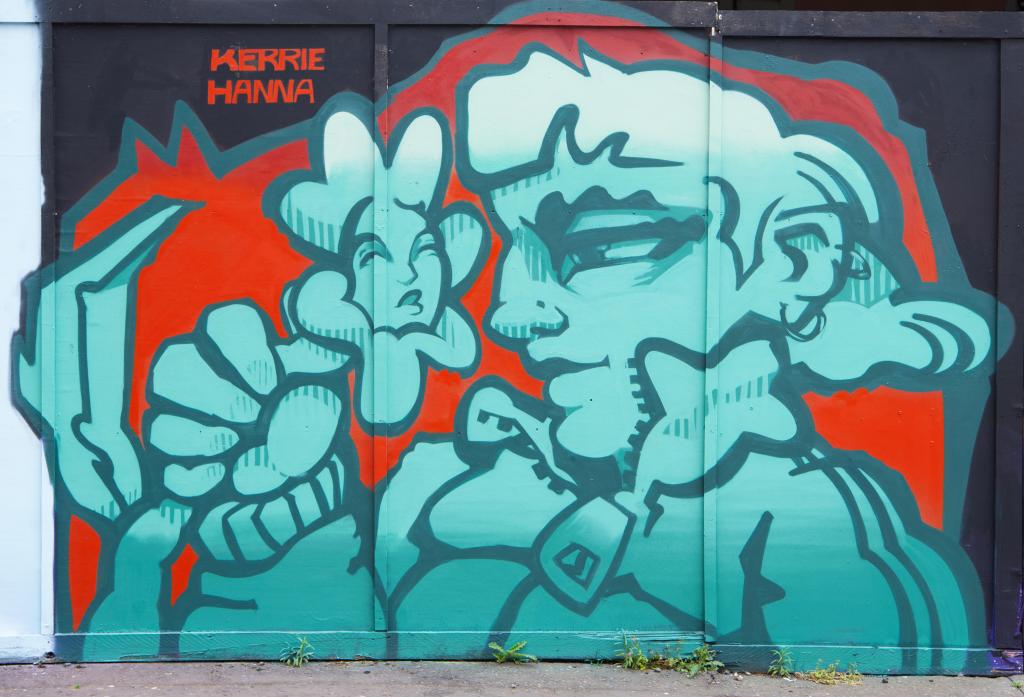
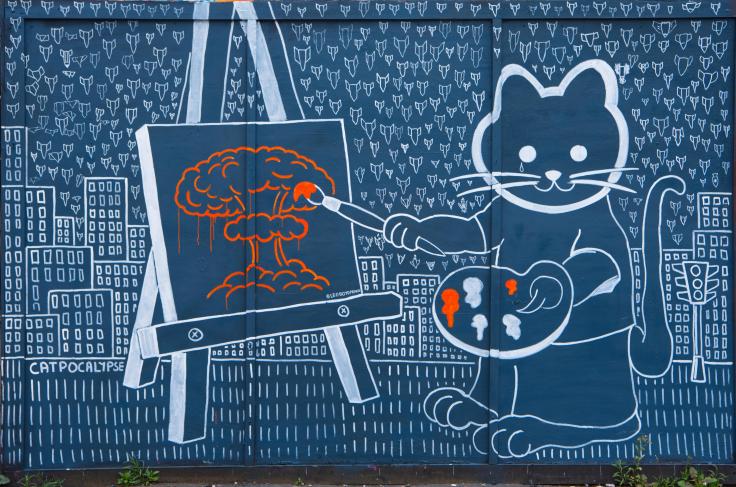
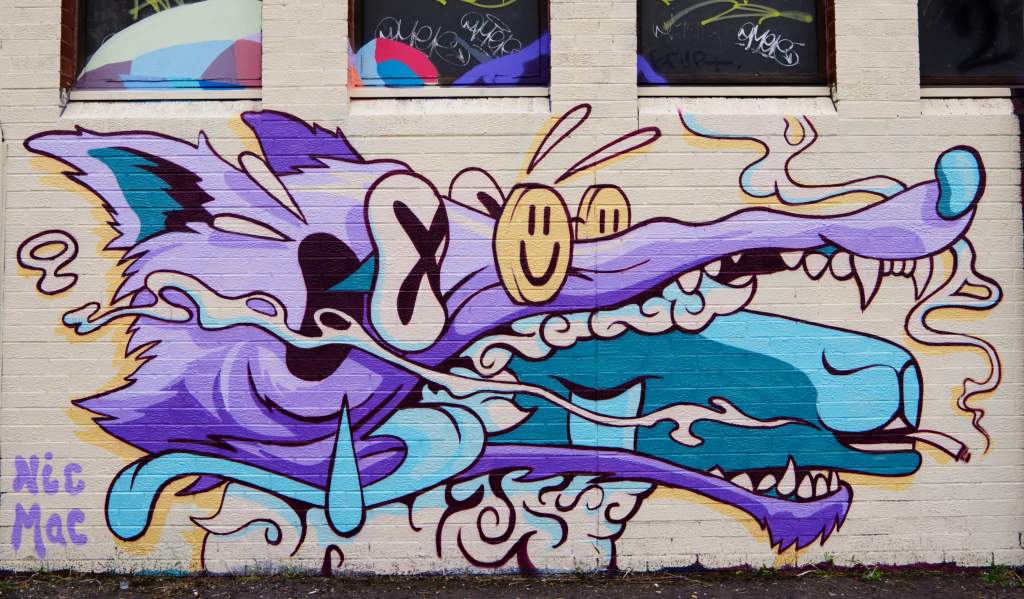
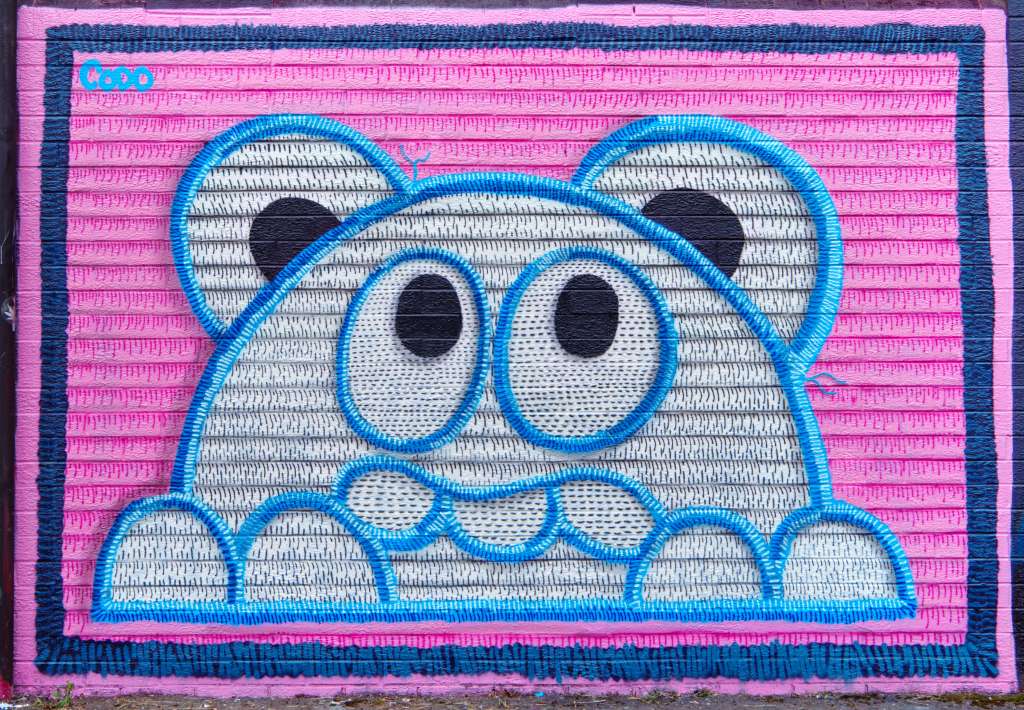
That variety is one of the greatest strengths of Belfast’s urban art scene. There is no expectation that every mural should look alike or communicate the same message. Some works celebrate local culture. Others focus on nature, music, literature, sport, or community identity. Certain pieces embrace humour and playfulness, while others encourage reflection. Together they create a visual landscape that feels rich, layered, and constantly evolving.
The changing nature of the artwork is equally important. Unlike traditional public monuments designed to remain unchanged for decades, many murals exist with the understanding that they may eventually be replaced. A wall that carries one image today may support an entirely different piece in the future. This sense of impermanence keeps the city visually fresh and encourages repeat visits from those interested in seeing what has changed.
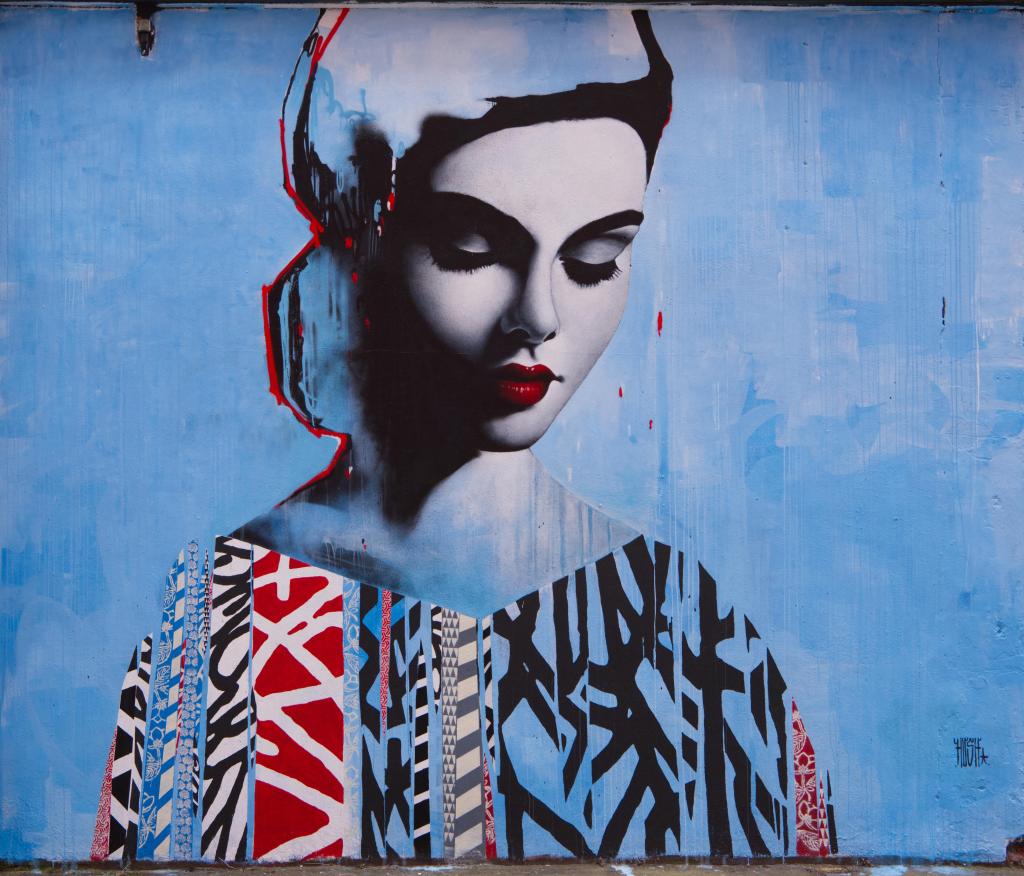
For photographers, that impermanence adds another layer of significance. Capturing a mural is not simply documenting an artwork. In some cases it is preserving a moment in the city’s visual history. A piece photographed today may no longer exist in the same form a year from now. The image becomes a record not only of the artwork but of Belfast at a specific point in time.
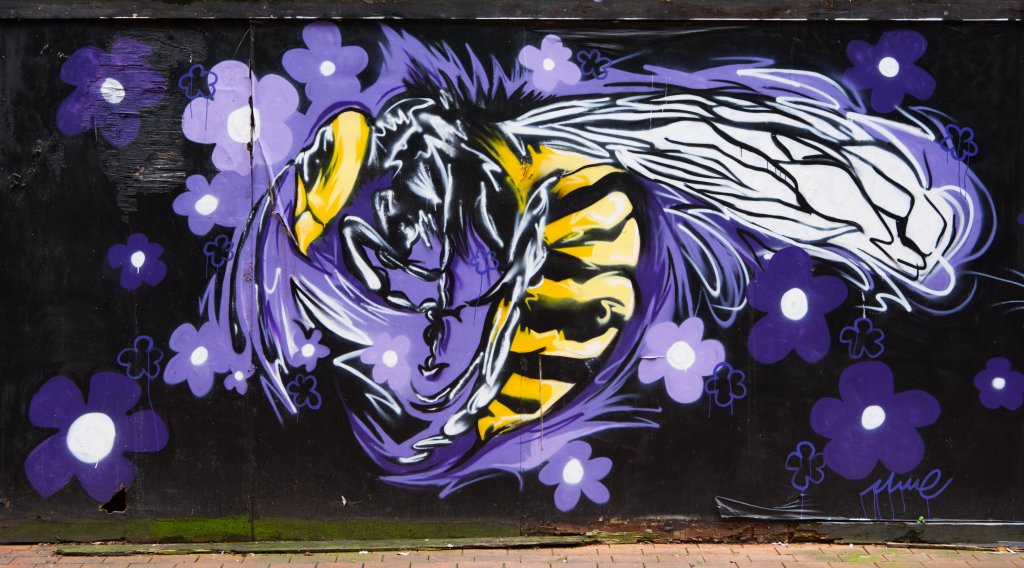
What is perhaps most remarkable is how naturally these changes have been absorbed into the identity of the city. Public art no longer feels like an occasional addition to Belfast. It has become part of the everyday landscape. Residents pass these works on their commute. Visitors discover them while exploring side streets. Local businesses often find themselves operating beside some of the city’s most striking pieces. The artwork has become woven into daily life.
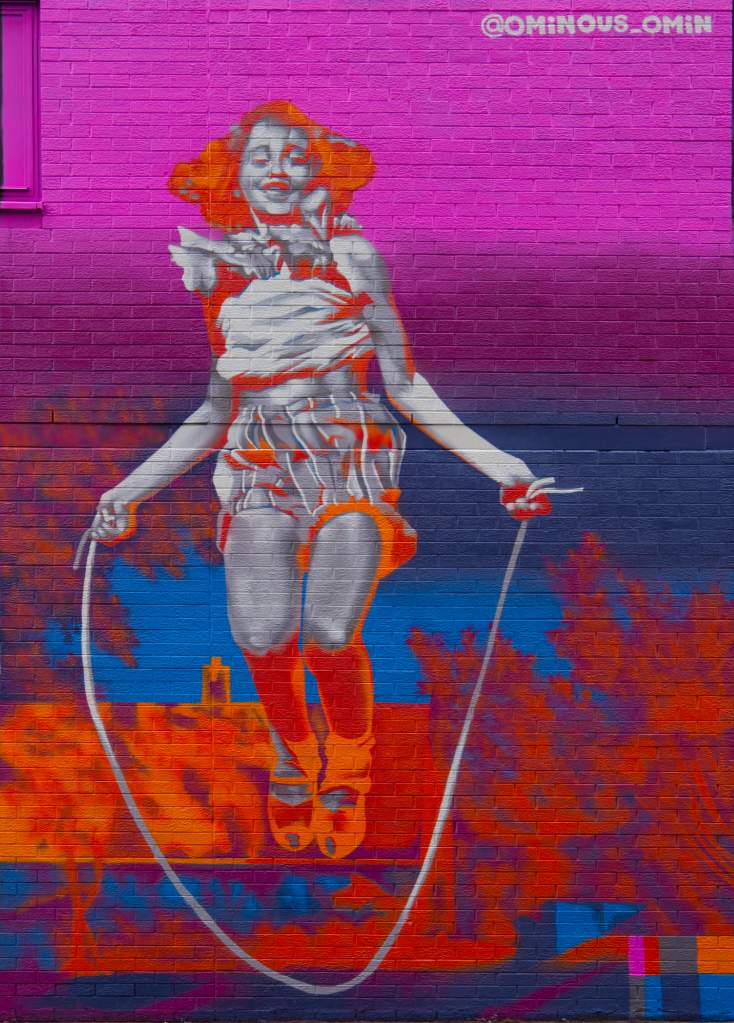
While local artists remain at the heart of this story, Belfast has also benefited from the arrival of artists from elsewhere in Europe. Their contributions bring new perspectives and techniques, introducing fresh ideas into an already thriving creative environment. These visiting artists often become part of a wider exchange of ideas that benefits everyone involved. Belfast artists continue to draw inspiration from urban art scenes across Europe, while artists arriving in the city encounter a creative culture shaped by Northern Ireland’s unique history and character.
As a result, Belfast has become known not only for its murals but for the community of artists behind them. The city’s reputation is built as much on the people creating the work as on the walls themselves. Their willingness to experiment, collaborate, and continually push the boundaries of public art has helped transform Belfast into one of the most visually engaging cities on the island.
What makes the experience particularly rewarding is that there is always something new to discover. A return visit often reveals fresh work, different colours, and entirely new interpretations of familiar spaces. The city remains recognisable, yet never completely predictable. Creativity continues to leave its mark across the urban landscape, ensuring that even well-known streets can still offer surprises.
Over the course of the year, Belfast’s visual landscape is also shaped by a series of organised art interventions that bring additional layers of change to the city’s walls. These events introduce new bodies of work into selected areas, often resulting in entire streets being refreshed or reinterpreted within a short space of time. While the murals themselves remain the focus, the rhythm of these recurring projects means the city never settles into a fixed visual state for long. Some of these initiatives have developed into annual occurrences, creating a predictable cycle of renewal that still produces unpredictable outcomes in terms of style, subject matter, and artistic approach.
Perhaps that is the most enduring quality of Belfast’s contemporary street art scene. It reflects a city that is confident enough to keep evolving. The walls are not treated as finished statements but as opportunities for new ideas, new artists, and new conversations. Every mural contributes something to the wider story, whether it remains in place for years or eventually gives way to the next creative vision.
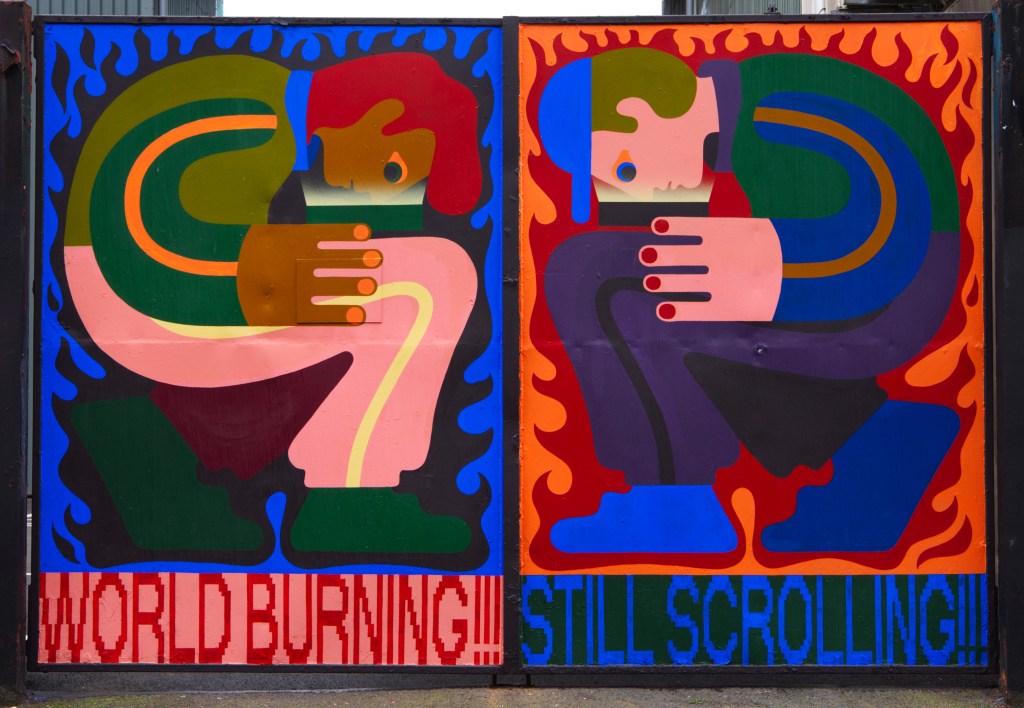
For those willing to explore beyond the obvious landmarks, Belfast reveals itself as a city shaped not only by its history but by the artists actively creating its future. Their work continues to transform walls, buildings, and streets into an ever-changing outdoor gallery that belongs as much to the people who create it as to those who stop to admire it. The artwork may change from year to year, but the talent, imagination, and commitment behind it remain a constant presence across the city.
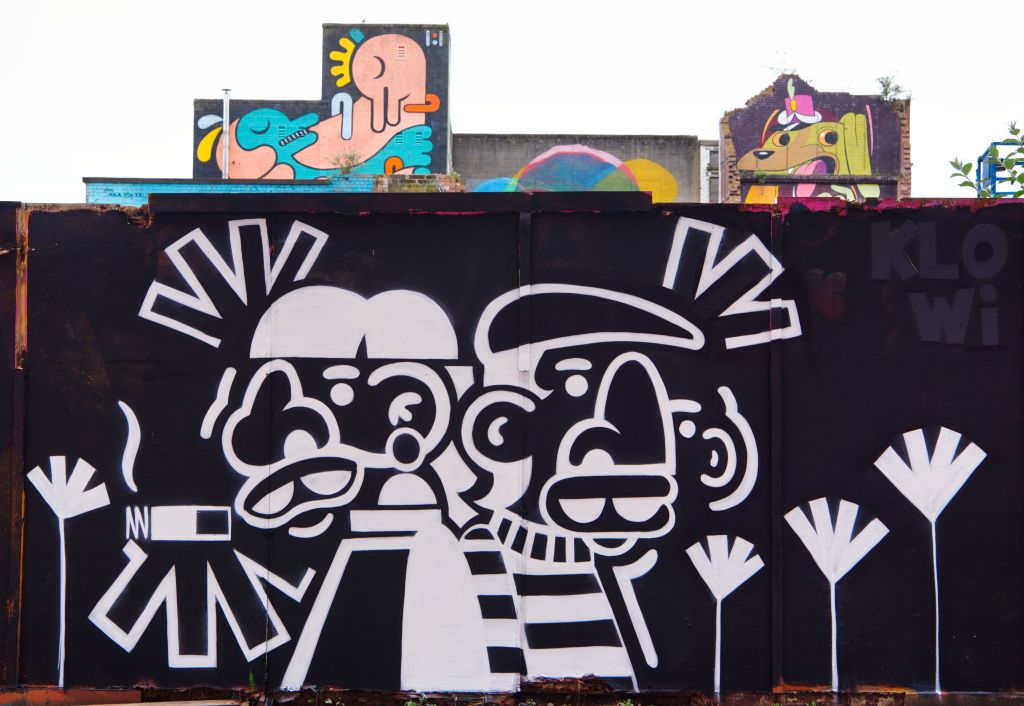
A final note belongs to the artists whose work appears throughout Belfast’s streets and continues to shape the city’s evolving visual identity. Each mural, large-scale piece, and smaller intervention remains the work and property of its respective artist, reflecting their individual ideas, skill, and perspective. Many of these artists can be found and explored online, where their wider portfolios reveal the depth and range of work that extends beyond the walls of Belfast.


Leave a Reply