
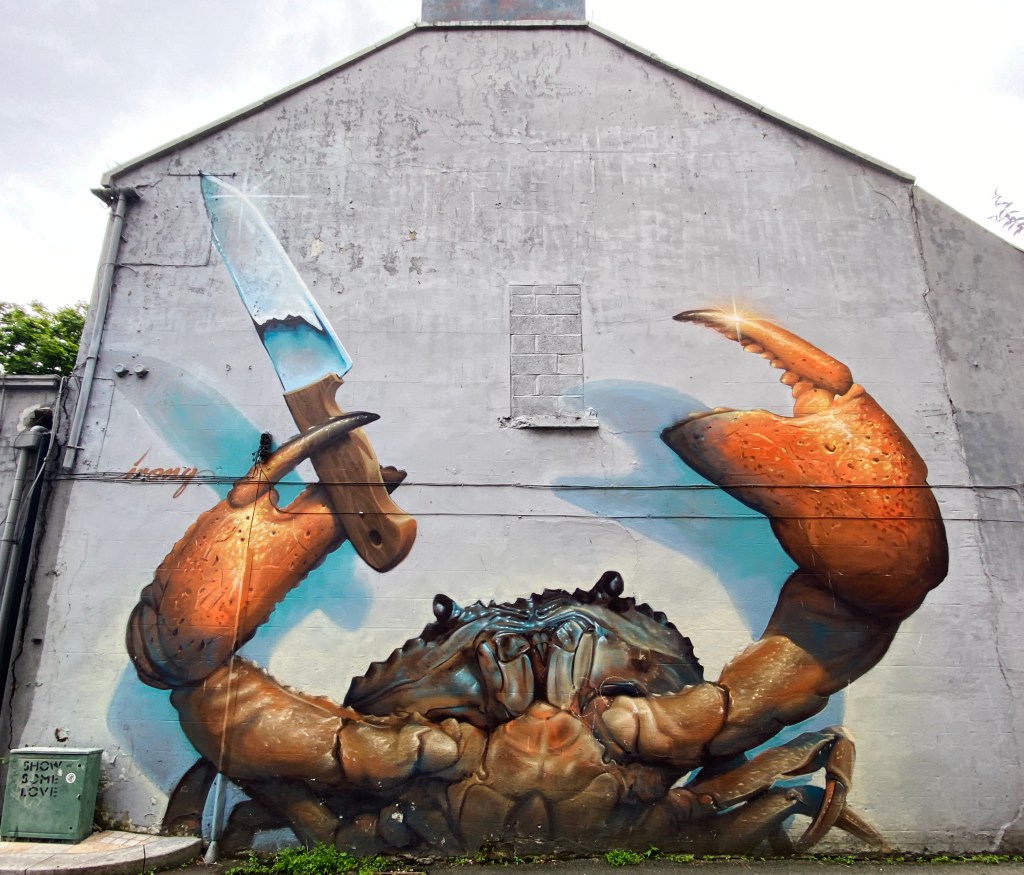
When people think of murals and wall art in Northern Ireland, their attention is often drawn towards Belfast. The city has earned an international reputation for its murals, street art, and evolving urban canvas, attracting visitors from around the world. Yet beyond the capital lies a much broader story, one painted across towns, villages, harbours, and communities throughout Northern Ireland. It is a story that reveals itself not through galleries or museums, but through walls that have become places of memory, celebration, creativity, and local identity.
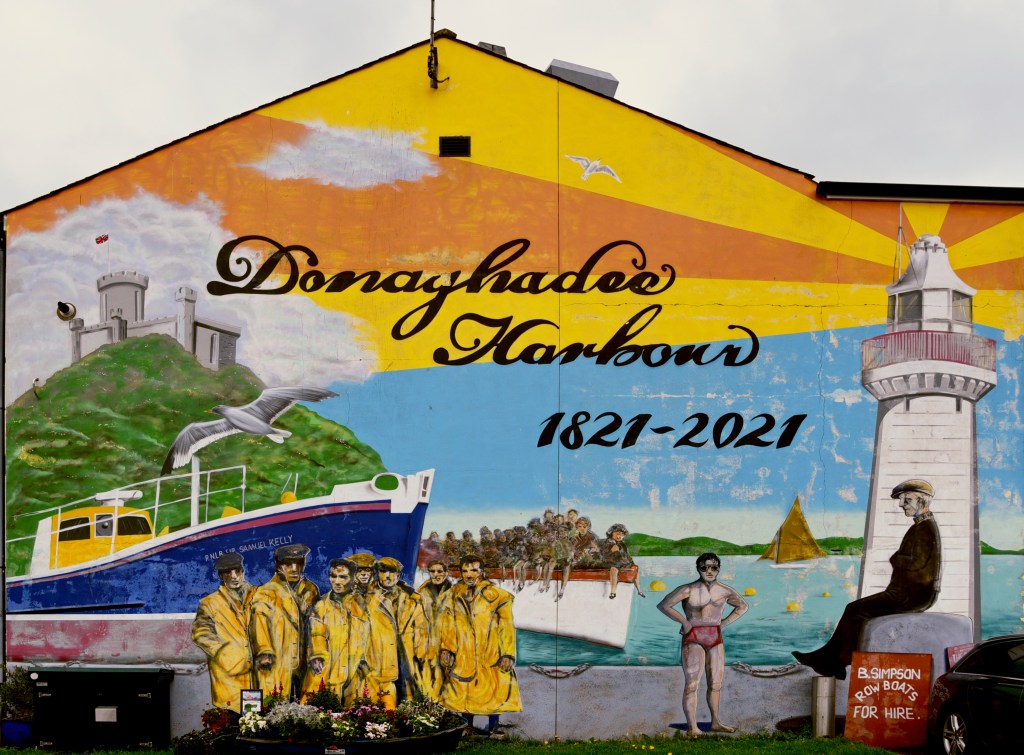
Travelling across Northern Ireland with an eye for public art quickly becomes a different way of exploring the region. A mural on the side of a community building may tell the story of a town’s industrial past. A painted gable wall overlooking a harbour might celebrate generations of fishermen and seafarers. Elsewhere, artwork highlights local musicians, sporting achievements, folklore, or cultural traditions. These works are often created for the communities around them first and visitors second, giving them a sense of authenticity that can be difficult to replicate.
Unlike many forms of public art that exist in carefully planned cultural districts, Northern Ireland’s wall art often appears in everyday places. It can be found overlooking town squares, along residential streets, beside railway stations, near community centres, and tucked into corners that many visitors might otherwise pass without noticing. The artwork becomes part of the landscape itself, woven into the daily life of the communities where it stands.
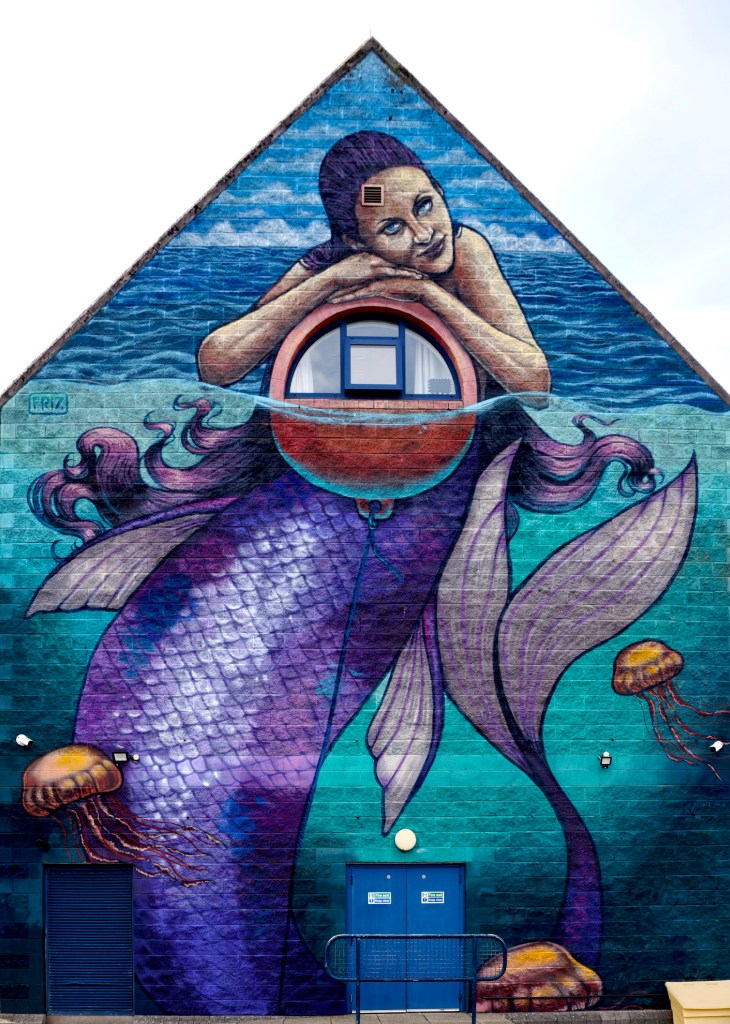
One of the most fascinating aspects of exploring these murals is how quickly they reveal the character of a place. Before speaking to a resident, stepping into a local museum, or reading a history board, a mural can provide clues about what matters to a community. It might celebrate local heroes, acknowledge important moments in history, or showcase aspects of life that residents feel deserve to be remembered. In many ways, the walls become storytellers.
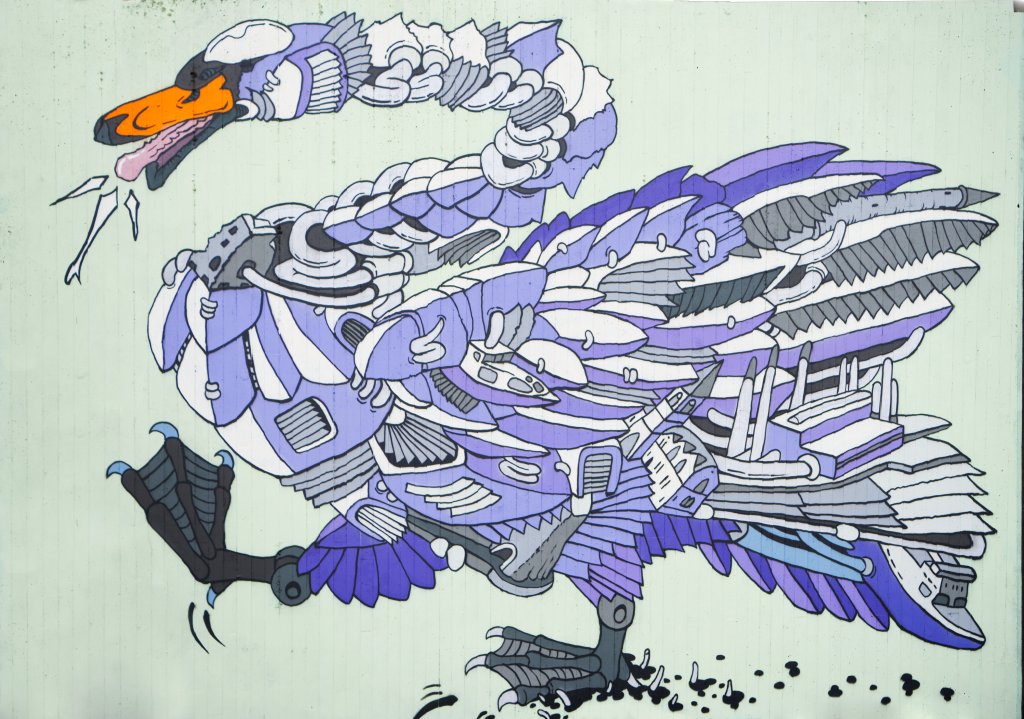
Across towns such as Bangor, Larne, Donaghadee, Ballymena, Coleraine, Portadown, Enniskillen, Newcastle, and many others, public art has become a means of preserving local identity in a rapidly changing world. While each town has its own character, a common theme emerges. The artwork often serves as a bridge between past and present, helping communities honour their heritage while creating something visually engaging for future generations.
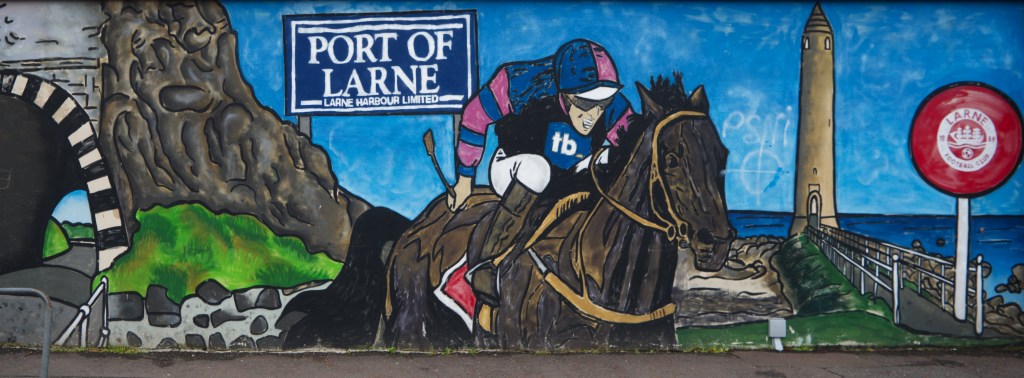
In coastal communities, this connection to place is particularly evident. The sea has shaped life in many parts of Northern Ireland for centuries, influencing trade, livelihoods, migration, and culture. Murals reflecting maritime themes can be found in a number of towns, celebrating fishing traditions, shipbuilding heritage, local harbours, and the relationship between people and the water that surrounds them. These works often feel inseparable from their surroundings, as though the stories they tell could only belong to that particular stretch of coastline.
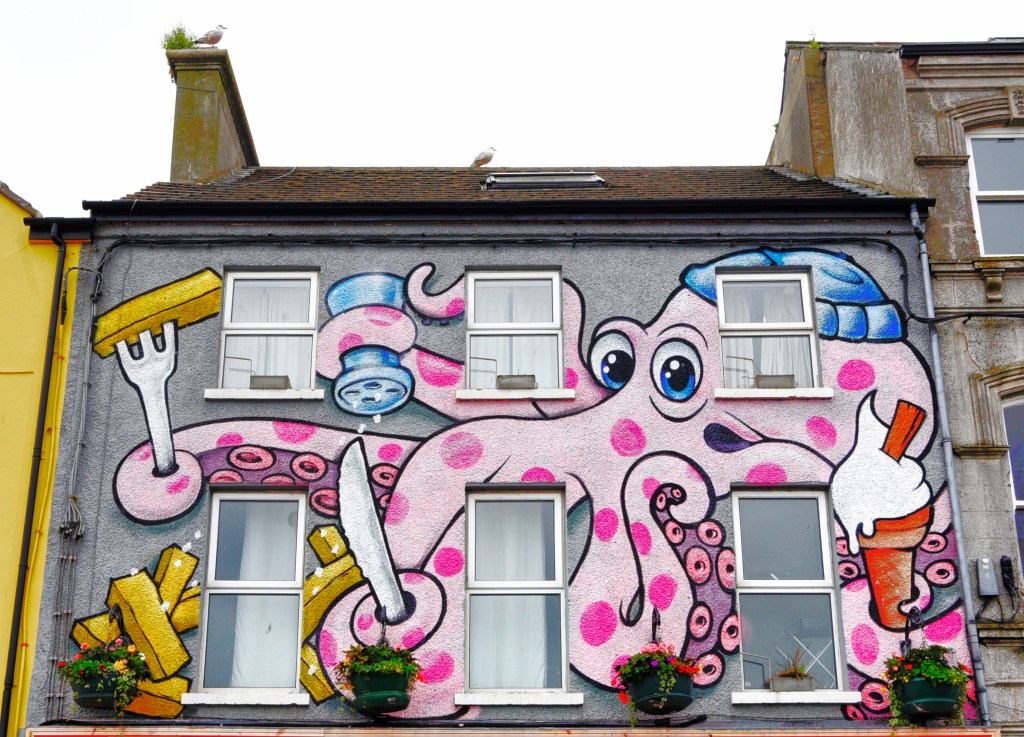
In coastal communities, this connection to place is particularly evident. The sea has shaped life in many parts of Northern Ireland for centuries, influencing trade, livelihoods, migration, and culture. Murals reflecting maritime themes can be found in a number of towns, celebrating fishing traditions, shipbuilding heritage, local harbours, and the relationship between people and the water that surrounds them. These works often feel inseparable from their surroundings, as though the stories they tell could only belong to that particular stretch of coastline.
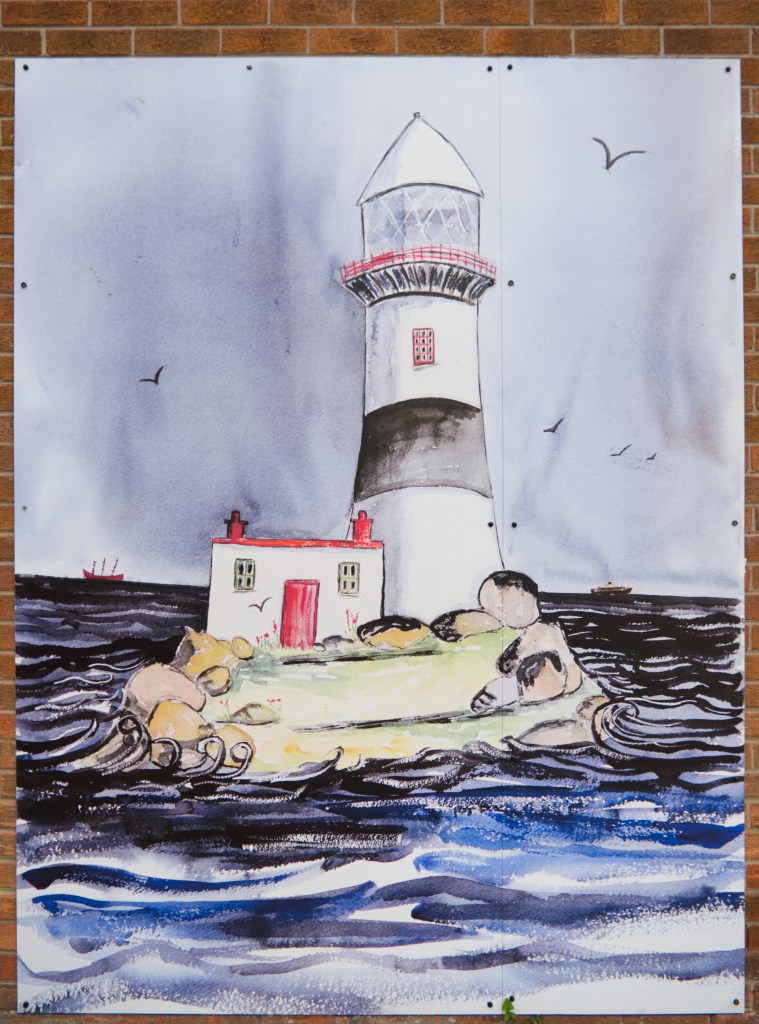
Walk through a harbour town and it is not uncommon to encounter artwork depicting boats, sea birds, fishermen, lighthouses, or scenes from local maritime history. These murals often serve as visual reminders that the sea was not simply part of the landscape but the foundation upon which many communities were built. Long before tourism became a major industry, harbours connected towns to trade routes, employment, and opportunities far beyond the horizon. Public art helps preserve those connections in a form that remains visible to future generations.
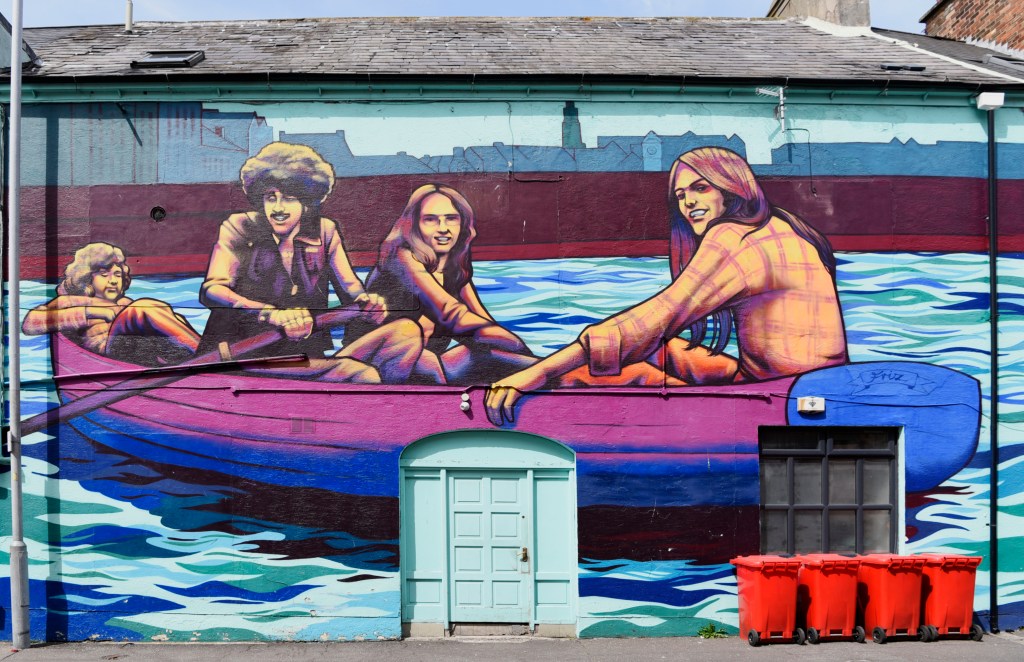
Perhaps one of the most interesting aspects of Northern Ireland’s murals is the way they celebrate local people.
Historic monuments often focus on national figures, political leaders, or major events. Murals honour people whose names carry particular meaning within a town or community. Actors, musicians, athletes, artists, local characters, and individuals associated with important moments in a town’s history often appear on walls throughout Northern Ireland. To visitors, some of these faces may be unfamiliar. To local residents, they are instantly recognisable, representing stories, achievements, and memories that remain closely tied to the places they are from.
This creates a different kind of historical record. Rather than focusing solely on major events or well-known national figures, the walls preserve local stories and local pride. They acknowledge the people who helped shape a community’s identity, whether through sport, culture, entertainment, industry, or public life. In doing so, the murals reveal something that visitors might otherwise miss. Every town has its own characters, its own successes, and its own stories worth remembering.
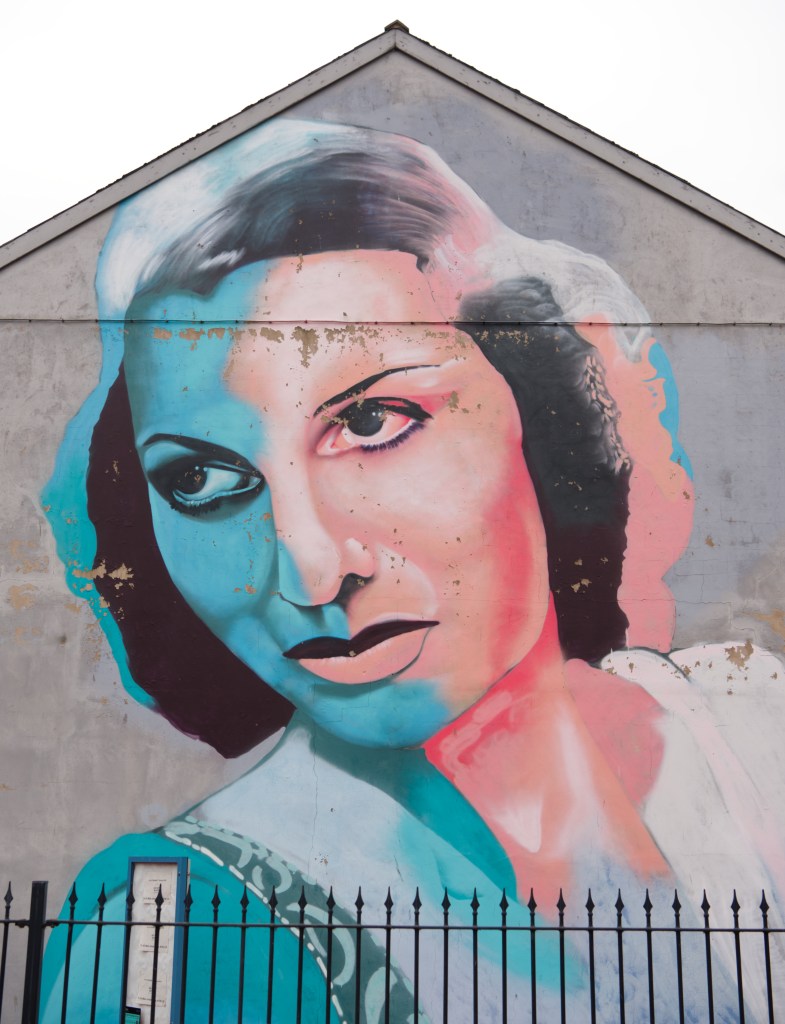
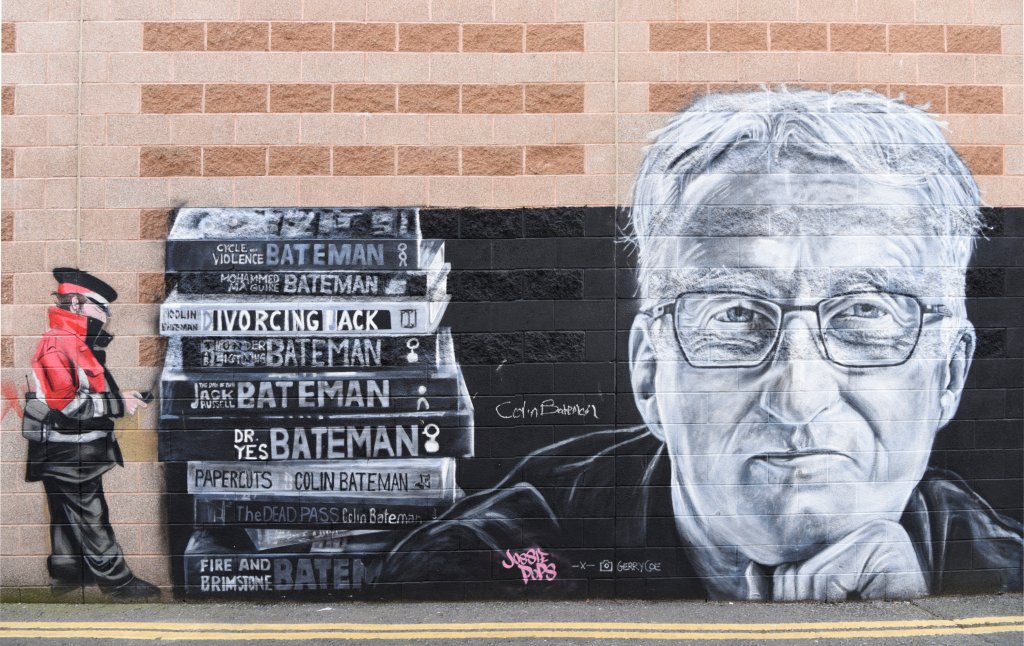
Northern Ireland has produced an extraordinary range of musicians, performers, writers, and artists whose influence extends far beyond the towns where they began their journeys. Murals celebrating these cultural figures connect local streets to broader cultural stories. They remind visitors that creativity often emerges from unexpected places and that even small communities can leave lasting marks on the wider world.
Northern Ireland’s industrial history runs deep, and traces of it can still be found throughout the region. Former mill towns, manufacturing centres, and railway communities increasingly use public art to acknowledge the work that defined local life for decades. These pieces often celebrate not famous individuals but ordinary people whose labour helped build the communities that exist today. Factory workers, farmers, fishermen, craftsmen, and tradespeople all find their place on walls that honour the everyday history of a town.
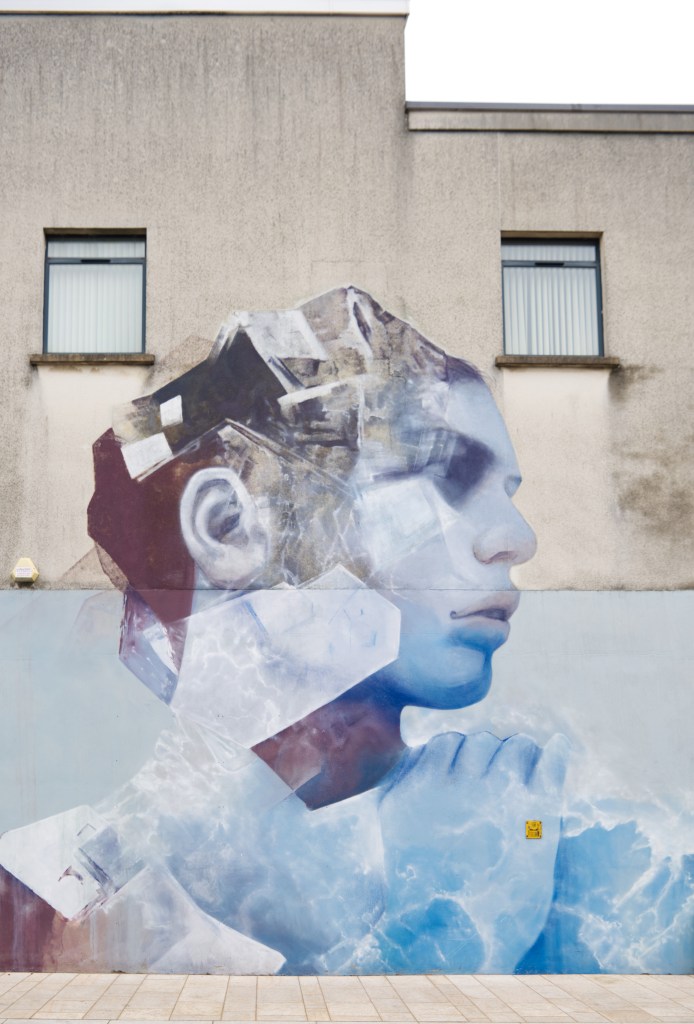
What makes these works particularly engaging is that they are not limited to looking backwards. Many contemporary murals celebrate the present as much as the past. Sporting success, music, arts, education, and community achievements all find expression through public art. Local pride becomes visible on walls that might otherwise have remained blank. The artwork reflects not only where a place has come from, but also celebrates today.
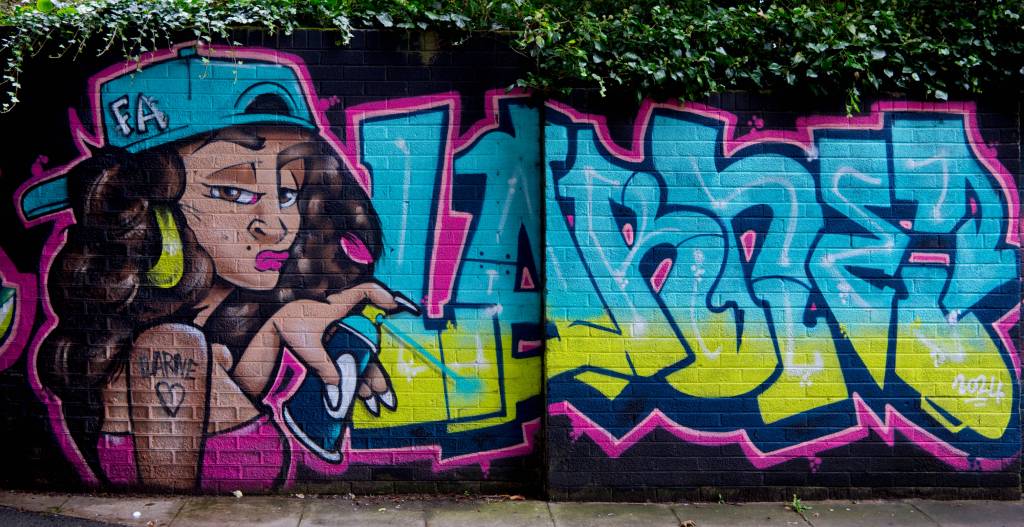
Sport provides some of the most recognisable examples. Across Northern Ireland, murals celebrate athletes, clubs, and achievements that have brought communities together. Whether focused on football, rugby, boxing, golf, hurling, or local sporting traditions, these works often become landmarks in their own right. They remind visitors that sport is more than entertainment. It forms part of a community’s shared identity and collective memory.
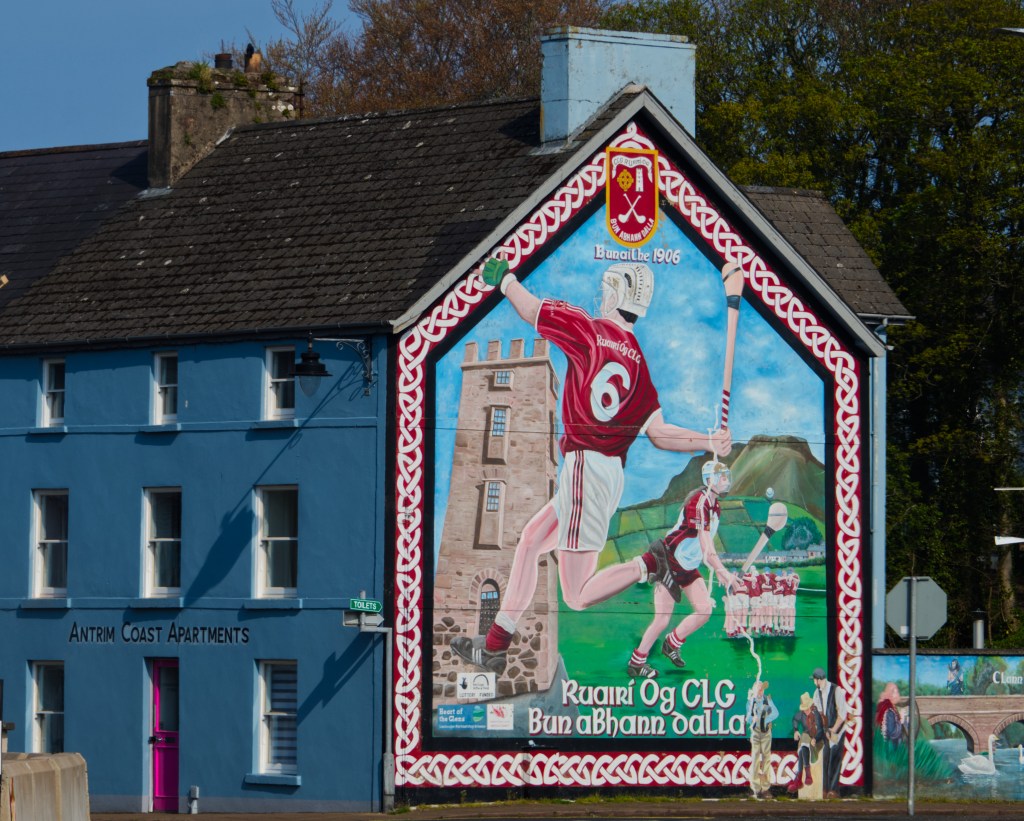
Alongside the murals that celebrate local history and identity, a newer generation of public artwork has emerged across Northern Ireland. While many communities continue to honour their past through painted walls, others have embraced contemporary works that focus on creativity, colour, and transforming public spaces. The result is a visual landscape where traditional storytelling sits comfortably alongside modern artistic expression.
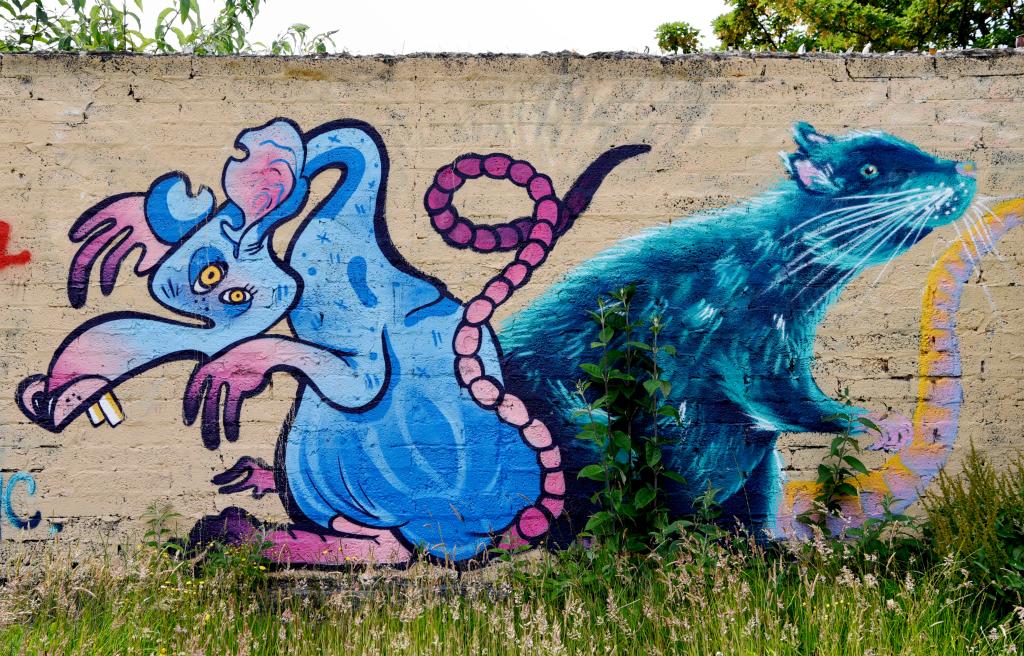
This shift can be seen in towns across the region. Walls that might once have been reserved solely for historical subjects are now being used to introduce large-scale contemporary artwork, abstract designs, nature-inspired pieces, and vibrant installations that bring new energy to public spaces. In some locations, the goal is not necessarily to tell a specific story, but to transform an ordinary street, brighten a neglected corner, or create a landmark that encourages people to stop and look a little longer.
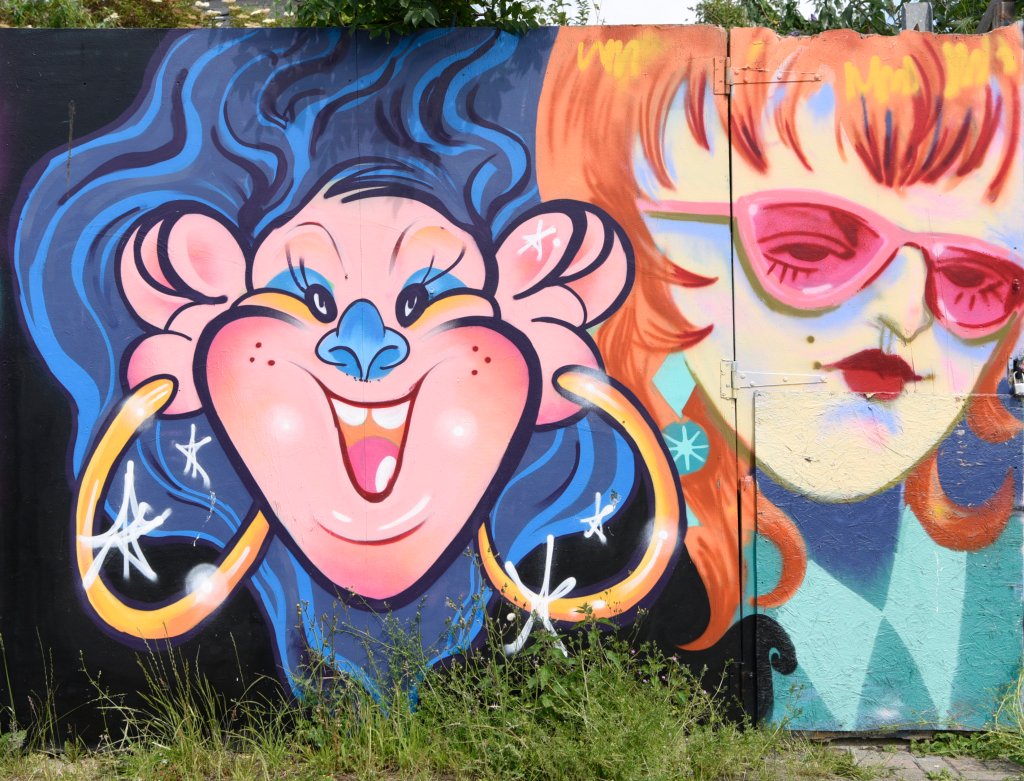
The influence of wider artistic trends is also becoming more visible. Artists working throughout Northern Ireland are increasingly connected to creative movements across Ireland, the United Kingdom, and Europe. Techniques, styles, and ideas that once belonged primarily to urban art scenes have found their way into smaller towns and communities. Yet rather than losing their local character, many of these works have adapted to their surroundings, creating a blend of contemporary creativity and regional identity.
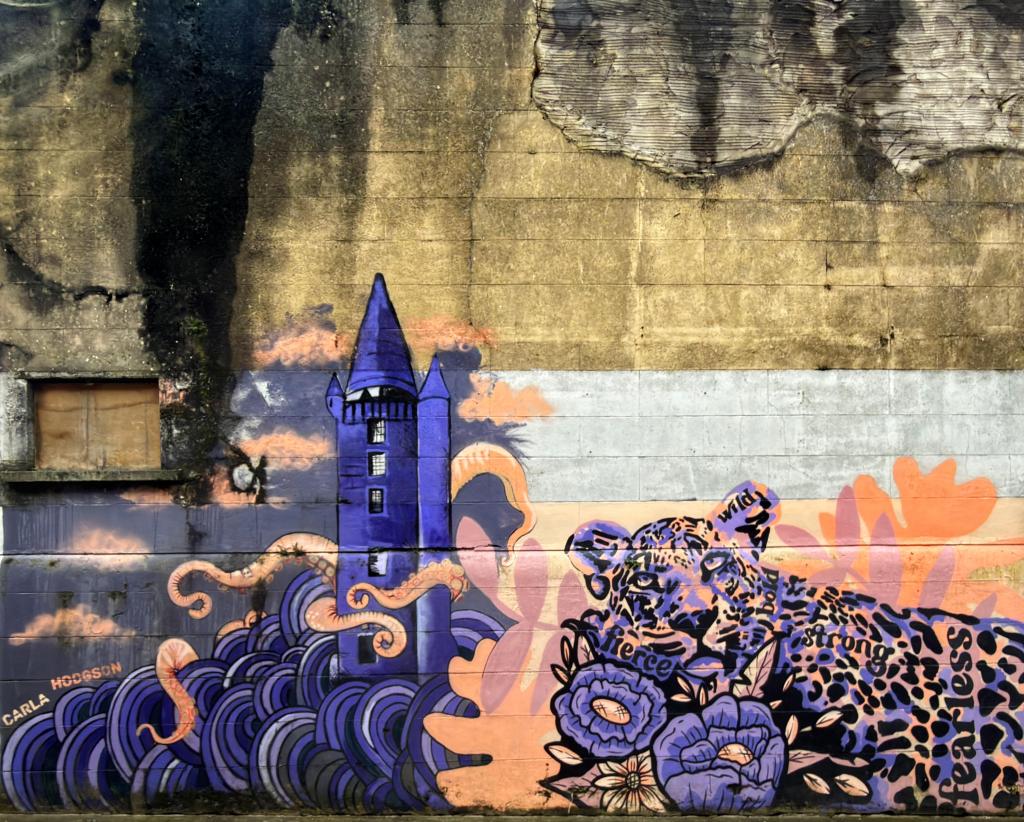
Public art has also become an increasingly important tool for regeneration. Across many towns, murals have helped transform neglected walls, unused spaces, and overlooked streets into places that attract attention and encourage exploration. A single artwork can alter how people perceive an area. It can introduce colour where there was once only concrete, create interest where there was previously little reason to stop, and foster a renewed sense of pride among residents.
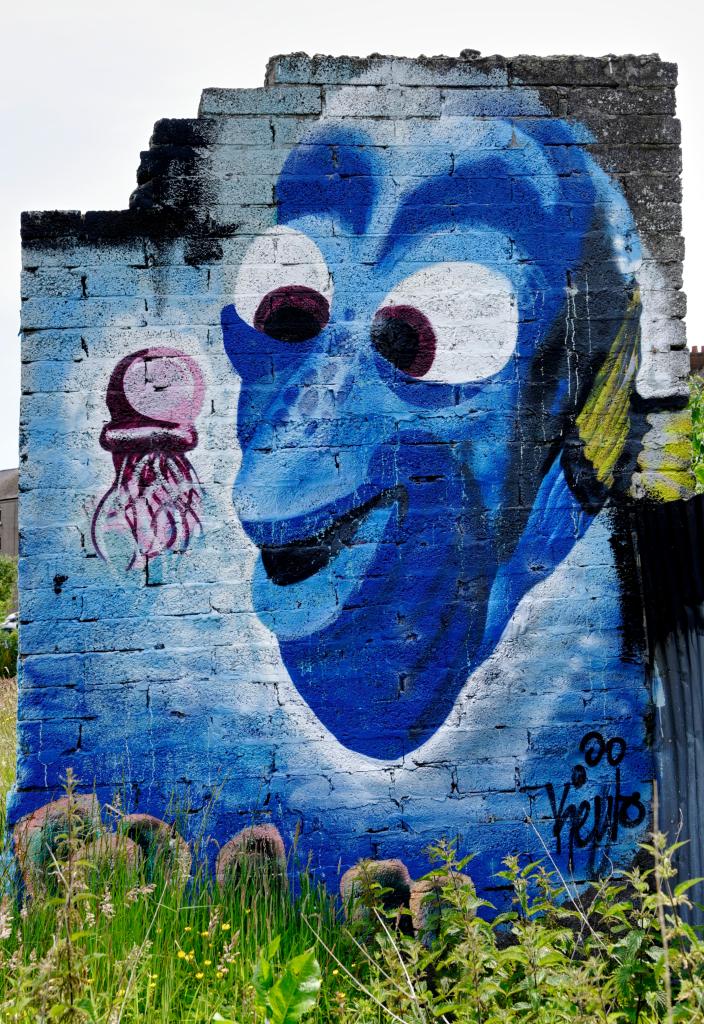
As a result, travelling through Northern Ireland today often reveals an unexpected mix of artistic styles. A mural celebrating local heritage may stand just a few streets away from a striking modern artwork filled with colour and movement. A realistic portrait might share the same town as a large-scale abstract piece designed simply to transform a public space. Together they create a visual landscape that feels constantly evolving while remaining connected to the communities around it.
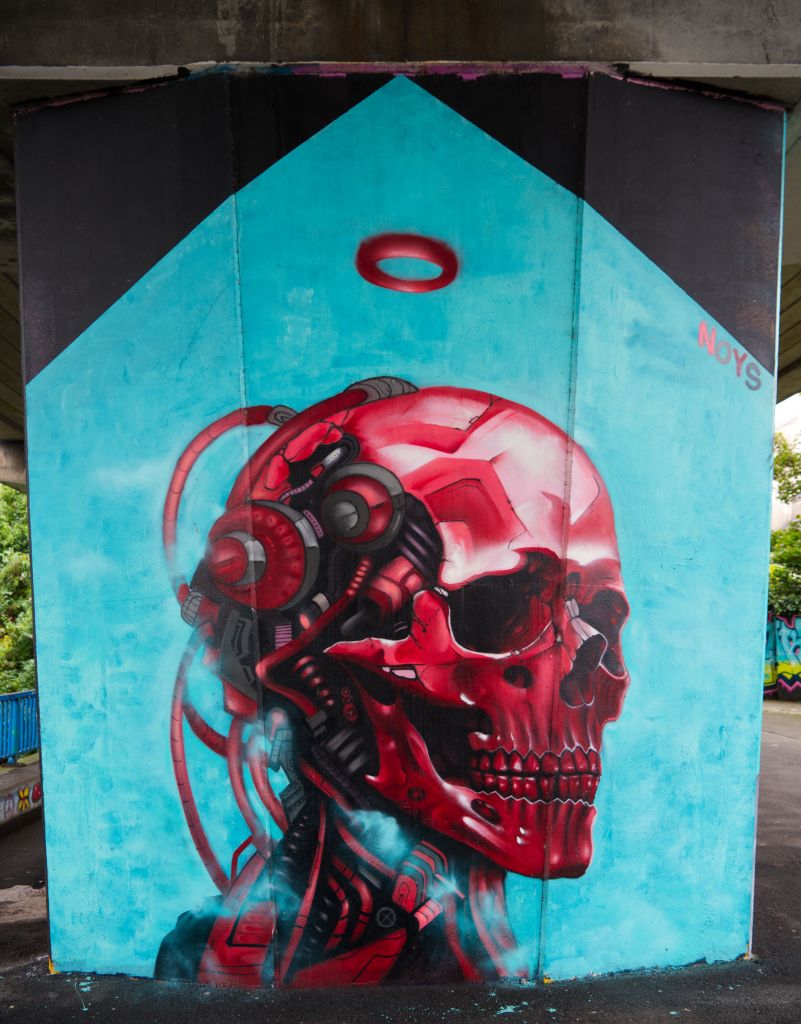
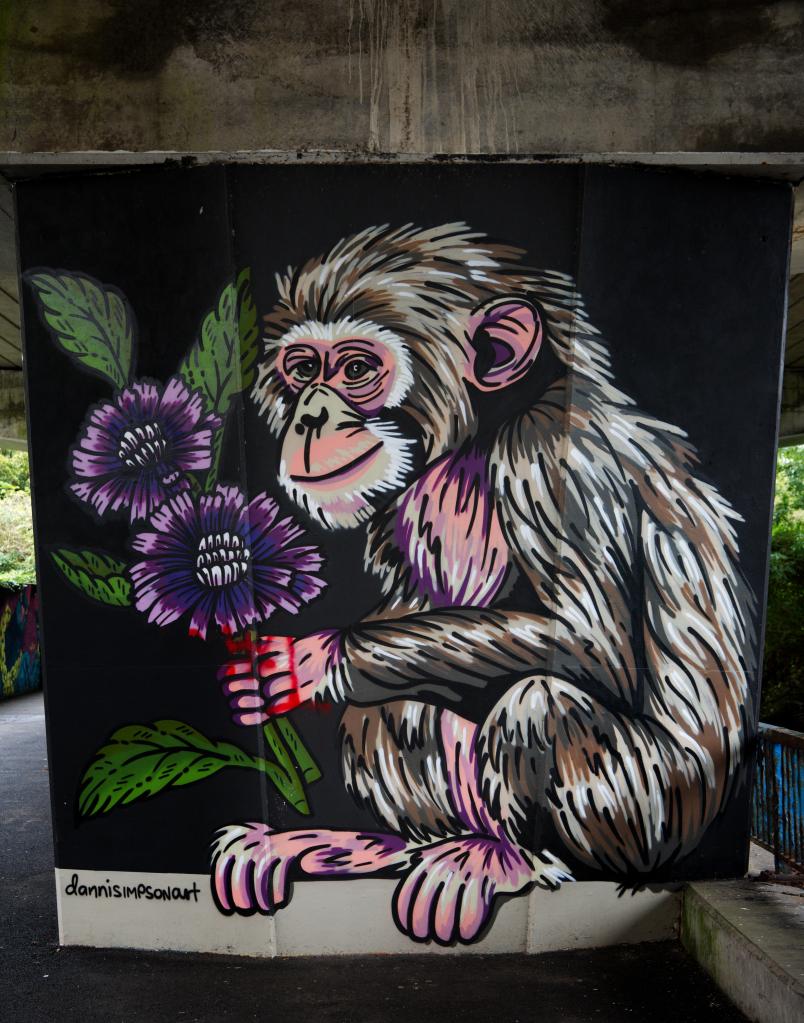
For visitors, this adds another layer to the experience of exploring the region. The walls no longer serve only as reminders of the past. They also reflect the confidence, creativity, and artistic ambition found within Northern Ireland today. Public art has become part of how towns present themselves, contributing to the character of a place in much the same way as architecture, landscapes, or local landmarks.
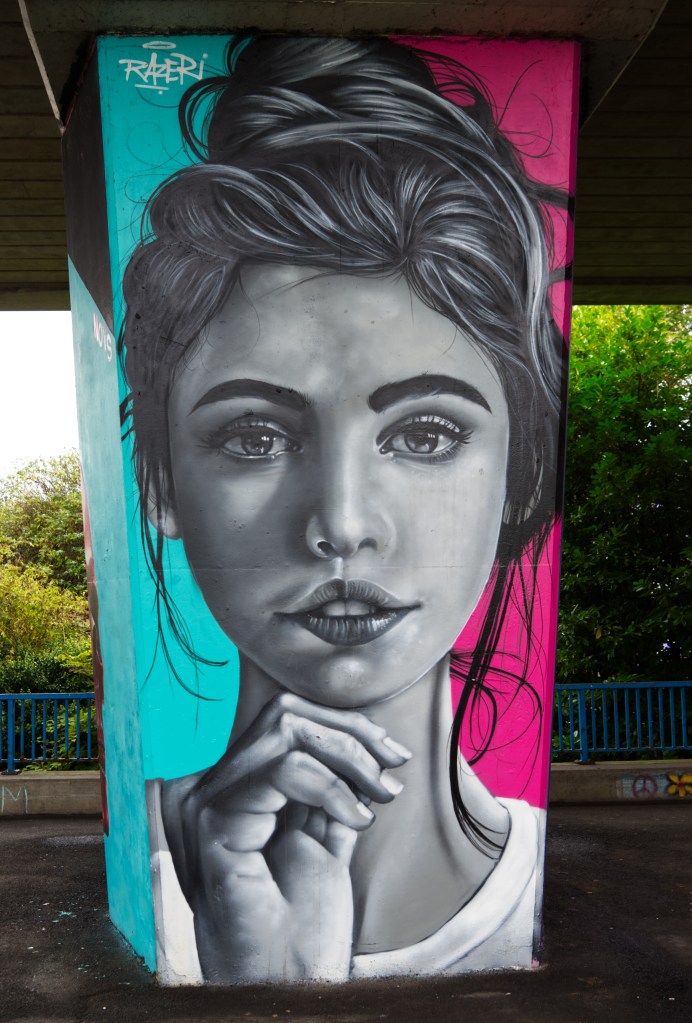
For those willing to venture beyond the familiar routes, these artworks offer more than colourful photographs. They provide another way of understanding the places that make up Northern Ireland. Each town tells its story differently. Each wall reveals something unique. Taken together, they form a collection of visual landmarks that stretches far beyond any single city, connecting communities through creativity, identity, and a shared appreciation for the power of public art.
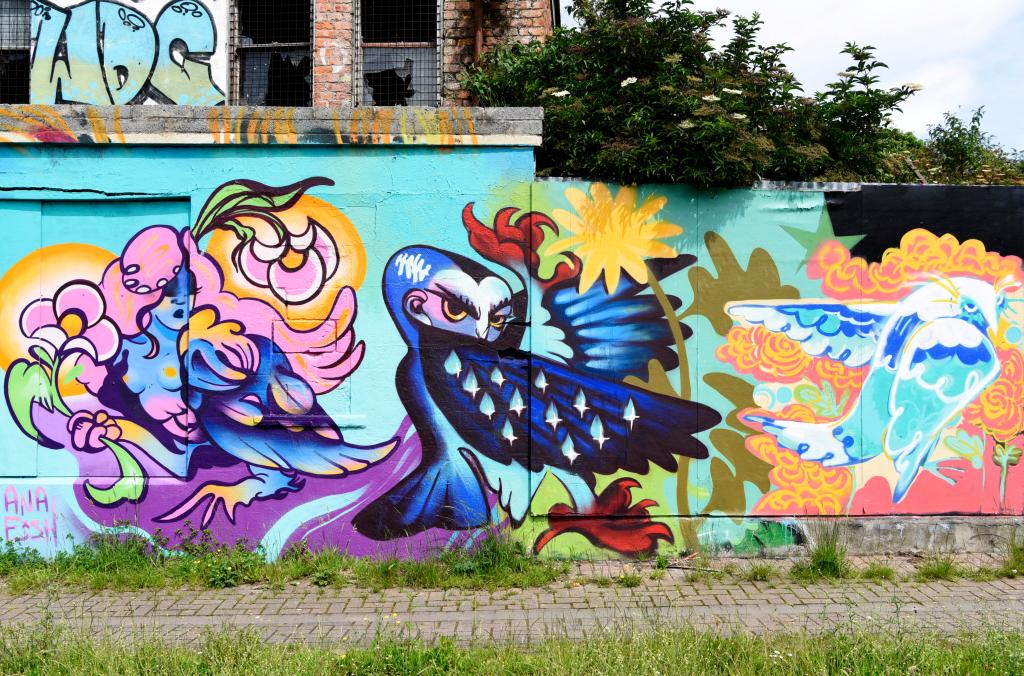
Perhaps that is what makes these murals and artworks so compelling. They reveal a Northern Ireland that is continually changing while remaining rooted in its communities. Some walls preserve memories. Others celebrate achievement. Increasingly, many simply provide space for creativity to flourish in public view. Together they create a portrait of a region that is both proud of its history and comfortable embracing new forms of expression. For those willing to venture beyond the familiar routes, Northern Ireland’s wall art offers something more than colourful imagery. Each mural contributes a small piece to a much larger story, one painted across towns, villages, harbours, and streets throughout the region.
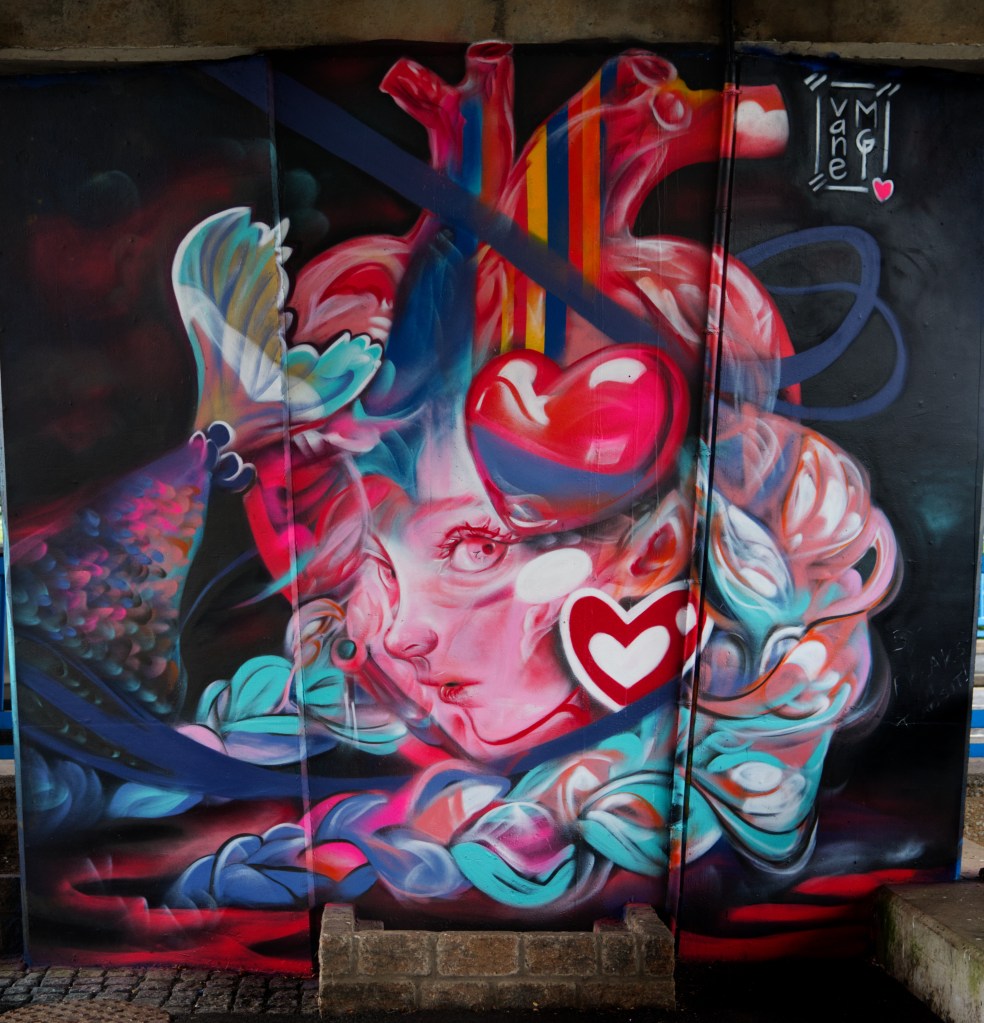
Many of the artworks featured throughout this article were created by talented artists who have helped shape the visual character of communities across Northern Ireland. Their creativity, skill, and dedication continue to transform public spaces, bringing colour, meaning, and identity to towns and villages throughout the region. All artwork remains the property of the respective artists and creators. We encourage readers to seek out the artists behind these works, many of whom share their portfolios and latest projects online, helping to support and celebrate the people whose creativity continues to enrich Northern Ireland’s streets and communities.


Leave a Reply