
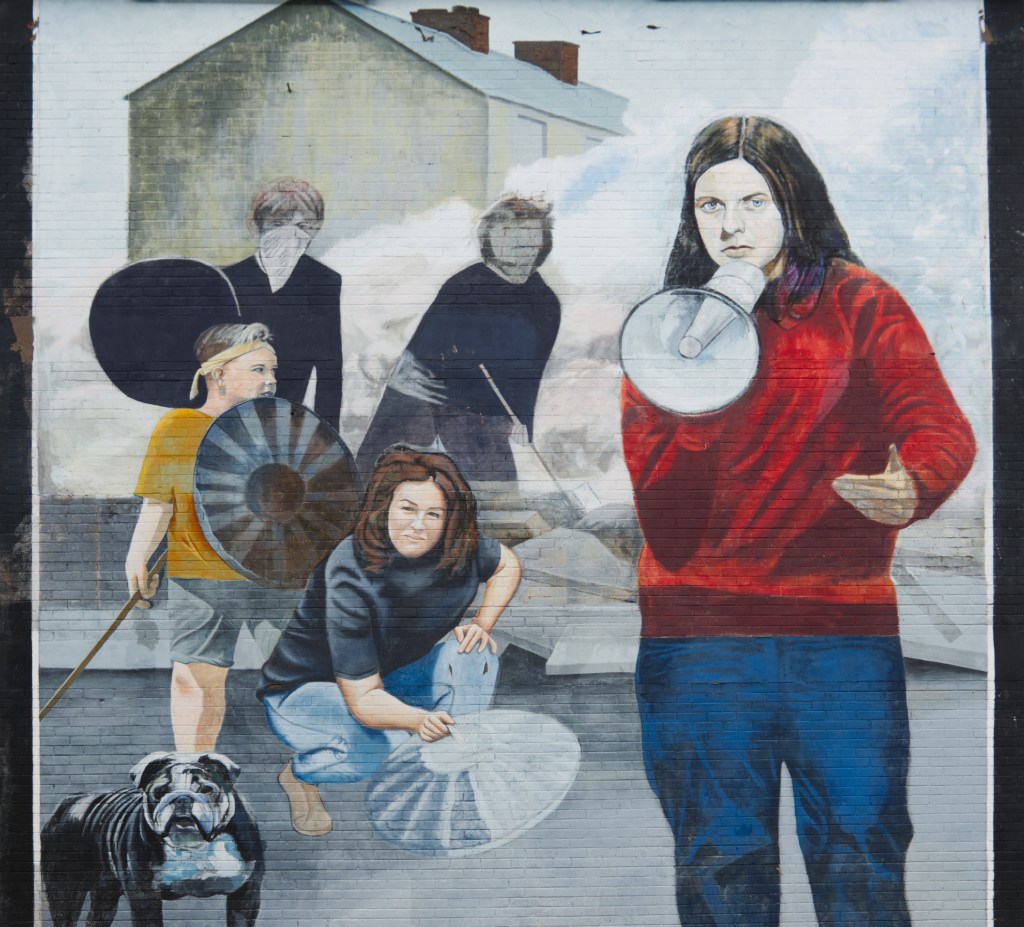
Visitors arriving in Derry often come looking for history. They find it in the city walls, in the streets that run beneath them, and in the landmarks that have become part of Northern Ireland’s story. Yet nowhere is that history more visible than in the Bogside. Here, a collection of murals has turned ordinary residential streets into one of the most recognised outdoor galleries in Ireland, not through celebration or decoration, but through remembrance.
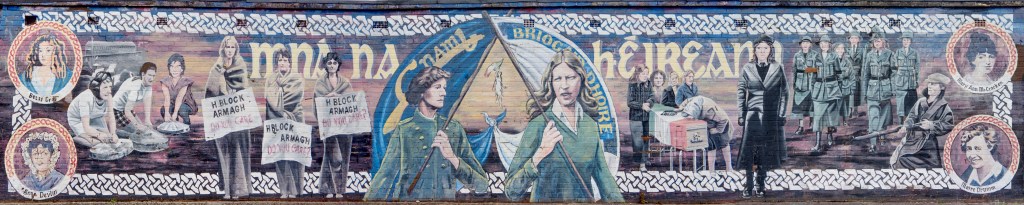
Unlike many murals found elsewhere, the artwork in the Bogside was never intended to transform the area into an arts destination. The walls became canvases because there were stories that local people felt should not disappear. The result is a collection of paintings that remains deeply connected to the events of the late 1960s and early 1970s, particularly Bloody Sunday, an event that continues to shape how Derry is understood more than fifty years later.
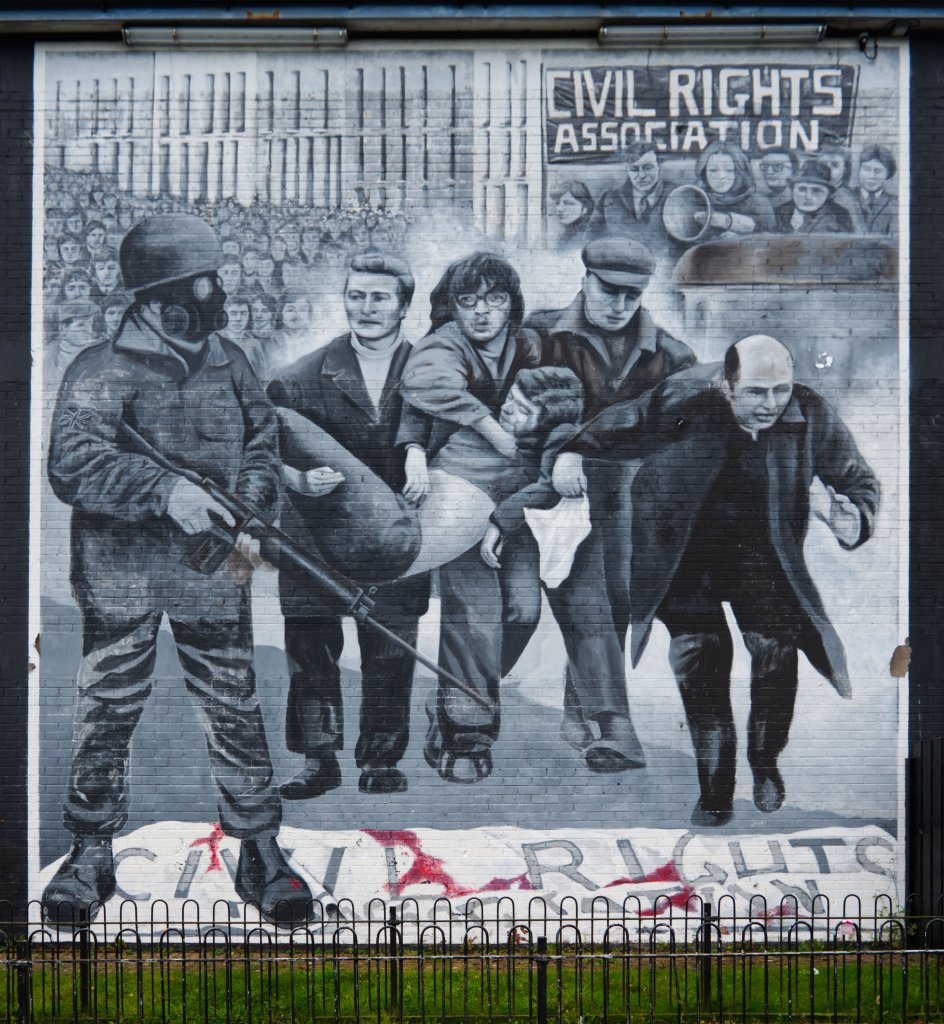
For anyone unfamiliar with the city, Bloody Sunday refers to the events of 30 January 1972, when a civil rights march in Derry ended with British soldiers from the Parachute Regiment opening fire on demonstrators. Thirteen people were killed that day, with a fourteenth later dying from injuries. The impact on Derry was immediate and profound. The shootings became one of the defining moments of the Troubles and left a mark on the city that remains visible today.
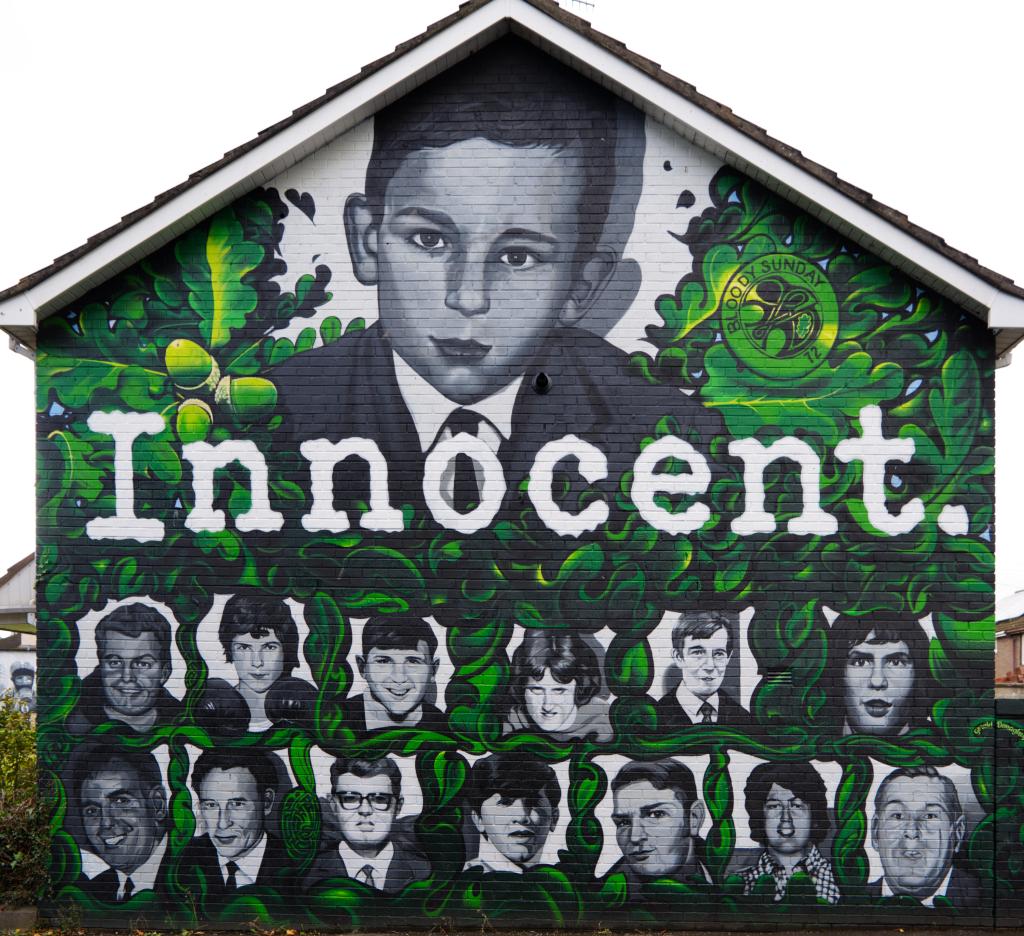
The Bogside was not chosen as the location for these murals by chance. It was the community at the centre of many of the events being remembered. The streets where visitors stand today were the same streets where marches took place, where residents experienced the tensions of the period, and where the aftermath of Bloody Sunday was felt most deeply. Because of this, the murals feel less like public artworks and more like part of the landscape itself.
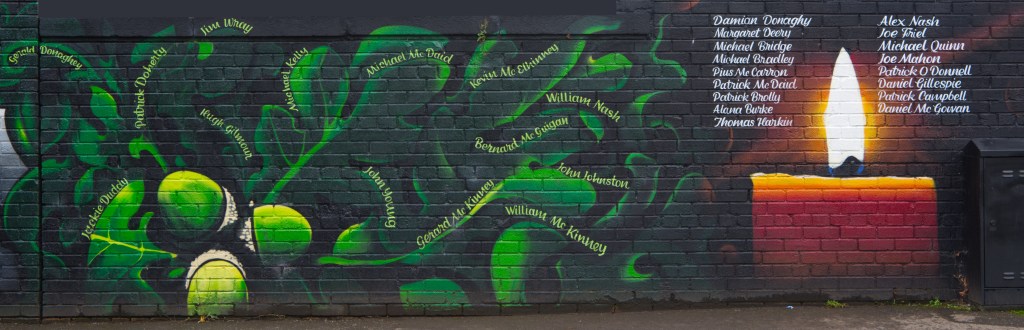
Walking through the Bogside, there is no formal route and no museum-style entrance. The artwork simply appears among houses and side streets, woven into the neighbourhood. One wall leads to another, and gradually a picture emerges, not just of a single event but of an entire period in the city’s history. The murals do not attempt to tell every detail. Instead, they capture moments that have become embedded in local memory.
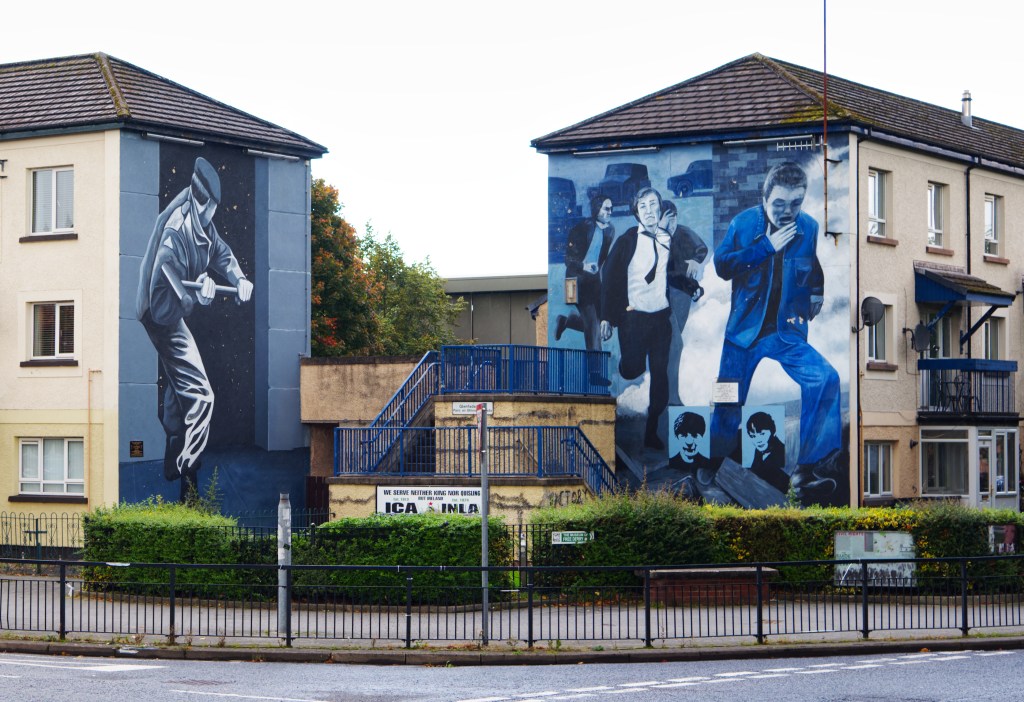
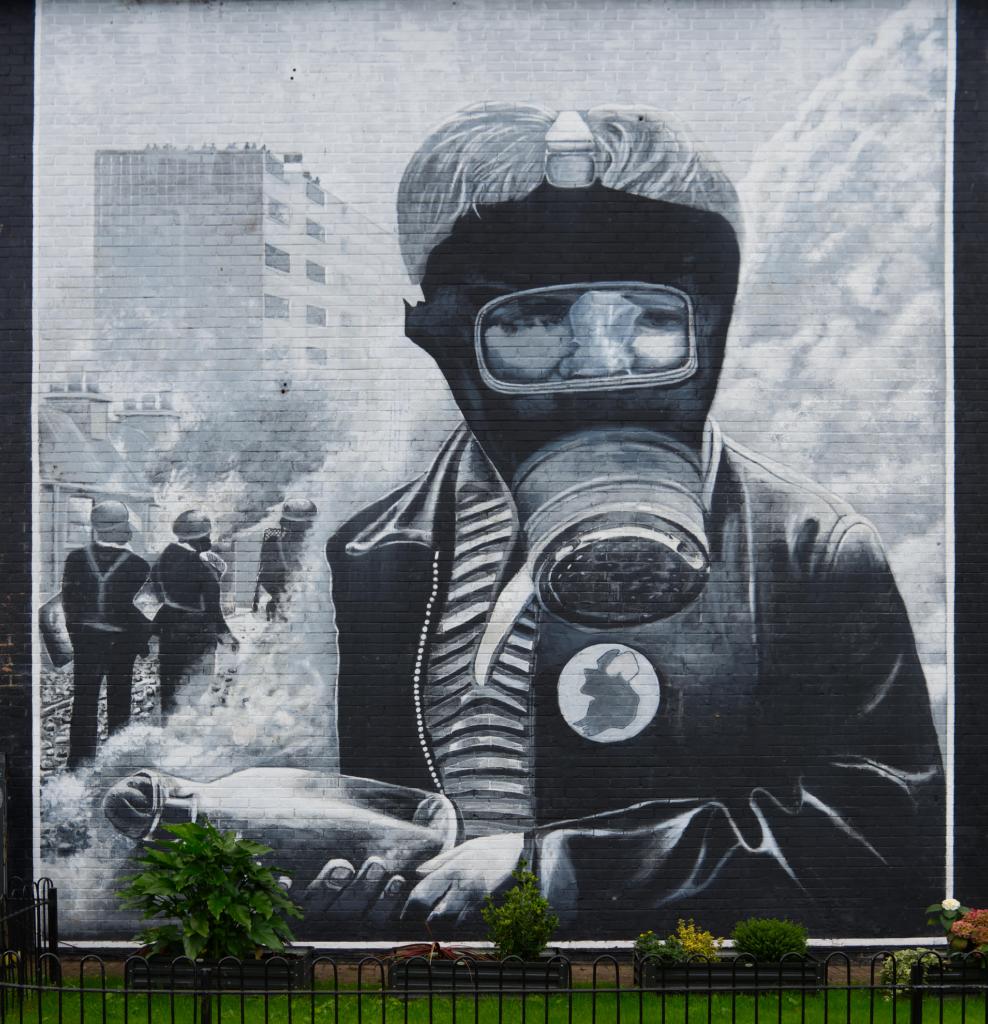
Perhaps the most recognisable is the image of the young boy wearing a gas mask while holding a petrol bomb. It is an image that has become synonymous with the Bogside and one of the most reproduced mural photographs in Northern Ireland. There is very little happening within the composition itself. A single figure dominates the wall. Yet that simplicity is part of its strength. It captures the atmosphere of a period when unrest had become part of everyday life and when even ordinary streets could become the setting for extraordinary events.
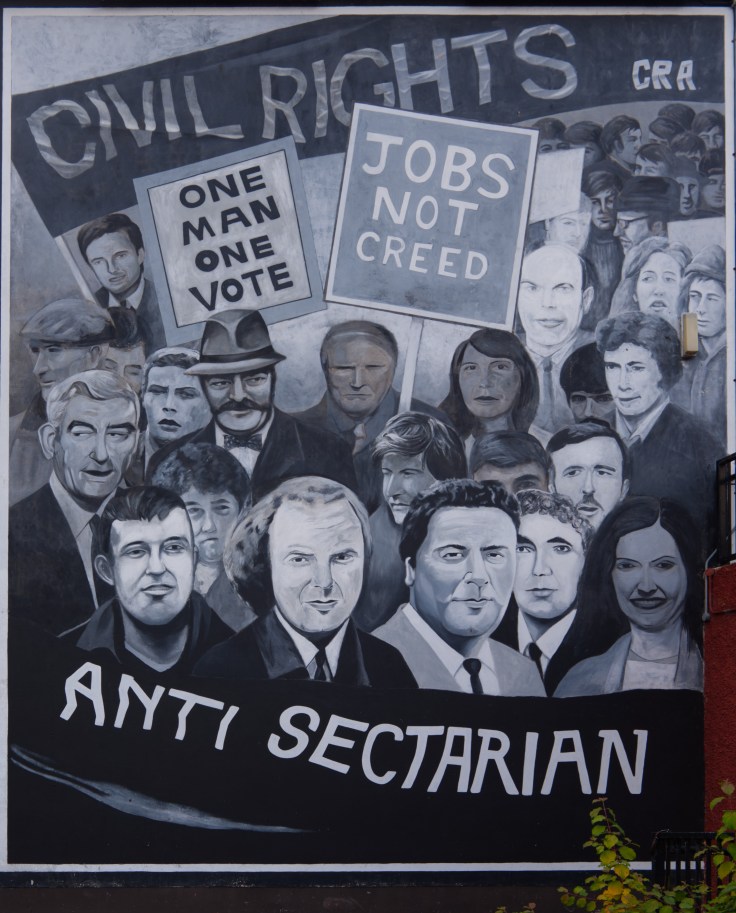
Nearby, another mural depicts a civil rights march moving through the city. It is one of the most important pieces in the collection because it reminds visitors that the story did not begin with violence. Long before Bloody Sunday became known around the world, people were marching to demand change. The mural reflects a moment of determination and optimism that is sometimes overshadowed by the events that followed. Looking at it today provides a useful reminder that the Bogside’s story is about more than conflict alone.
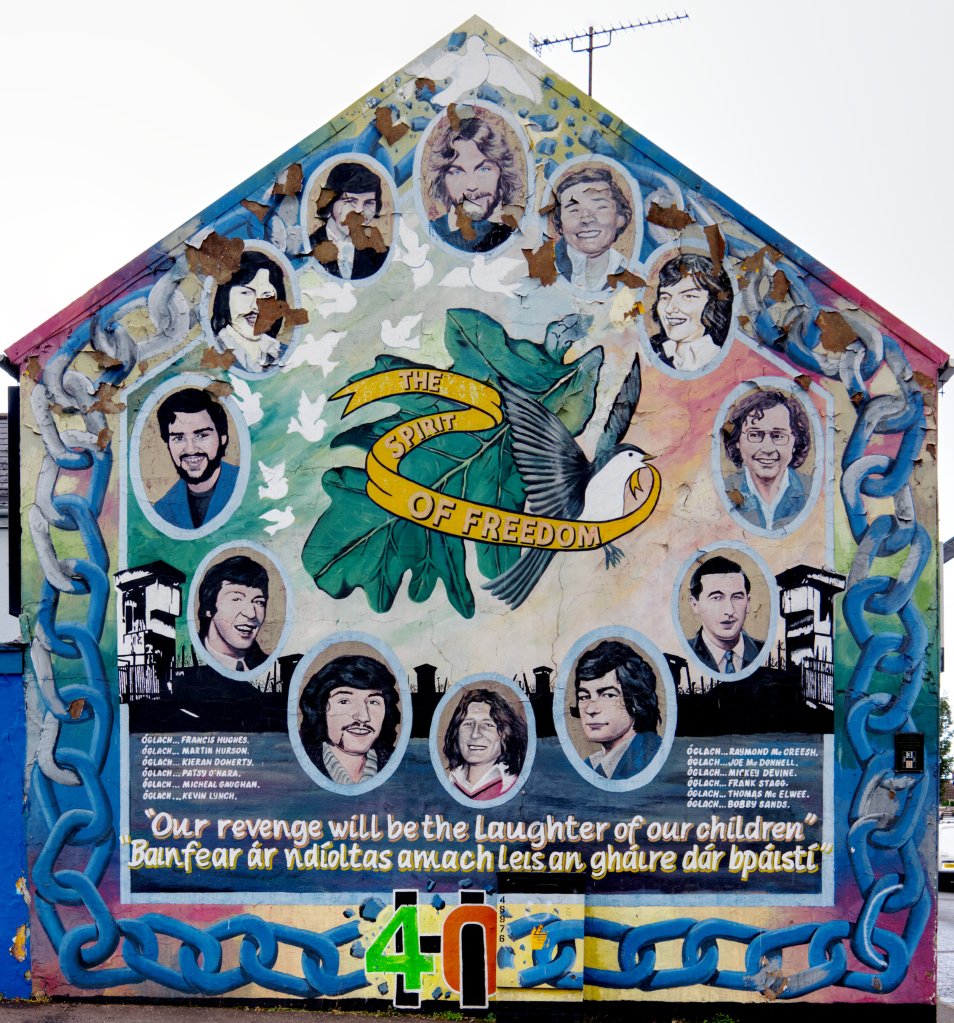
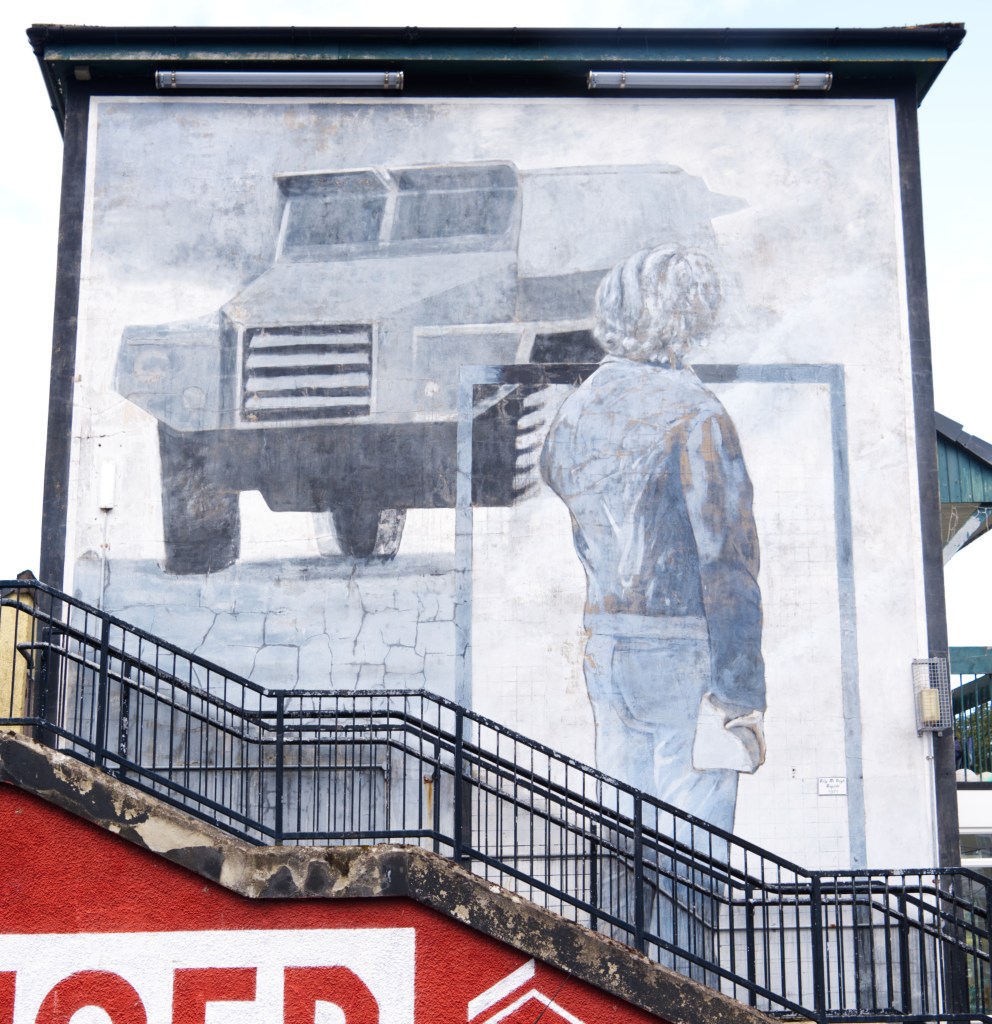
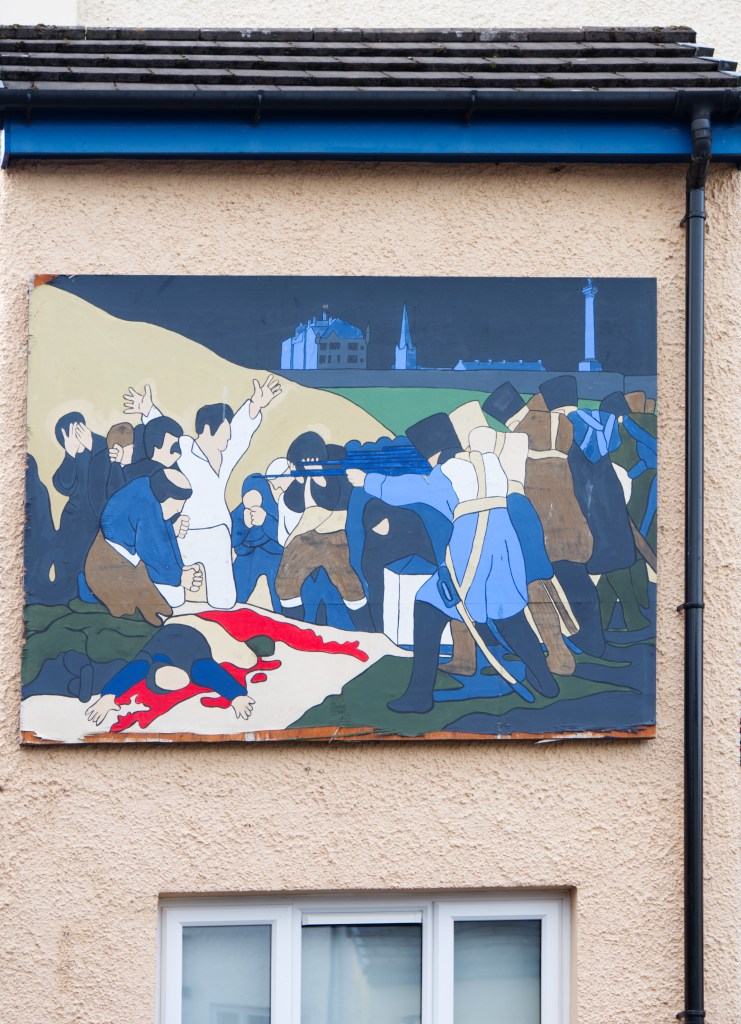
Other murals focus more directly on the human consequences of the Troubles. Rather than relying on political slogans or dramatic symbolism, they often centre on individuals, moments, and experiences. Faces appear repeatedly throughout the collection. Some are instantly recognisable, while others require a little more context. Together they create a visual record that feels intensely personal, rooted in the experiences of those who lived through the period rather than in broad historical narratives.
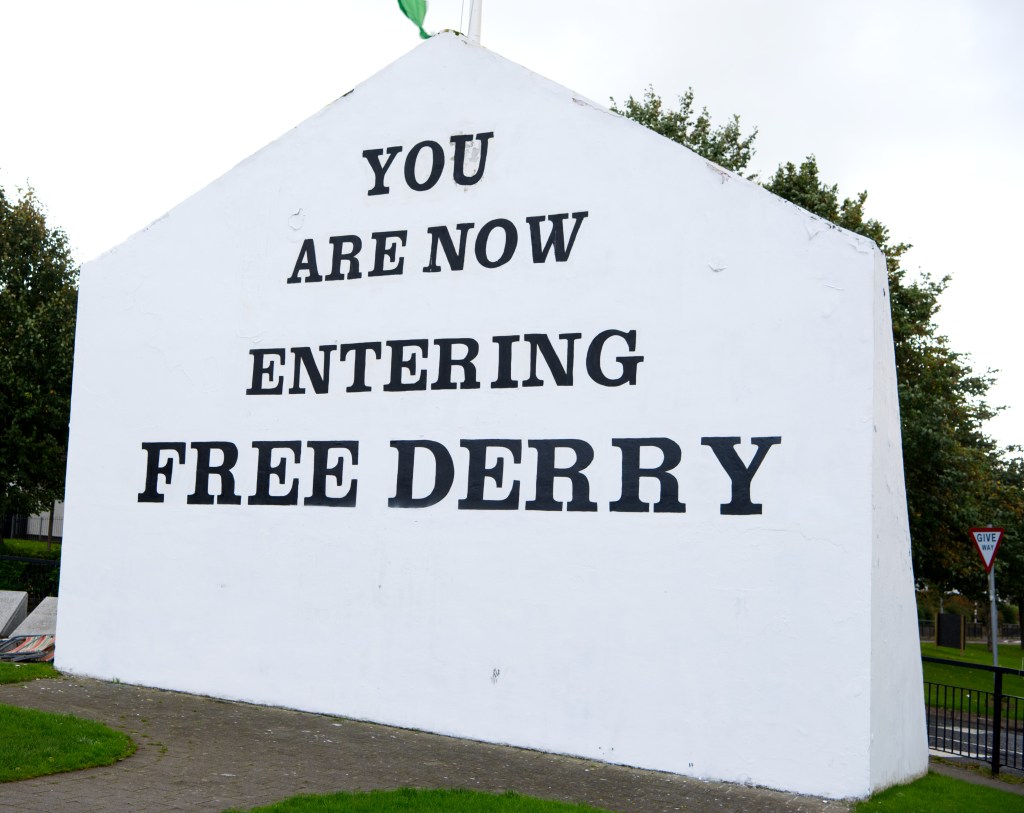
Free Derry Corner sits at the heart of this landscape. While technically not a mural in the same sense as the larger painted works nearby, it remains one of the most photographed locations in the city. The famous painted words have become an international symbol, appearing in countless books, documentaries, and news reports. For many visitors it marks the beginning of their exploration of the Bogside, providing a connection between the physical place and the history that unfolded there.
What makes the murals particularly effective is that they do not feel isolated from their surroundings. In many cities, public art is placed into carefully planned cultural districts or regeneration projects. The Bogside developed differently. Here, the murals remain where they were intended to be, surrounded by the streets and buildings that give them meaning. The neighbourhood itself becomes part of the artwork’s context.
That relationship between place and memory is what continues to draw visitors to the area. People arrive to see the murals, but often leave talking about the streets. Rossville Street, the area around Free Derry Corner, and the wider Bogside all contribute to the experience. The artwork encourages visitors to look beyond the walls and consider the environment around them. History feels less distant when it can be connected to a specific location rather than a chapter in a book.
Over time, the murals have become some of the most important examples of commemorative public art in Europe. They are studied by historians, visited by travellers, and referenced in discussions about public memory and political art. Yet despite their international reputation, they remain remarkably local. Their meaning is still tied to Derry, to the Bogside, and to the events that shaped the community.
More than five decades after Bloody Sunday, the murals continue to serve the purpose for which they were created. They keep stories visible. They encourage conversation. They offer visitors a way of understanding the city through the places where history happened rather than through distant interpretation. Whether viewed as artworks, memorials, or historical markers, they remain among the most powerful visual reminders of Derry’s recent past.
The Bogside has changed considerably since the early 1970s. New generations have grown up, the city has evolved, and visitors now arrive from around the world to explore a place once known primarily through news coverage. Yet the murals remain. They continue to watch over the streets where they were painted, preserving moments that shaped both the neighbourhood and the wider story of Northern Ireland.
The Bogside has changed considerably since the early 1970s. New generations have grown up, the city has evolved, and visitors now arrive from around the world to explore a place once known primarily through news coverage. Yet the murals remain. They continue to watch over the streets where they were painted, preserving moments that shaped both the neighbourhood and the wider story of Northern Ireland.
All artwork featured within the Bogside remains the property of the respective artists and creators. Their work continues to preserve an important visual record of Derry’s history while contributing to one of the most significant collections of public art in Ireland.


Leave a Reply