
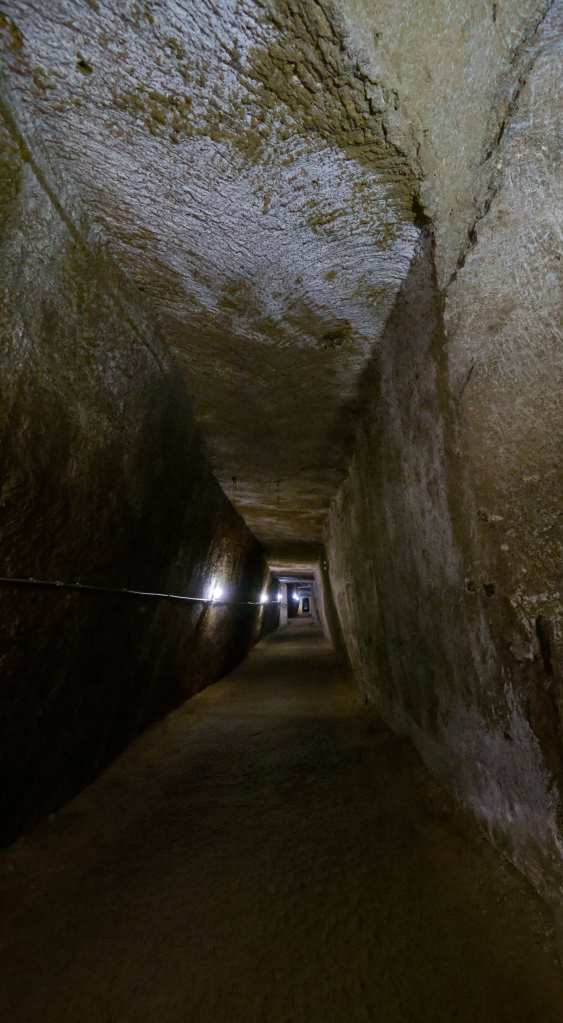
There is another Naples beneath the Naples that most visitors know. Above ground, the city is a restless mixture of narrow streets, ancient churches, balconies crowded with laundry, scooters squeezing through impossible gaps and voices spilling from cafés and doorways. Beneath all of this, hidden in the volcanic rock, another world stretches through the darkness. Its history reaches back more than two thousand years and begins with something far more practical than war or escape.
The story begins with water.
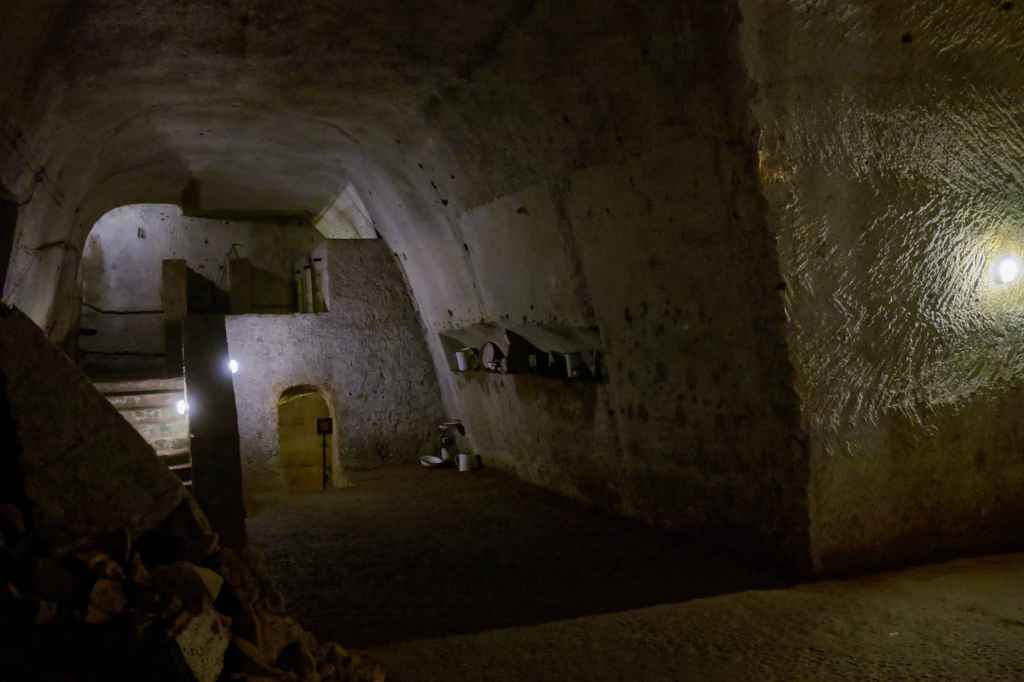
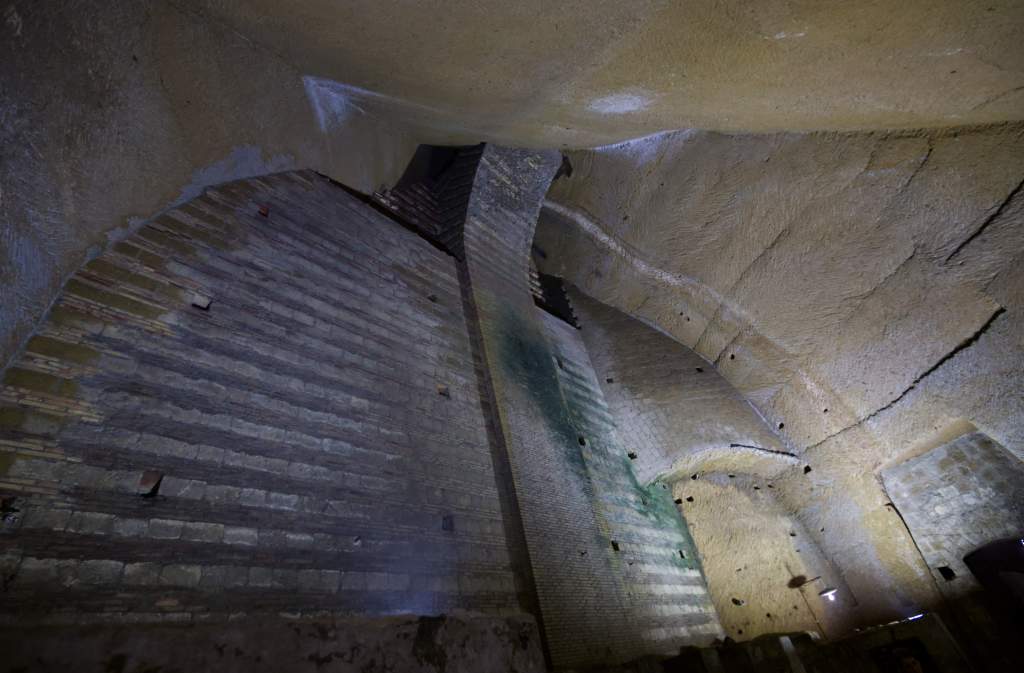
For centuries, the people of Naples depended upon an underground network of wells, cisterns, channels and aqueducts hidden beneath their homes. The volcanic tuff that forms much of the city’s foundations was remarkably useful. It could be cut relatively easily, yet was strong enough to support large chambers and tunnels. The excavated spaces became part of an underground infrastructure that supplied water to the city above.
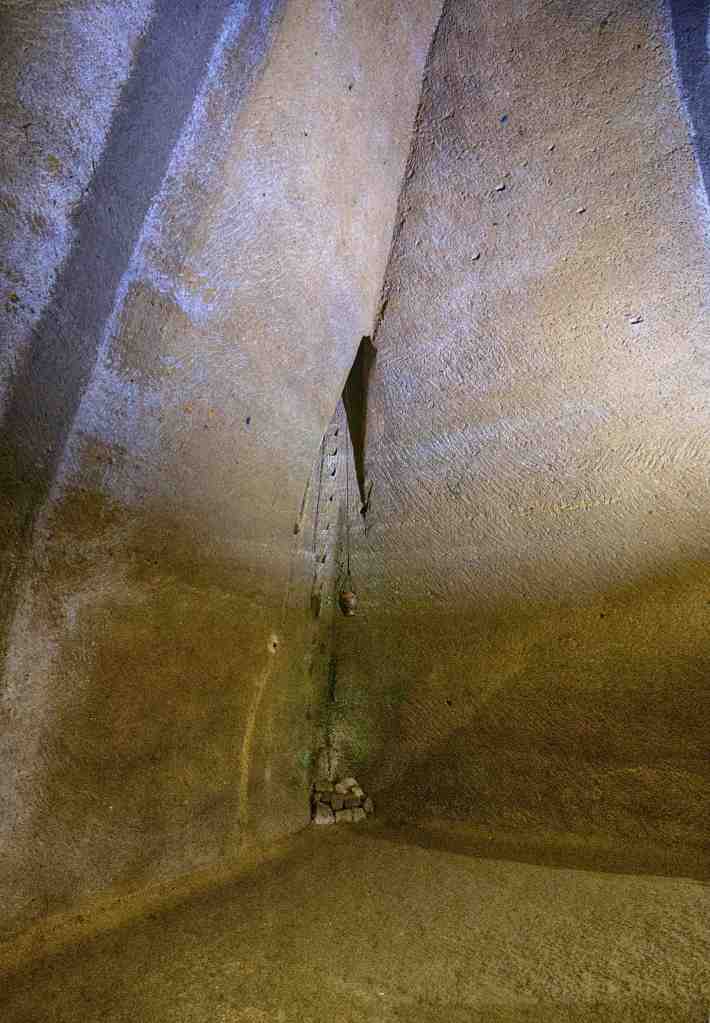
The soft volcanic tuff beneath Naples proved extraordinarily useful to the people who settled here. The Greeks who established Neapolis discovered that the stone could be cut relatively easily, making it an excellent building material. As blocks were removed to construct walls and buildings, the excavations created empty spaces beneath the city. Over generations, those spaces were enlarged, connected and put to new uses, gradually producing the complicated underground landscape that exists today.
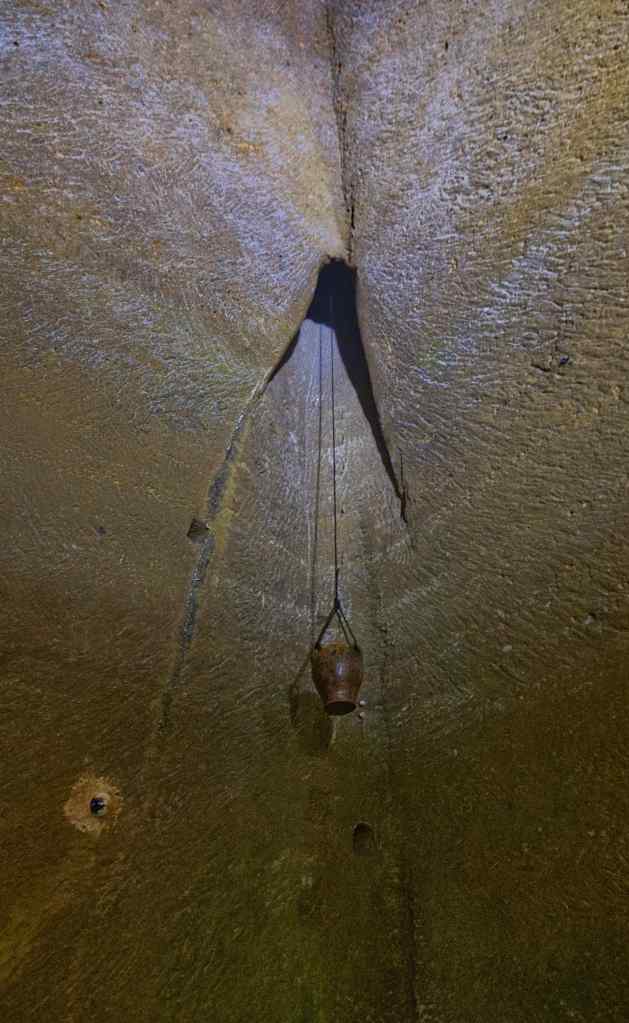
Water became one of the most important reasons for expanding this hidden world. As Naples grew, so did the need for a dependable supply, and underground chambers offered an ideal way to collect and store it. Wells were cut deep into the rock, while cisterns provided reservoirs beneath the homes and streets. From the surface, small openings and shafts gave access to a water system that was largely invisible to the people living above it.
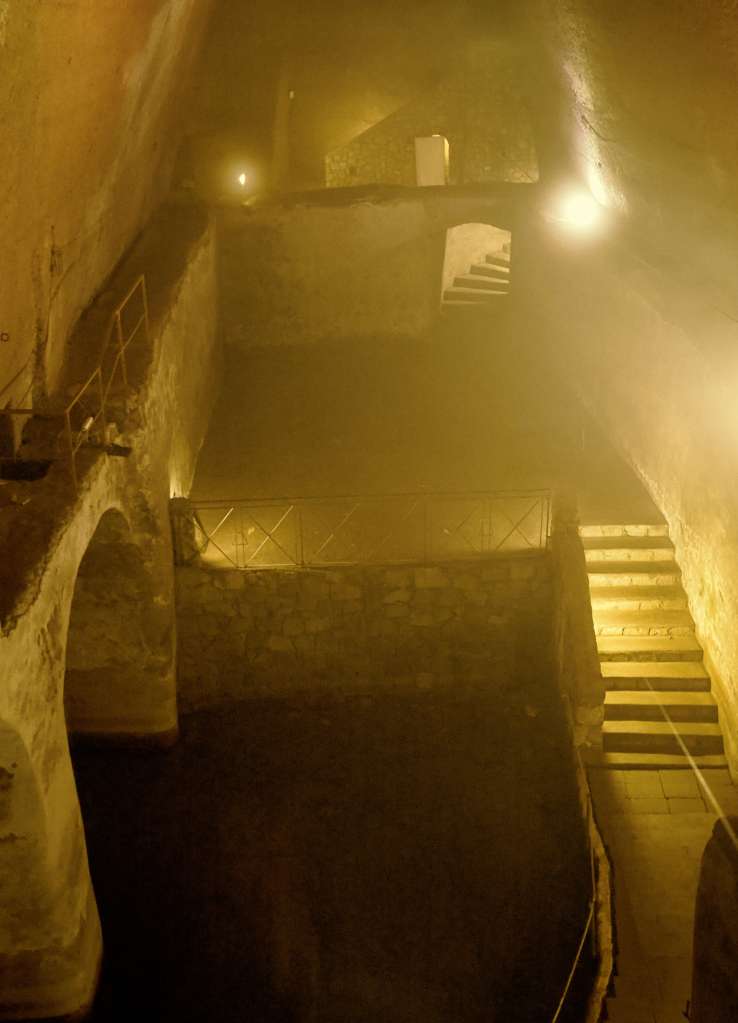
The Romans took this underground infrastructure to another level. Their engineers developed an extensive aqueduct system capable of bringing water from springs far beyond Naples and distributing it throughout the city. Channels were cut through the volcanic rock, sometimes running for considerable distances before reaching underground reservoirs. The water could then be collected, stored and drawn up through wells whenever it was needed.
The people responsible for maintaining these wells became an important part of the underground story. Known as pozzari, they worked below the city in a world of narrow passages, shafts and cisterns. Their work required an intimate knowledge of the tunnels and the water system, allowing them to keep the reservoirs functioning while the city above continued its daily life. For centuries, the underground was not a forgotten archaeological curiosity. It was working infrastructure.
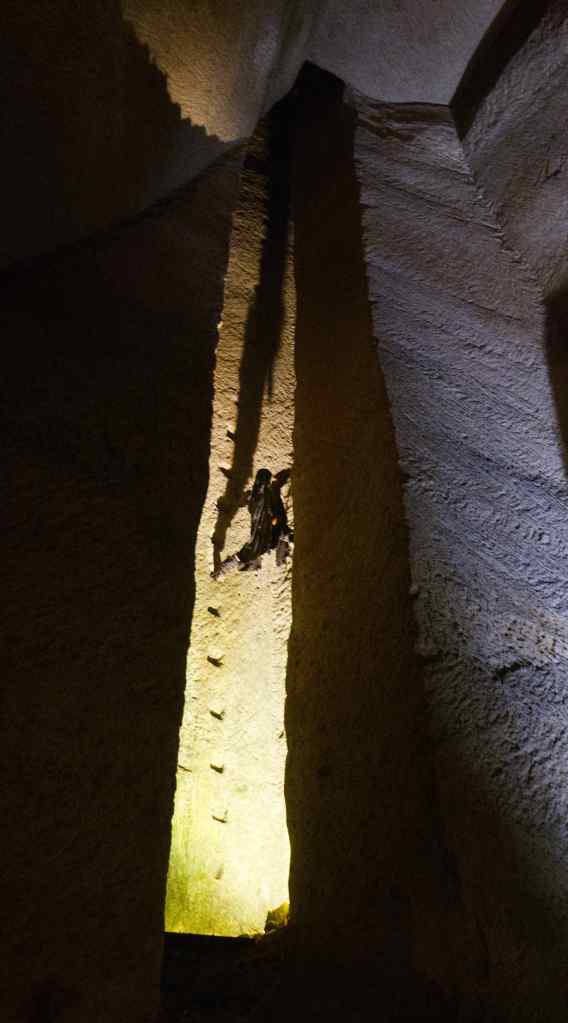
The system continued to evolve long after the Roman period. Later rulers and engineers added new aqueducts, channels and reservoirs as Naples expanded. The Carmignano aqueduct, constructed in the seventeenth century, became another important part of the city’s water supply. Existing underground spaces could be adapted, while new passages were cut into the tuff to accommodate the changing needs of the city.
There was another reason for the continuing growth of the subterranean world. The same volcanic stone that made the tunnels possible was needed to build Naples itself. Tuff could be quarried directly beneath the city, with shafts leading down from the surface and large chambers being excavated horizontally. The stone was carried upward and used for buildings, while the resulting cavities remained below.
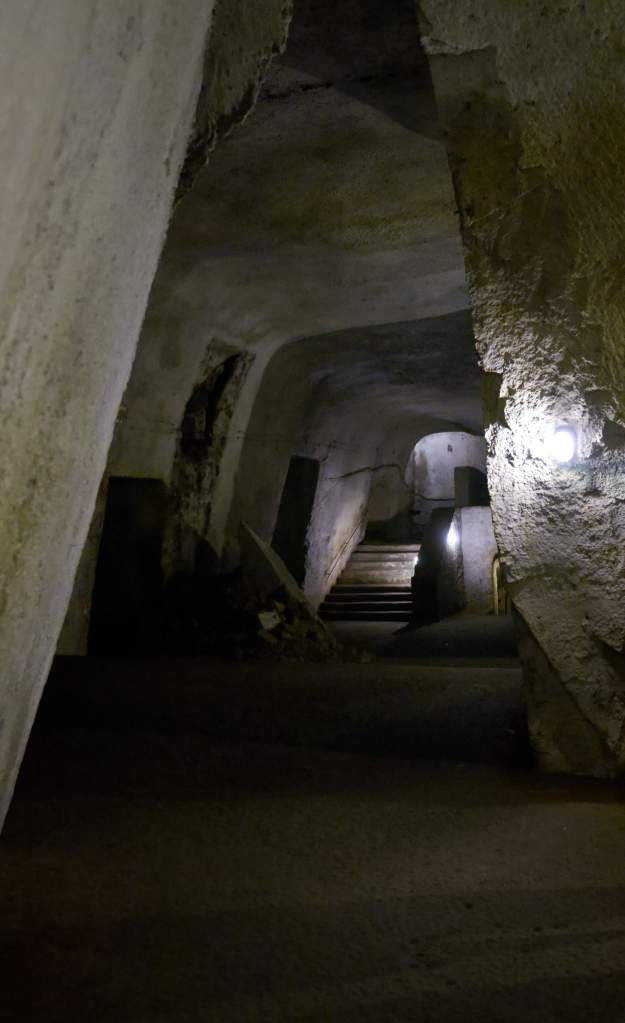
Over many centuries, this created a strange relationship between the city and its foundations. Naples was literally being built from the ground beneath it. Every block removed for a wall or building left another piece of empty space underground, and those spaces were often reused rather than abandoned. Wells appeared inside homes, cisterns occupied large chambers and passages connected one section of the subterranean network with another.
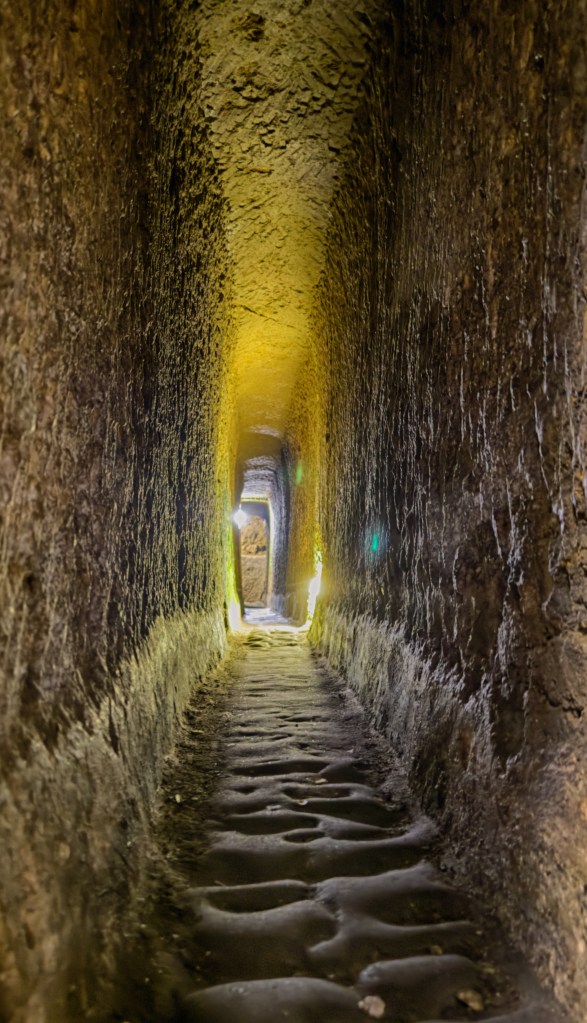
The result was never one enormous tunnel system constructed according to a single plan. Instead, Naples developed a patchwork of underground spaces created at different times and for different purposes. Some were ancient quarries, others were water channels or cisterns, while still more were associated with burial, drainage, military engineering or later construction. Together they formed a hidden landscape that mirrored the complicated history of the city above.
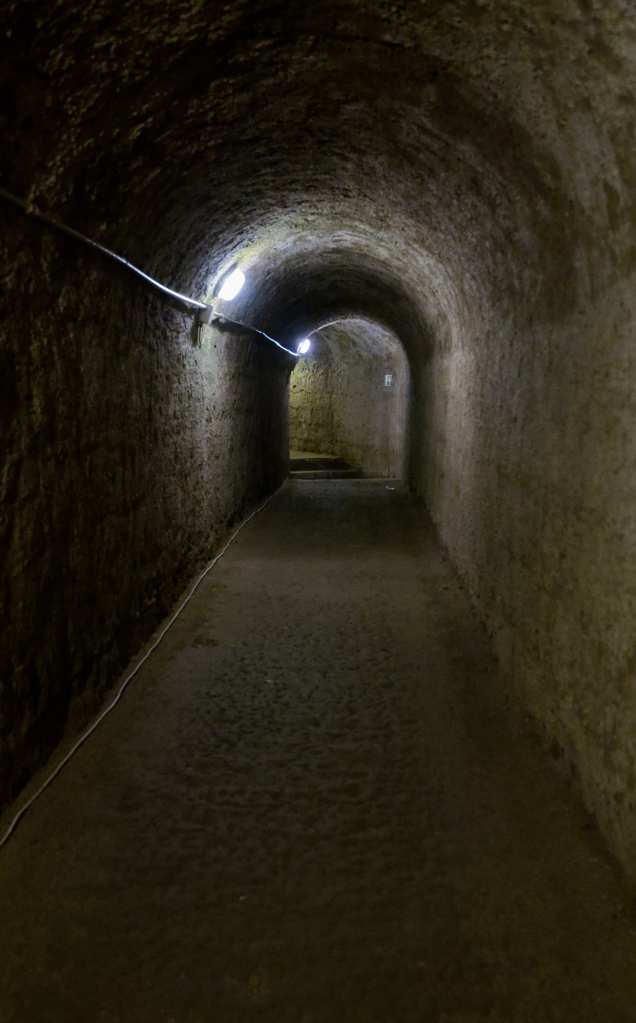
The result was never one enormous tunnel system constructed according to a single plan. Instead, Naples developed a patchwork of underground spaces created at different times and for different purposes. Some were ancient quarries, others were water channels or cisterns, while still more were associated with burial, drainage, military engineering or later construction. Together they formed a hidden landscape that mirrored the complicated history of the city above.
By the nineteenth century, however, the old water system was beginning to disappear from everyday life. Modern water infrastructure gradually replaced many of the ancient arrangements, particularly as Naples confronted serious problems with sanitation and public health. Some underground reservoirs were abandoned, while others were sealed or simply fell out of use as newer systems took over.
For a time, the darkness beneath Naples became less important. Then the twentieth century brought a new reason to go underground.
When Italy entered the Second World War, Naples became an important strategic target. Its port, railway connections, industrial facilities and military significance made it vulnerable to Allied bombing. As the war intensified, the people of Naples faced repeated air raids, and the city needed somewhere capable of protecting large numbers of civilians.
The answer was already beneath their feet.
The abandoned quarries, cisterns and sections of the old water network could be adapted into air-raid shelters. Rather than constructing enormous shelters entirely from scratch, the city could make use of spaces that had been excavated centuries earlier. The volcanic rock provided a substantial natural barrier, while existing chambers offered room for large numbers of people.
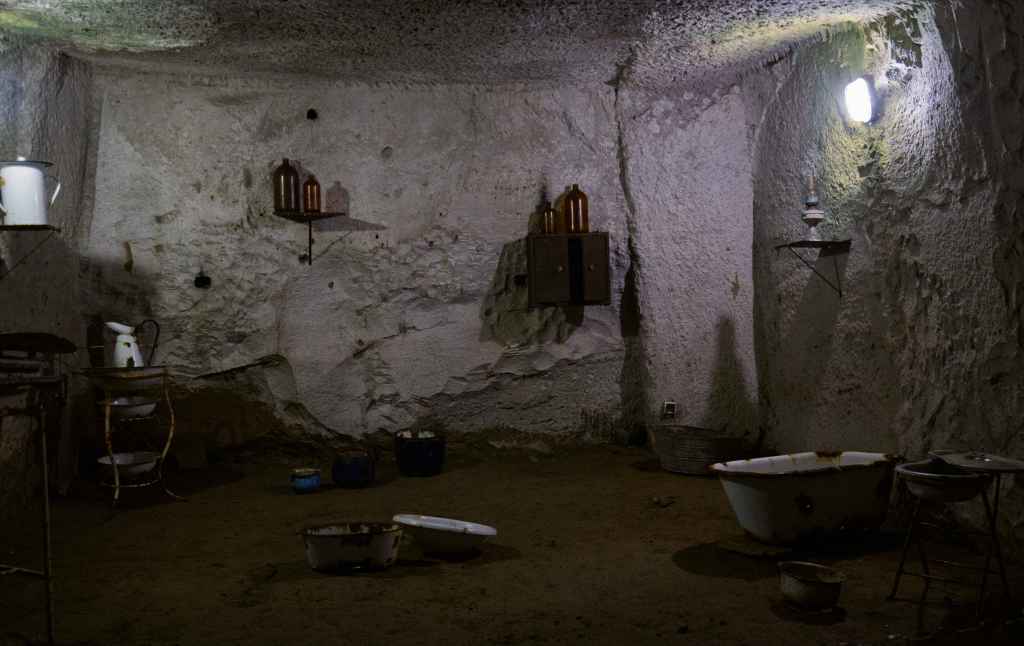
The transformation was not simply a matter of putting a door across an old tunnel. Many of the underground spaces had to be modified before they could function as shelters. Entrances were improved, stairways were installed or altered, lighting was added and sanitary facilities were provided. Some spaces were whitewashed, both to improve visibility and to make the dark chambers feel somewhat less oppressive.
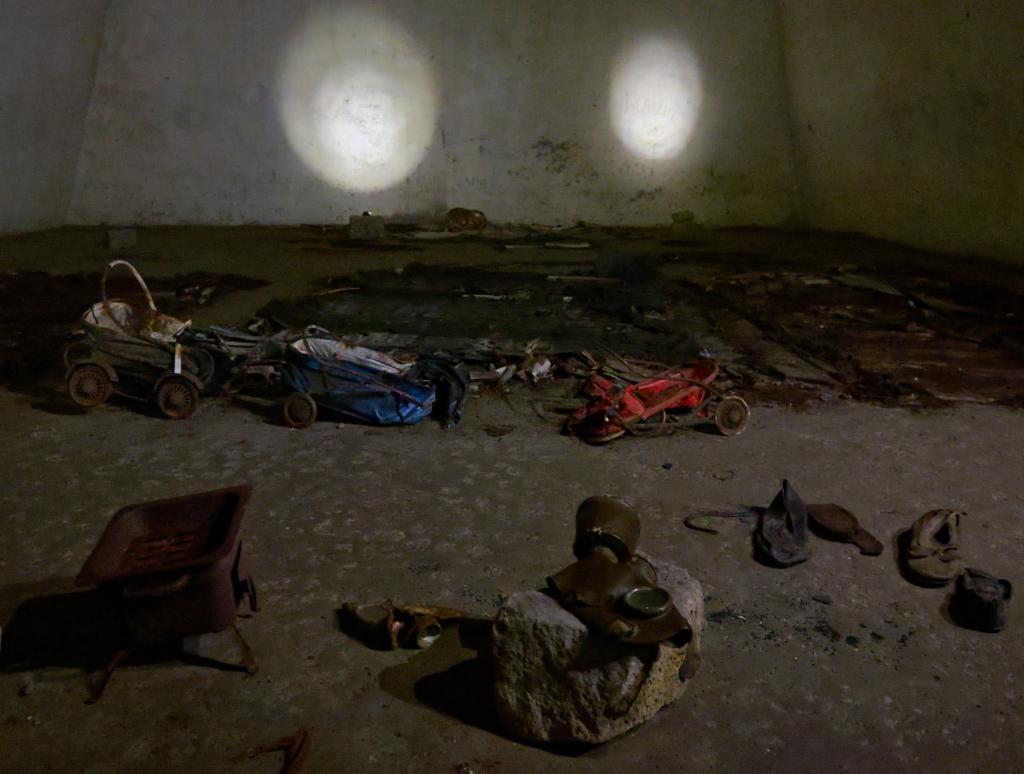
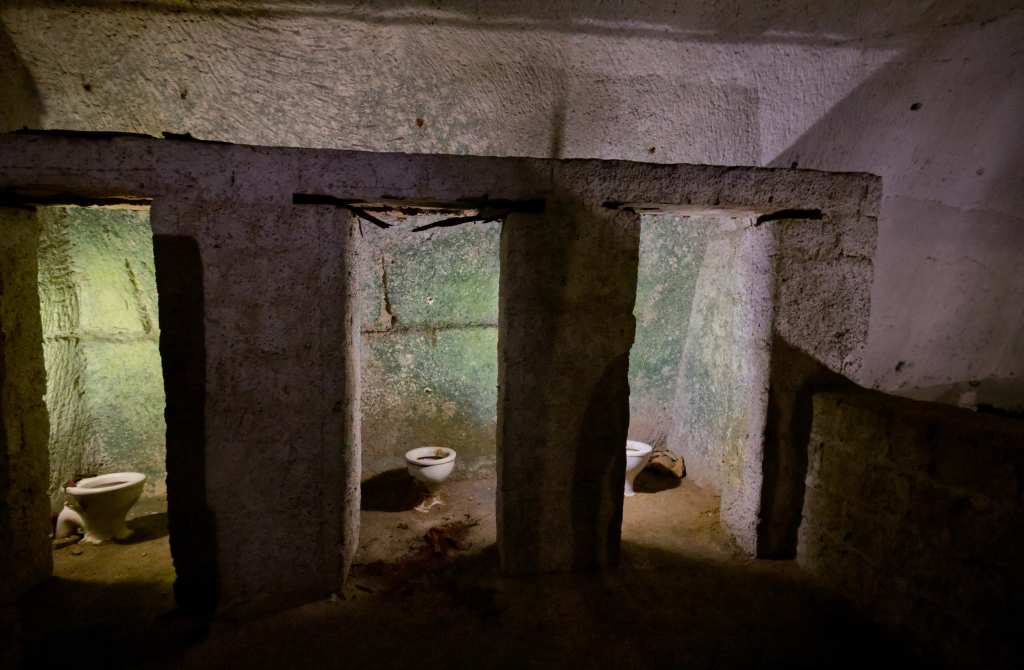
When the air-raid sirens sounded, people descended from the streets into this forgotten city beneath them. Families brought whatever they could carry, and the underground chambers became temporary living spaces. People sat together, waited together and listened to the explosions passing through the rock above them. The ordinary boundaries of neighbourhood and social life changed as people who might rarely have spoken to one another above ground found themselves sharing the same shelter.
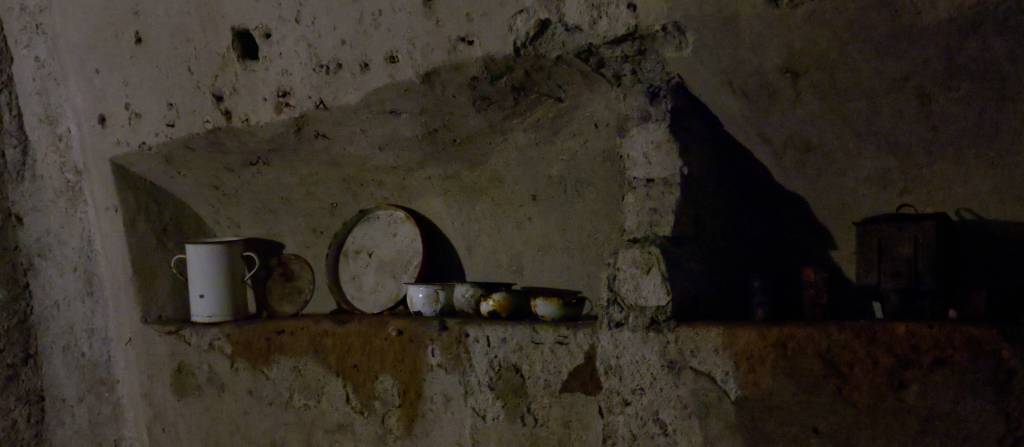
The scale of this wartime transformation was considerable. Hundreds of underground locations across Naples were used or adapted for civilian protection, and the old subterranean network became an essential part of the city’s survival during the bombing. Places that had once been designed to store water were now filled with people waiting for the danger overhead to pass.
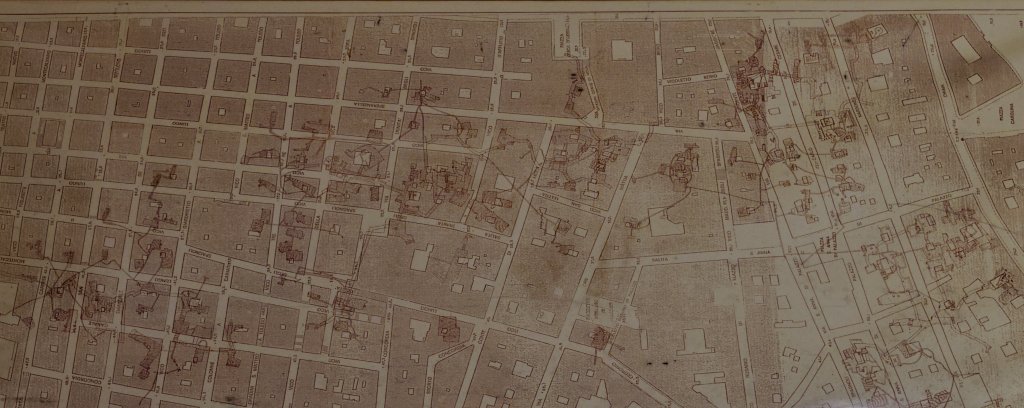
The experience must have been unsettling in a way that is difficult to appreciate today. Underground, there was no view of the sky and no way to see what was happening above. The walls absorbed some of the sound, while other vibrations travelled through the rock. People could hear the bombing without being able to see where it was happening, leaving them dependent on the shelter and the people around them.
The old stone walls therefore acquired a completely different meaning. They had once protected water from contamination and provided storage for a growing city. Now they offered protection from bombs. A chamber that had been carved out to serve the practical needs of everyday life had become a place where families waited to see whether their homes would still be standing when they returned to the surface.
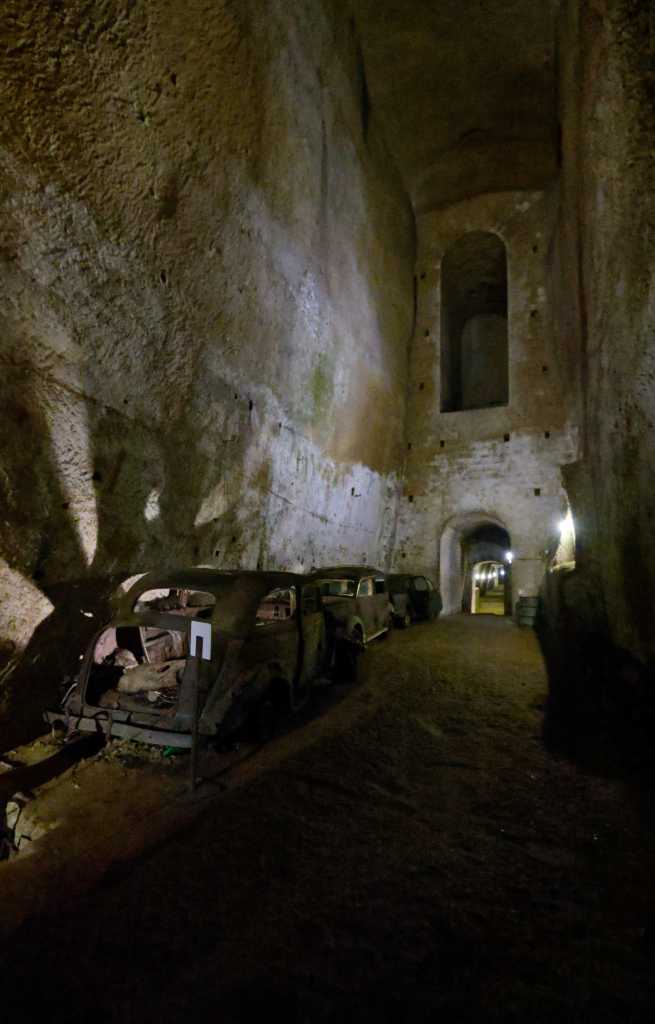
The wartime shelters also reveal something that conventional military history can sometimes overlook. The Second World War was not experienced by Neapolitans simply as a sequence of battles and military movements. It was experienced in homes, streets and underground chambers. It was experienced by families waiting for the sirens to stop, by children sleeping in shelters and by people returning to the surface to discover that familiar parts of their city had been damaged or destroyed.
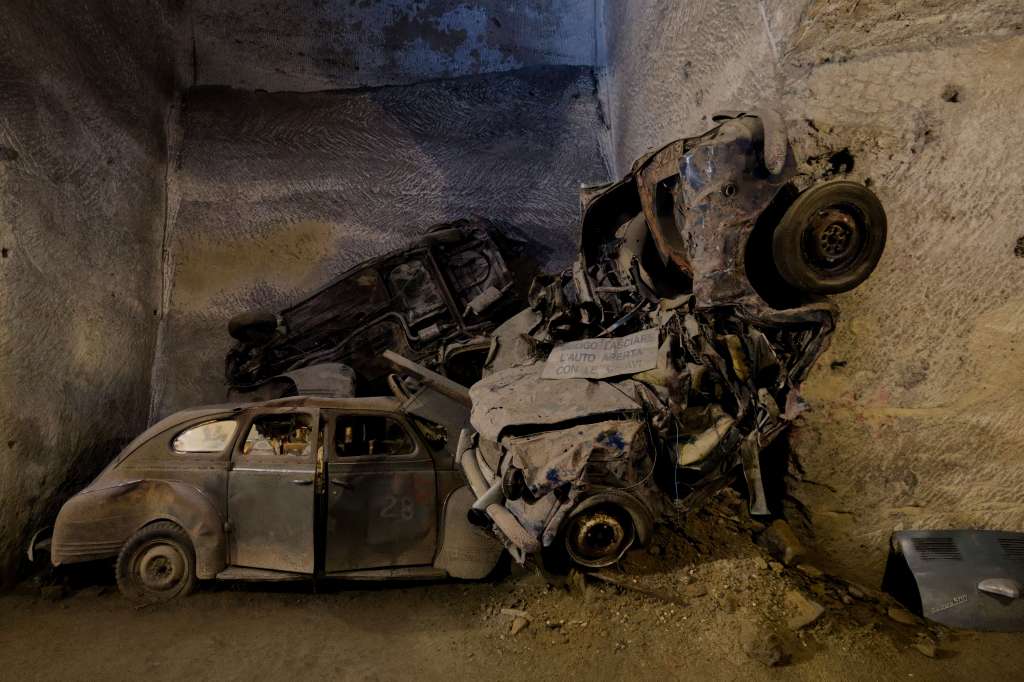
The shelters became temporary communities. People brought food, blankets and personal possessions. Makeshift sleeping areas appeared, and spaces that had once been completely empty acquired the signs of everyday life. In some locations, walls were marked with names, drawings and other traces left by those who spent hours or days underground.
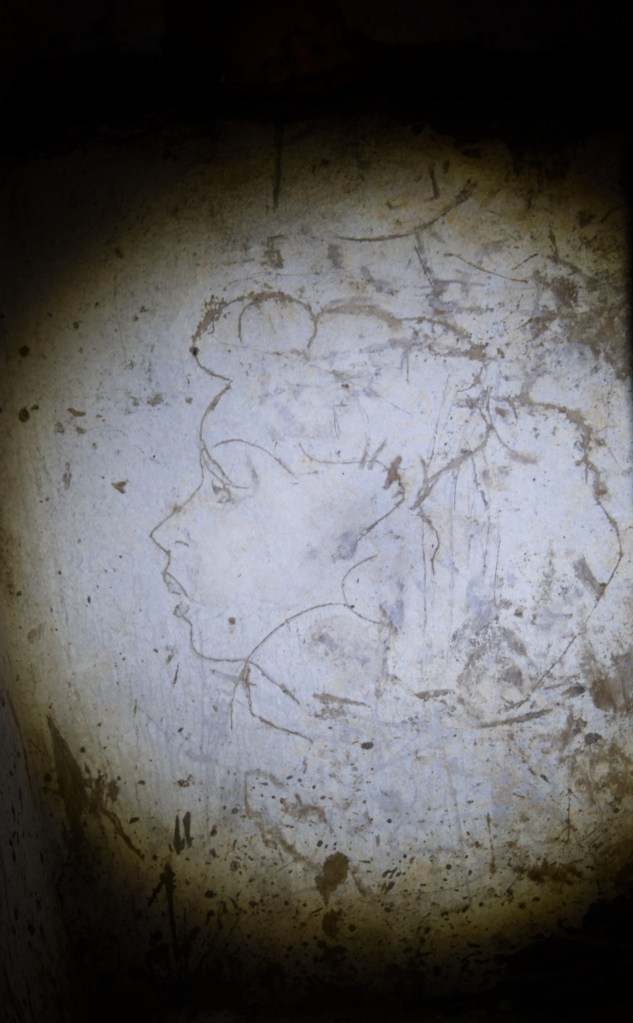
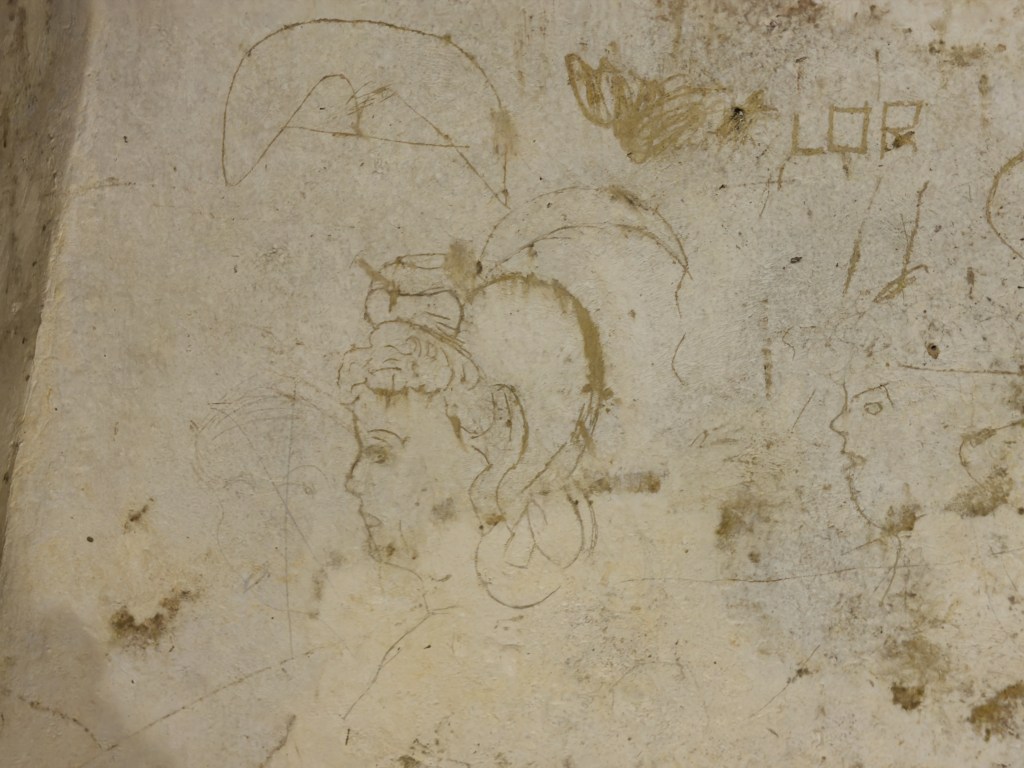
These small human details can be more powerful than the larger military story. A military map can show where an attack occurred, while an object left behind can reveal what it felt like to wait for that attack to end. A name written on a wall tells us that somebody sat there. A child’s drawing tells us that even in the middle of a war, children still found ways to occupy themselves.
That is one of the qualities that makes Naples’ underground spaces so compelling. They do not separate history neatly into periods. The Roman water system does not end when the modern city begins. The military tunnel does not stop being part of Naples when it becomes a wartime shelter. The war itself did not erase the older spaces. Instead, it temporarily gave them another purpose.
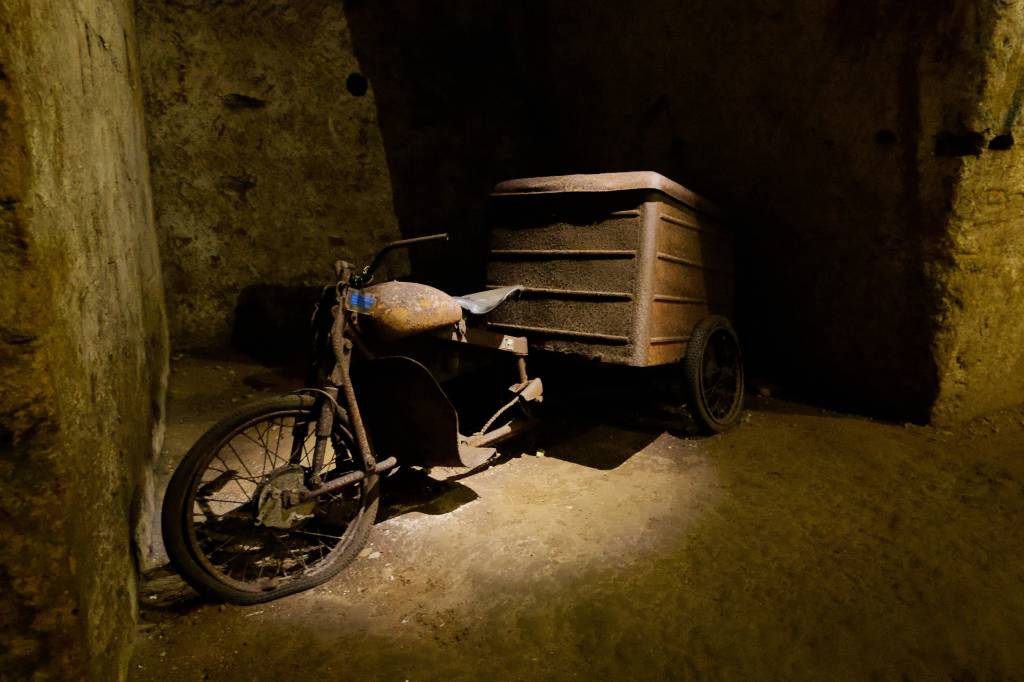
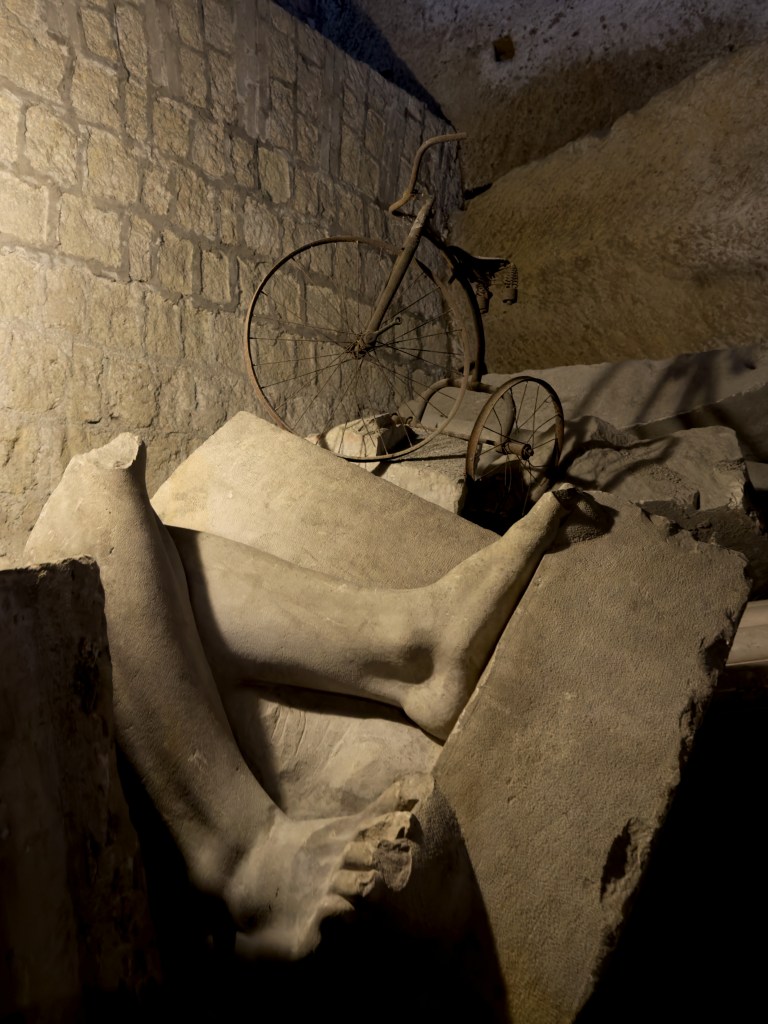
After the war, the city returned to the enormous task of rebuilding. The underground shelters gradually lost their importance as the immediate threat disappeared. Some were abandoned once again, while others became storage spaces or were sealed off. Naples continued to grow above them, and for many people the hidden city became something they knew existed without ever seeing.
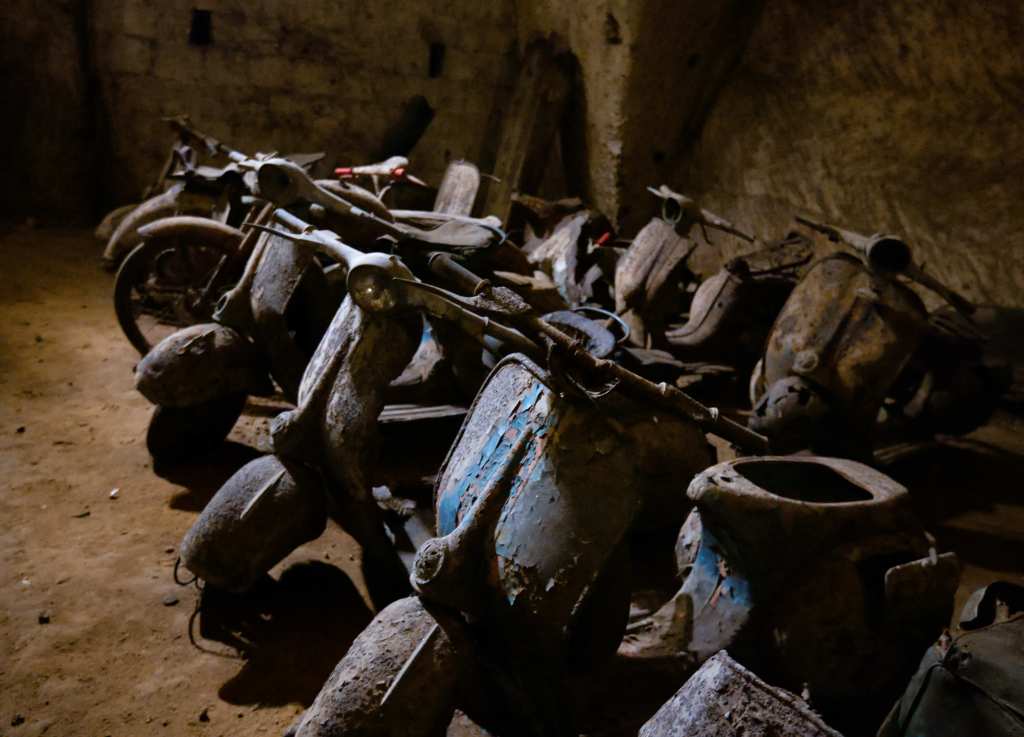
Eventually, parts of the underground began to receive renewed attention. Archaeologists, historians and local organisations worked to preserve and open sections that had previously been inaccessible. What had once been essential infrastructure and wartime refuge became a way of understanding the city’s past.
Today, visitors can descend beneath the historic centre and see sections of the ancient water network, enormous cisterns, quarry chambers and passages that once formed part of Naples’ hidden infrastructure. The experience can be almost startling after the noise of the streets above. The temperature drops, the light fades and the city suddenly feels very far away. The deeper the visitor goes, the more difficult it becomes to think of Naples simply as the city seen from the street. The foundations reveal another story, one in which every generation seems to have found a new purpose for the spaces left by the previous one.
Water was the beginning of much of this story, but it was never the end of it. The underground world grew from the practical needs of an ancient city and was repeatedly reshaped as Naples changed. What began as a source of building stone became a network for water. Water reservoirs became forgotten caverns. Forgotten caverns became shelters. Elsewhere, military passages became wartime refuges, while purpose-built bunkers appeared in the landscape around the city.
The history is therefore not really about tunnels alone. It is about adaptation.
Naples repeatedly found itself with a resource beneath the surface and a new problem above it. The volcanic rock provided building material. The excavations provided space. The underground water system provided security in a city that depended upon a reliable supply. Centuries later, the same rock provided a measure of protection when the skies became dangerous.
There is something quietly remarkable about that continuity. The people who descended into the shelters during the Second World War were entering spaces created by people who lived many centuries earlier. They may have known little about the original purpose of the chambers around them, yet they were relying on the same physical qualities that had made those spaces useful in the first place.
The rock endured while the reasons for using it changed.
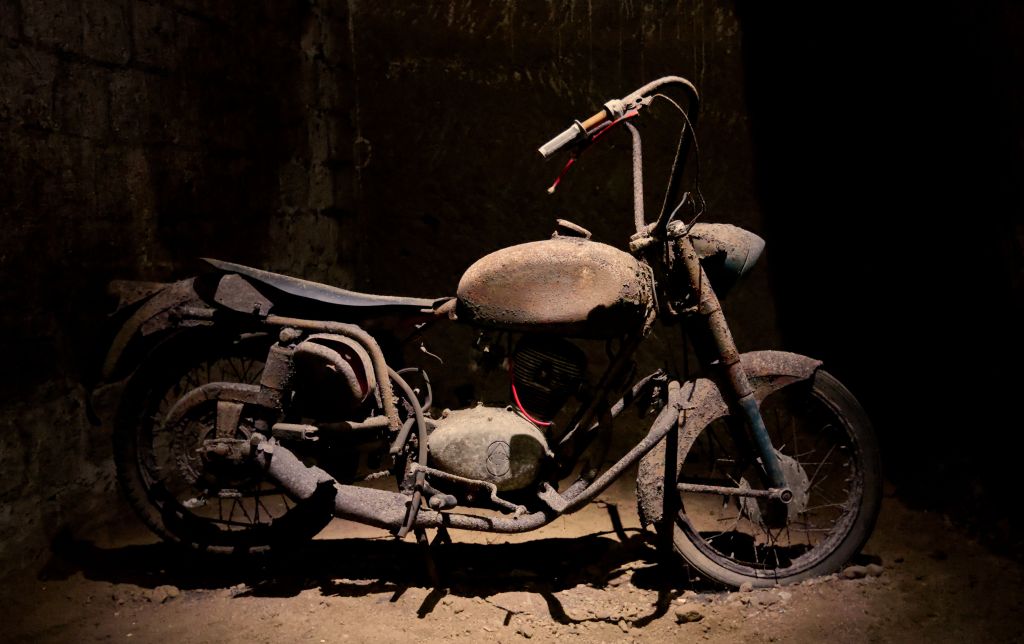
That is perhaps what makes the underground of Naples feel so different from a conventional historic site. It is not simply a preserved fragment of the past. It is a physical record of how the city adapted to changing circumstances. The layers remain close together, sometimes only a few metres apart, and occasionally occupying the very same chamber.
Above ground, Naples can feel intensely alive. The streets are crowded, the traffic is relentless and the city seems to have little interest in standing still. Below ground, the atmosphere changes completely. The noise is replaced by silence, the sunlight disappears and the rough walls reveal themselves as the oldest part of the city.
The city changed.
The tunnels remained.
And in the darkness beneath Naples, the history of both can still be found.


Leave a comment