
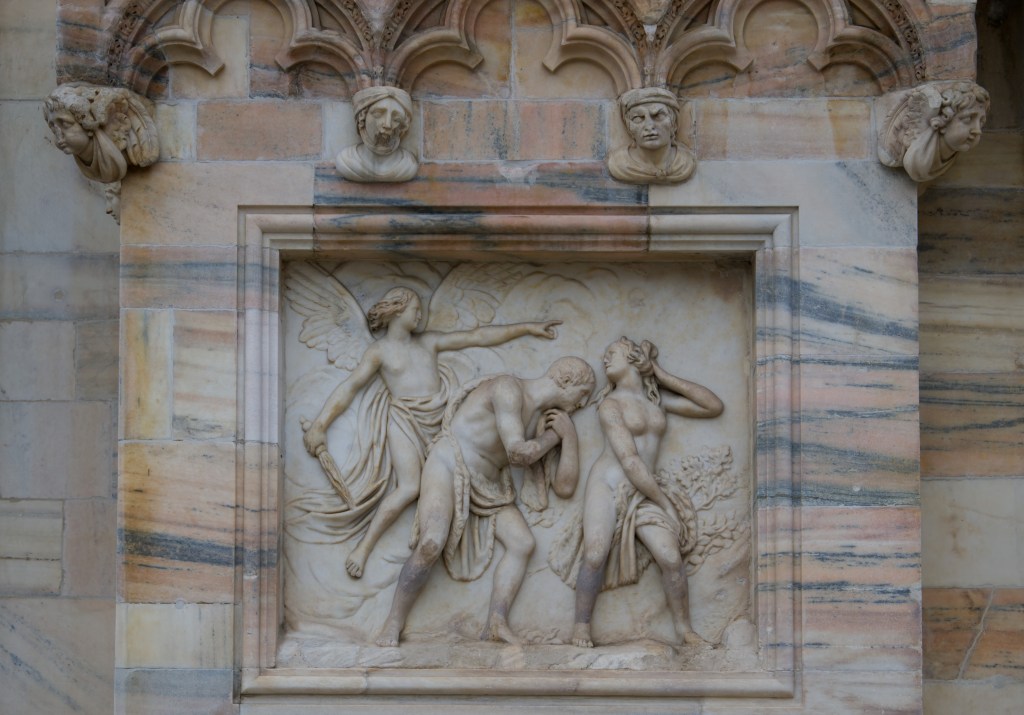
Medieval and Renaissance art is often admired for its extraordinary beauty, from gilded religious panels and elaborate church carvings to lifelike sculptures and richly coloured paintings. Yet beneath the gold leaf, delicate decoration and remarkable craftsmanship lies a darker world of executions, torture, mutilation and death. Severed heads appear in the hands of saints, bodies are pierced by weapons, and scenes of public punishment unfold with startling detail. These subjects were not hidden away from public view but displayed in churches, chapels and civic spaces, where generations encountered them as part of the visual landscape of everyday life.
Violence was an important element of medieval and Renaissance art, serving religious, moral and political purposes. Biblical stories provided accounts of betrayal, murder and divine punishment, while the lives of Christian martyrs offered narratives of persecution and extraordinary suffering. Such images were intended to communicate ideas about faith, justice, sacrifice and salvation. Their beauty could encourage devotion, but their disturbing details made the consequences of sin, the cruelty of persecutors and the strength of religious conviction impossible to ignore.
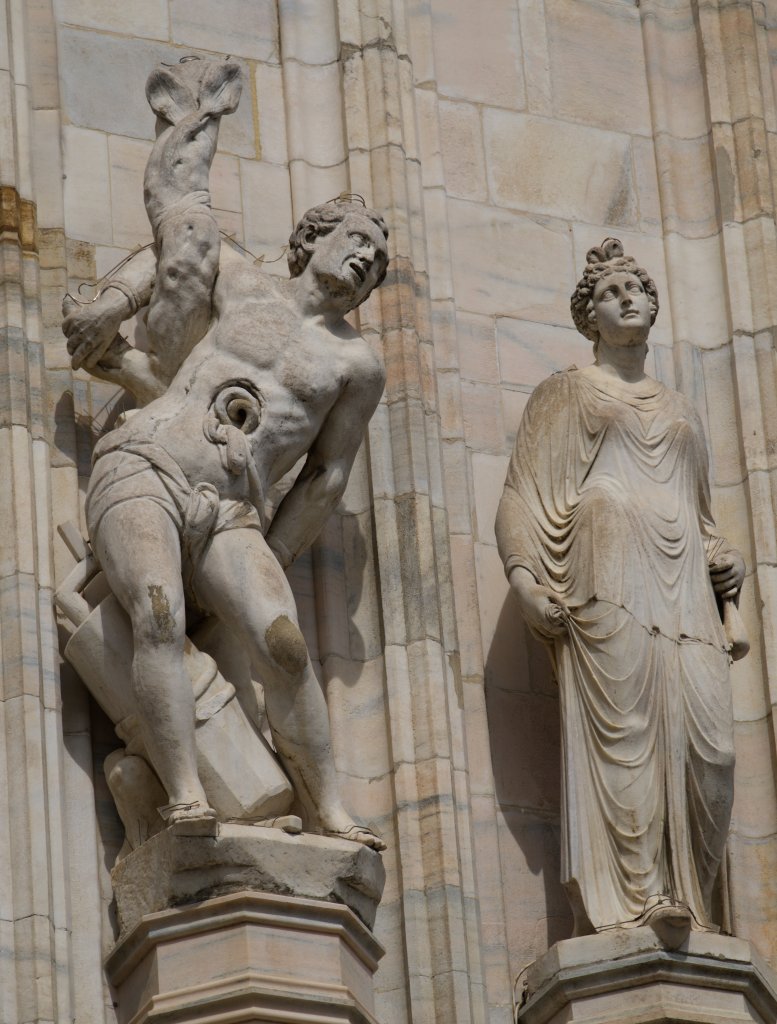
During the medieval period, religious art helped communicate Christian teachings through images that could be understood by people with varying levels of literacy. Paintings, sculptures, stained glass and carved reliefs brought sacred stories into public view, presenting lessons about good and evil, temptation and redemption. The visual language could be direct and uncompromising, particularly when illustrating the punishment of sinners or the suffering awaiting souls condemned to hell.

The graphic imagery also appeared on church portals, capitals and other architectural features. Figures carved into stone might be shown being attacked, punished or dragged towards damnation, becoming permanent parts of the buildings around them. Worshippers and visitors encountered these scenes as they entered sacred spaces, where the images reinforced religious teaching through repetition. The suffering was not merely decorative storytelling; it formed part of a broader visual explanation of how the world was believed to function.
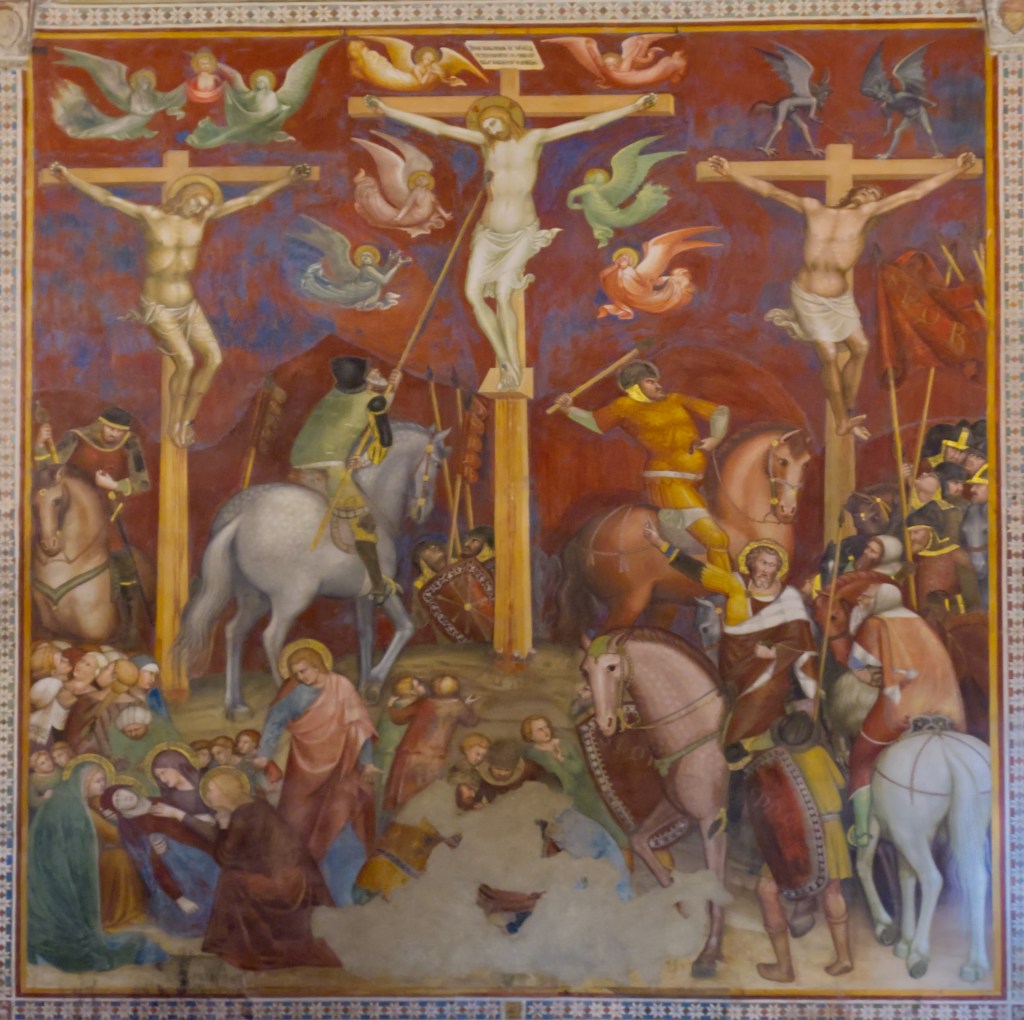
The representation of violence varied across the medieval and Renaissance periods. Some works simplified the human figure and relied on familiar symbols, while others presented wounds, weapons and expressions of anguish with increasing realism. In both cases, the purpose extended beyond depicting a terrible event. The arrangement of the figures, the identity of the victim and the presence of witnesses helped establish whether the violence represented injustice, punishment, sacrifice or spiritual triumph.
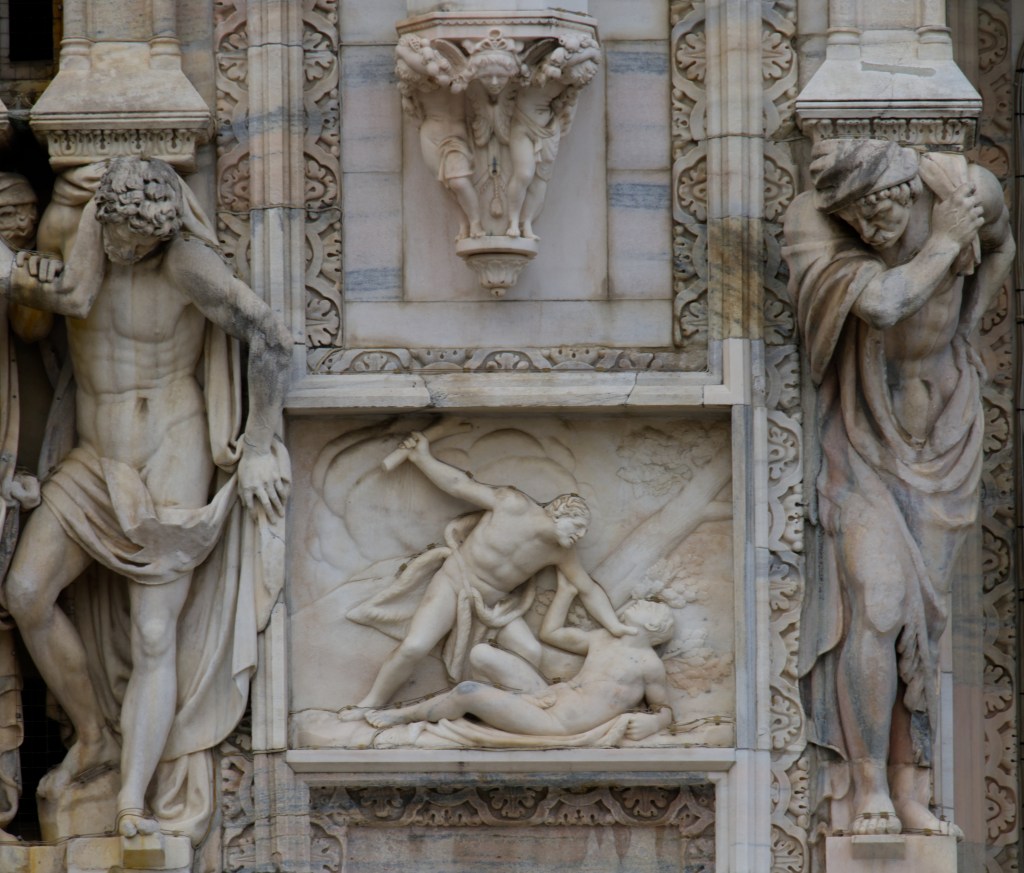
Church portals and stone carvings could be especially unsettling because their subjects occupied permanent places within the architecture. A visitor entering a church might pass beneath scenes of judgement, punishment or the torments awaiting the wicked. These images were not separated from daily life by the distance of a museum display. They were part of the buildings themselves, encountered by worshippers, travellers and townspeople over centuries, their messages reinforced through repetition.
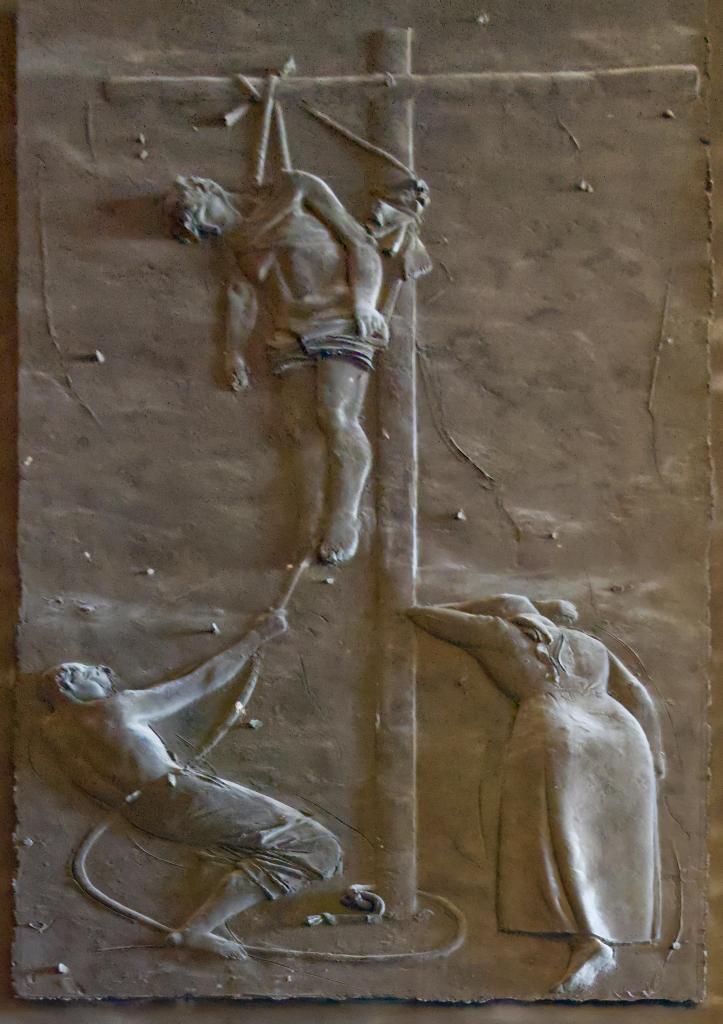
Execution was a familiar feature of medieval and Renaissance society, and its methods appeared repeatedly in religious imagery. Beheading, hanging, burning and other forms of punishment were used in both secular and sacred narratives. Artists drew upon these practices to illustrate biblical events, political wrongdoing and the deaths of revered religious figures.
Hanging also carried strong moral associations. Depictions of a betrayer’s death could present the suspended body as a warning about guilt, despair and spiritual condemnation. The simplicity of the image made its message difficult to miss, while its placement within a larger religious narrative shaped how the viewer was expected to interpret the death.
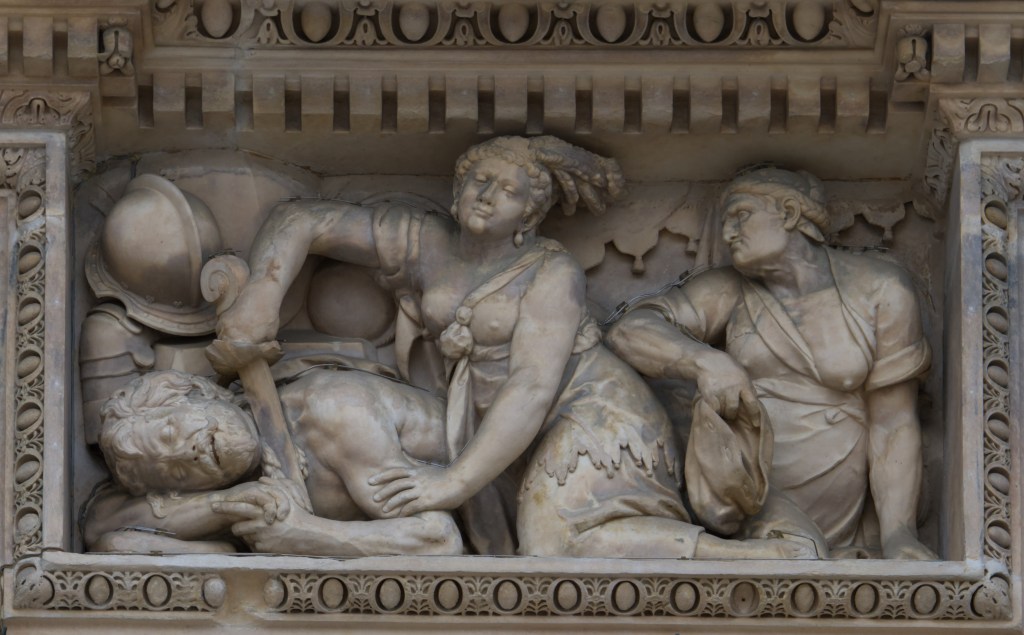
Beheading was particularly recognisable because the severed head could become a powerful visual symbol. It might be displayed on a platter, held by the hair or placed beside a lifeless body, leaving little doubt about what had occurred. In some images, the act of killing was shown directly, with the executioner raising a weapon or the victim struggling to escape. Other compositions focused on the aftermath, allowing the severed head or bloodied blade to communicate the violence without depicting every moment.
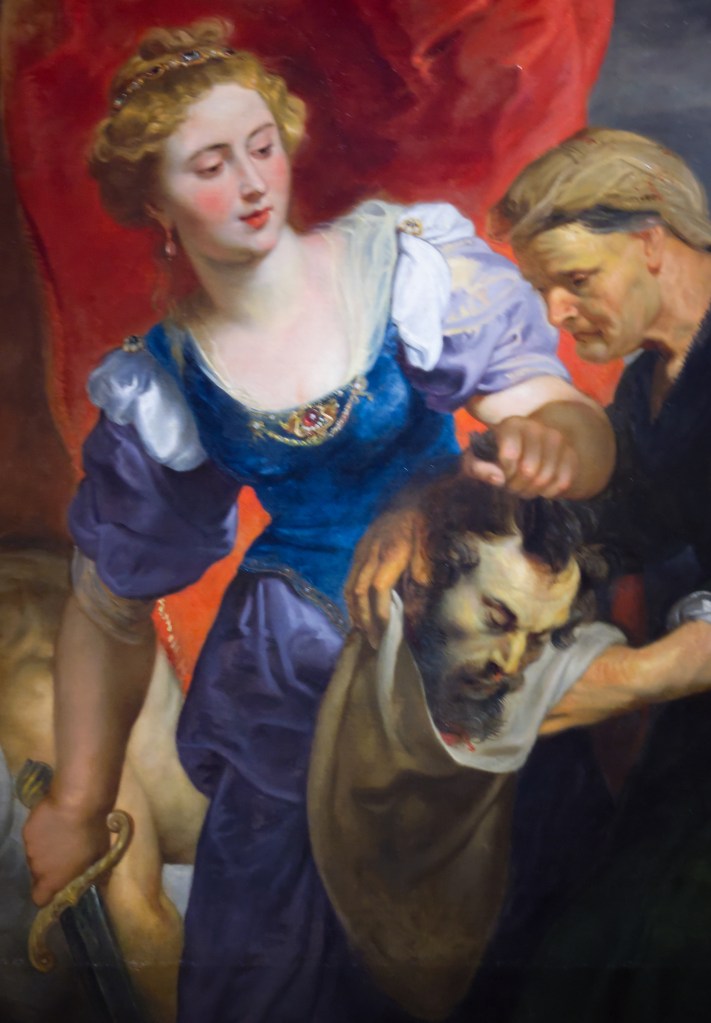
These scenes were not neutral records of historical events. They were carefully constructed images in which gestures, expressions and objects helped communicate moral meaning. The same act of violence could be presented as a cruel injustice, a deserved punishment or a demonstration of faith, depending on the identity of the victim and the story surrounding the event.
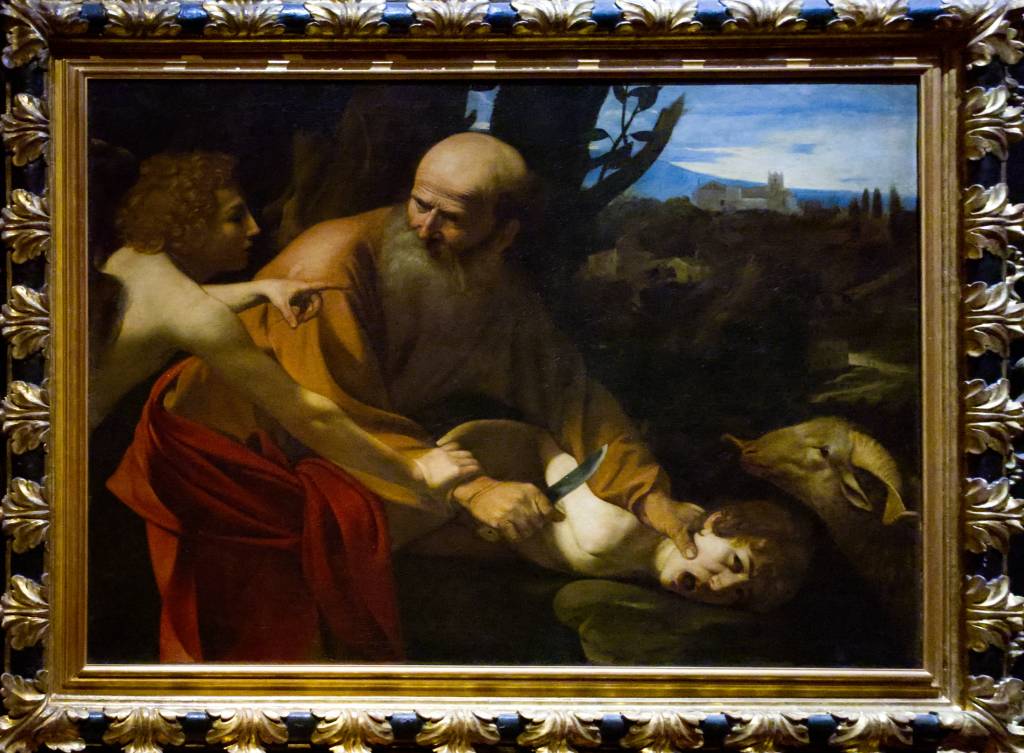
Scenes of biblical killing brought themes of betrayal, retribution and sacrifice into religious art, often depicting the moment when an act of brutality changed the course of a story. Such images could be unsettling in their directness, showing the human body caught between aggression and helplessness. Through carefully composed figures, expressive gestures and vivid details, artists explored the darker aspects of human nature while placing these acts within wider narratives of faith, morality and justice.
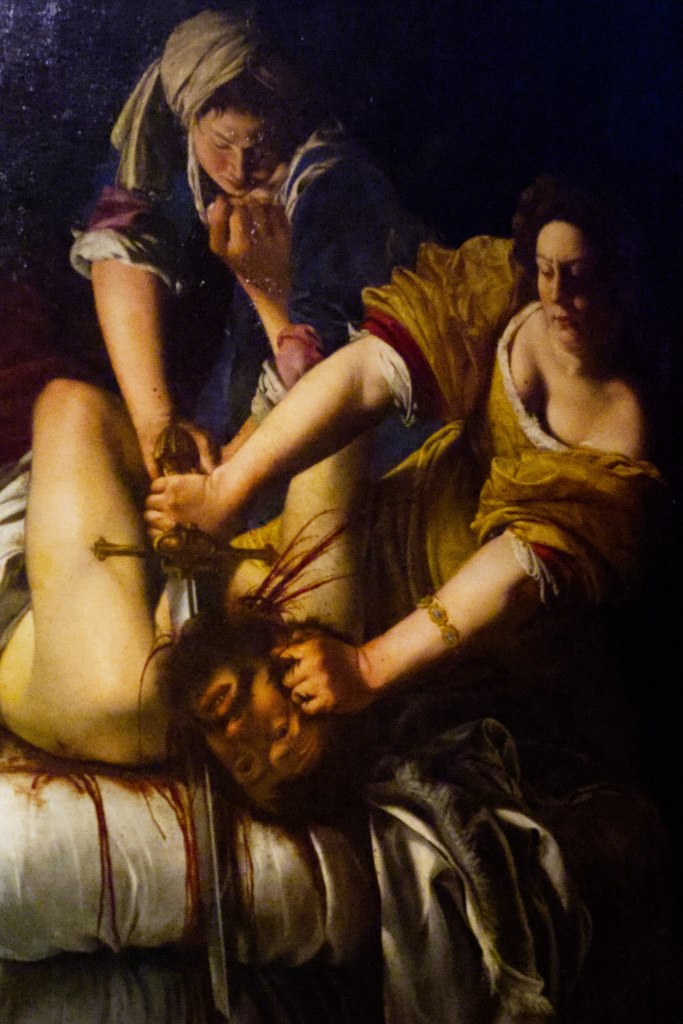
Among the most disturbing subjects in medieval and Renaissance art were the deaths of Christian martyrs. Their stories described persecution by rulers and authorities who demanded that they abandon their beliefs. According to religious tradition, many refused, accepting terrible suffering rather than renouncing their faith. Their deaths became central to their identities, and the instruments used to torture or execute them were transformed into enduring religious symbols.
Some martyrs were depicted tied to posts and pierced by arrows, their bodies exposed and wounded while their expressions remained calm or distant. Others were shown being burned, restrained or subjected to mutilation. The contrast between visible physical suffering and an apparently unbroken spirit reinforced the belief that faith could withstand even the most extreme cruelty.
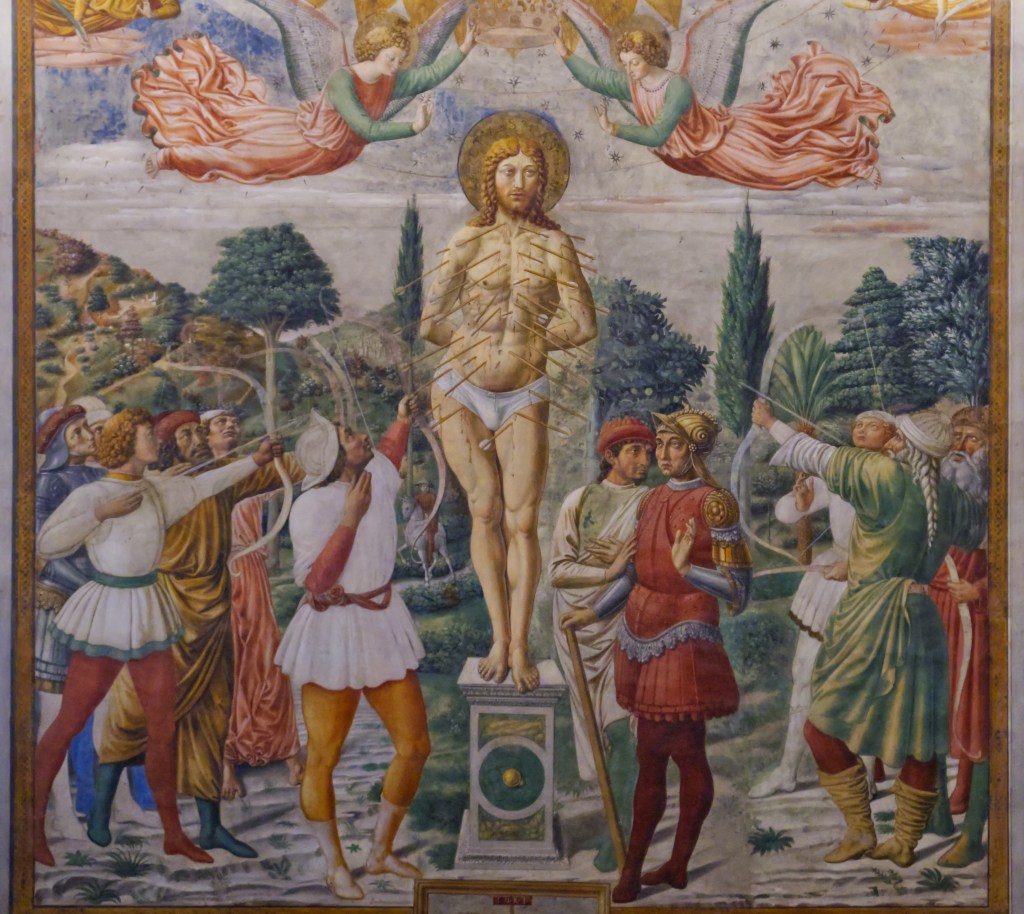
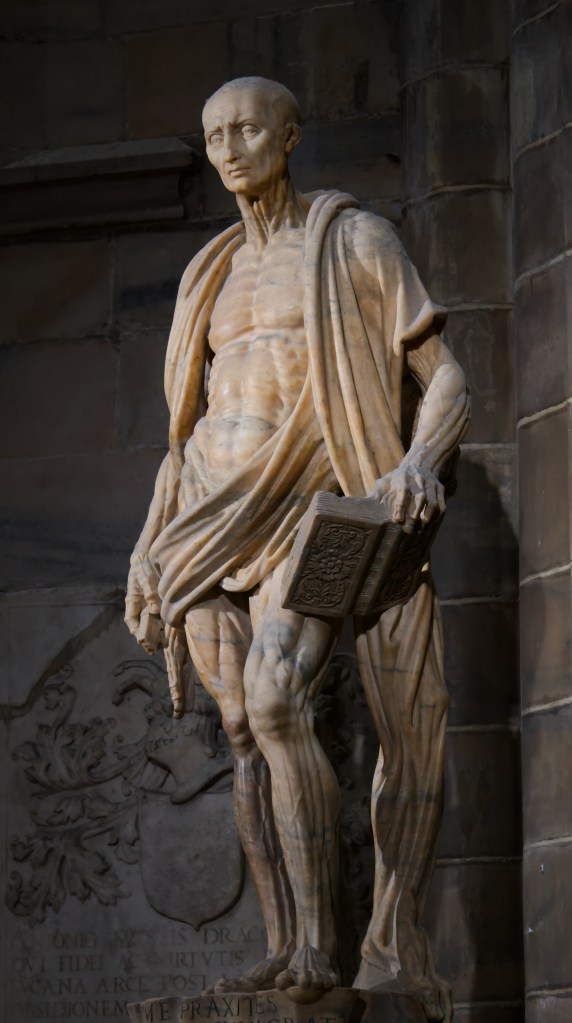
Renaissance artists developed an increasingly sophisticated interest in anatomy, movement and the expressive possibilities of the human body. This made scenes of martyrdom more physically convincing, with carefully rendered muscles, strained limbs and contorted postures. The skill involved in depicting the body could be extraordinary, even when the subject was a person enduring torture or approaching death.
Sculpture brought a further intensity to these subjects. Carved figures occupied real space, and the play of light across their surfaces emphasised wounds, tension and physical form. A bound body or severed head could appear almost tangible, inviting admiration for the artist’s technique while confronting the viewer with the violence being represented.
Yet martyrs were not always shown as broken or terrified. Many appear composed, their faces serene despite the brutality surrounding them. This idealisation was central to their religious significance. The body could be injured or destroyed, but the martyr’s spiritual conviction remained intact. The image therefore presented two realities at once: the terrible vulnerability of the human body and the triumph of faith over persecution.
Not all violent imagery concerned martyrdom. Medieval and Renaissance art also depicted murder, betrayal, revenge and the abuse of political power. Biblical stories provided scenes of families destroyed by jealousy, rulers ordering the deaths of innocents and individuals using violence to achieve their ambitions. These narratives offered opportunities to explore the relationship between authority and morality.
Scenes involving a number of people could be particularly harrowing, showing soldiers attacking vulnerable victims while families attempted to protect one another. Such compositions made the consequences of unchecked power visible, presenting violence not as an abstract idea but as an event experienced by individual bodies. The expressions and gestures of those involved helped distinguish the aggressors from the victims and communicated the emotional cost of cruelty.
The darker subjects of medieval and Renaissance art complicate the familiar image of these periods as ages of religious splendour and artistic achievement. Their paintings, sculptures and carvings preserve a visual world in which execution, mutilation and torture existed alongside elaborate decoration and remarkable technical skill. These works were shaped by the religious beliefs and social values of their time, yet their physical details remain powerful long after their original meanings have become less familiar.
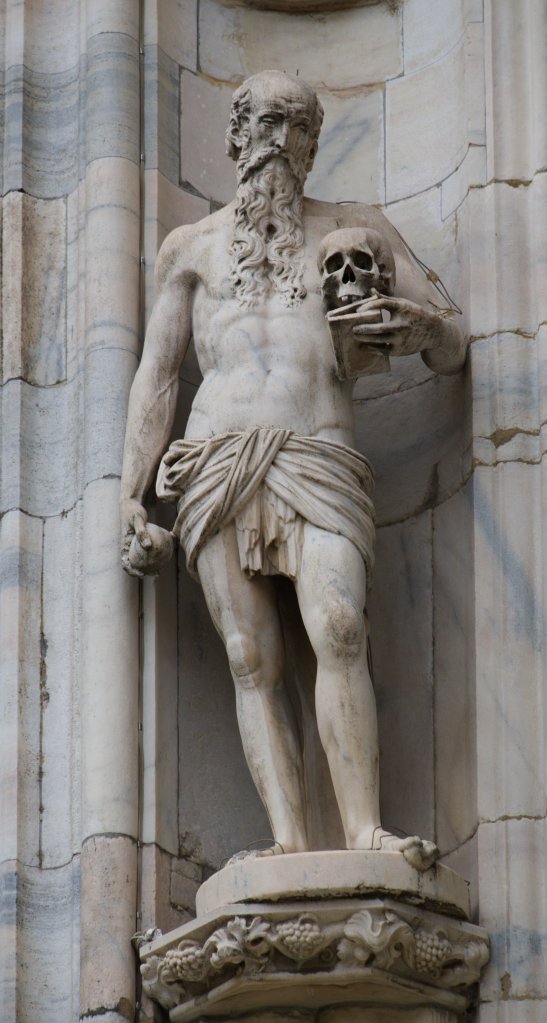
Understanding the symbolism reveals how much information could be carried by a single object or gesture. A palm branch may indicate martyrdom, a wheel may recall an attempted execution, and a severed head may identify a saint whose death became central to religious devotion. Behind each symbol lies a story in which the body becomes the site of punishment, sacrifice or resistance.
There is an enduring contradiction in the way these subjects are presented. Months of careful work might be devoted to depicting a brutal death, refining the folds of a garment, the expression on a face or the shape of a weapon. The finished image can be graceful and technically astonishing while remaining deeply disturbing. Its beauty does not erase the violence; instead, it makes the encounter more complicated.
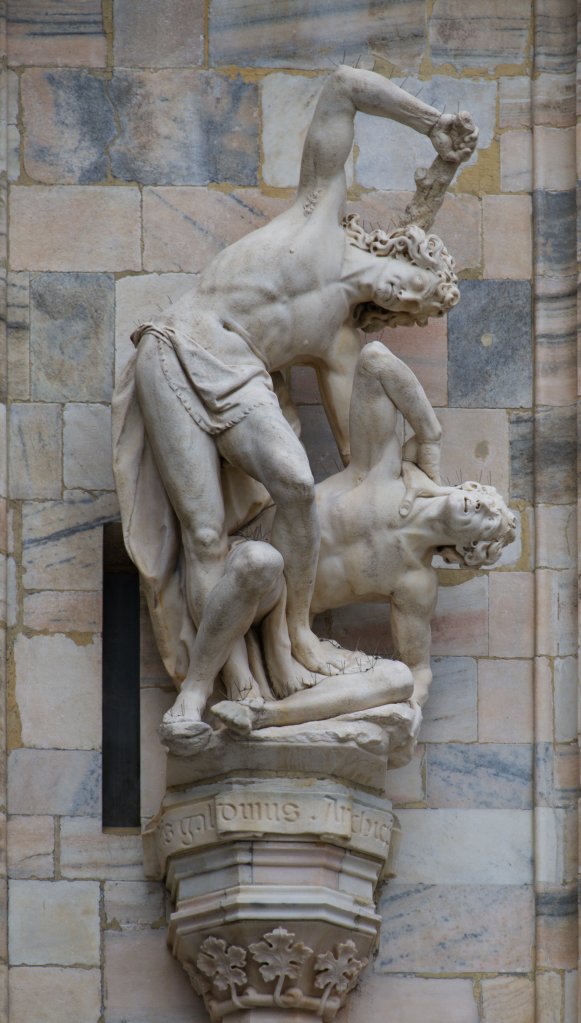
Looking beyond the surface reveals an artistic tradition that was concerned not only with faith and beauty but also with fear, suffering, authority and death. The most unsettling images are sometimes those that initially appear serene, their darker histories concealed within the objects held by a saint or the carefully arranged figures of a religious scene. Once those details become clear, the splendour of medieval and Renaissance art takes on another dimension, exposing some of the brutal stories that have always existed beneath its beautiful surface.


Leave a Reply